Dog Socialization Importance Tips for a More Sociable Pet

The Importance of Dog Socialization
Socialization is a crucial aspect of a dog’s development, significantly influencing their behavior and temperament. A well-socialized dog is not only more enjoyable to be around but also adapts better to new environments and experiences. This factor contributes to a happier and healthier life for your pet and fosters better relationships with humans and other animals.
Why Socialization Matters
- Reduces Anxiety: Proper socialization helps alleviate fears and anxieties in dogs, making them less prone to aggression or shyness.
- Enhances Behavior: Dogs exposed to various environments and encounters are more likely to exhibit positive behaviors.
- Improves Interactions: Sociable dogs are typically better at meeting new friends, whether canine or human, leading to enriched lives.
Despite its importance, many dog owners may struggle with how to effectively socialize their pets. This article offers a comprehensive ranking of the “Top 5” essential tips to guide you in helping your dog become more approachable and well-rounded.
Top 5: The Importance of Dog Socialization: How to Help Your Pet Become More Sociable
Dog socialization is a fundamental part of responsible pet ownership, providing numerous benefits that contribute to the overall well-being of our canine companions. Understanding the importance of socialization can guide pet owners in nurturing a happier, healthier, and more well-adjusted pet. Delve into these top five essential points about the significance of canine socialization and discover effective methods to help your dog become more sociable.
5. Socialization Prevents Behavioral Issues
Behavioral problems like aggression, anxiety, and excessive barking are common in dogs that have not been properly socialized. These issues often stem from fearfulness or a lack of exposure to different stimuli. By offering your dog varied experiences with different environments, people, and animals, you significantly decrease the probability of undesirable behaviors. Such exposure helps dogs adapt to unfamiliar situations calmly, reducing the risk of fear-based reactions that could lead to difficult and entrenched behavior patterns.
Consider, for instance, the case of a dog that encounters loud noises for the first time. Without prior exposure, they might respond with fear, attempting to flee or displaying signs of stress. However, a dog that has been gradually introduced to different sounds and situations will likely react more calmly, having learned that these are non-threatening experiences. Moreover, socialization helps pets in distinguishing between threats and non-threats, providing a safer environment for everyone involved, including other pets and humans.
4. Builds Confidence
Confidence is not just for people; it’s essential for dogs too. Dogs that are socialized from an early age possess the ability to navigate new environments with poise and assurance. Such confidence mitigates anxiety and fearfulness, which in turn enhances their overall quality of life. Introducing your dog to a variety of situations, such as meeting new dogs or visiting busy parks, can positively affect their response mechanism to new odors, sights, and sounds.
To nurture this confidence, owners can focus on positive reinforcement—rewarding the dog with treats and praise during introductions to new situations. For example, if your dog appears hesitant to engage with other dogs at the park, patiently encouraging interaction while praising friendly behavior can result in increased assurance. This positive association teaches them that new experiences can be enjoyable, paving the way for a bolder and more sociable pet willing to engage with the world around them.
3. Enhances Learning and Training
The benefits of socialization extend into learning and training, shaping a dog’s ability to comprehend and retain commands and behaviors. Socialized dogs demonstrate improved focus and responsiveness, essential elements for successful training. Experiences with diverse interactions contribute to learning opportunities that are invaluable during obedience training, where distractions often test a dog’s attention.
Participating in obedience classes is an excellent method to socialize dogs, exposing them to structured environments where they can interact with both people and other dogs. This setting not only bolsters obedience by reinforcing desired behaviors amidst distractions, but it also emphasizes the importance of training in different contexts. As dogs learn to generalize behaviors across various environments, their adaptability and success in training improve vastly.
2. Encourages Healthy Exercise
Socialization is an intrinsic pathway to ensuring your dog receives sufficient physical activity. Engaging in play with other dogs not only keeps them physically fit but also provides mental stimulation. Playtime, whether it’s a lively game of fetch, friendly wrestling, or running around with peers, becomes a joyful exercise that keeps obesity at bay while expending excess energy.
Additionally, group activities such as dog sports or agility classes incorporate healthy competition, further motivating dogs to remain active. Such activities fortify a dog’s agility and reflexes, providing a fun and healthful pursuit that simultaneously fosters social skills. Whether it is a game of Frisbee or a structured class, these interactions are enriching for the dog, transforming exercise into an enjoyable and integral part of their routine.
1. Strengthens the Bond Between You and Your Pet
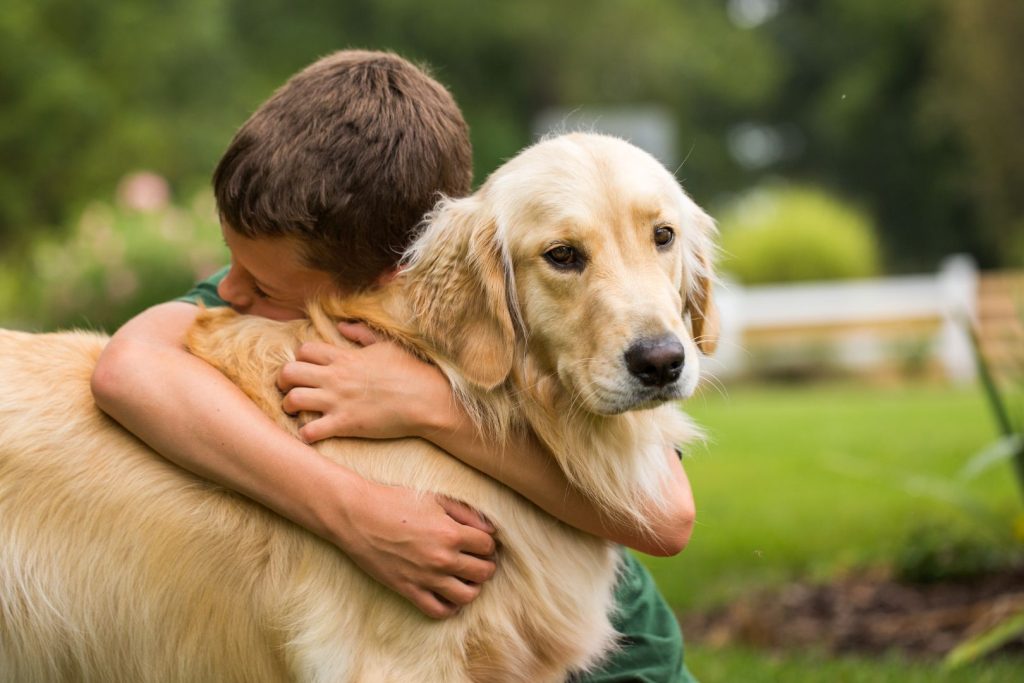
At the heart of the socialization process is the deepening of the bond between you and your dog. By facilitating positive social interactions, you position yourself as a reliable source of guidance and safety. This trust cements a relationship enriched by mutual respect and affection, creating a secure foundation for your pet’s interactions with the world.
Spending time socializing your dog fosters familiarity and trust, characteristics that are vital for a harmonious relationship. As a dog learns to navigate the social environment with you as a guide, the mutual reliance and understanding strengthen. You become their trusted partner, and this alliance ensures that they not only respond positively to you but also interact positively with the social world.
In conclusion, ensuring proper socialization plays an indispensable role in your dog’s development and well-being. From preventing behavioral issues to building confidence, enhancing learning, promoting healthful exercise, and fortifying the human-dog bond, the benefits of socializing your pet are extensive. Gradual and positive introductions to diverse environments and experiences are key to helping them thrive socially, resulting in a happier and more adjusted companion.
| Category | Description |
|---|---|
| Enhanced Behavior | By socializing dogs early, owners can expect better manners and reduced anxiety in various situations, leading to a more relaxed pet. |
| Improved Physical Health | Regular interactions with fellow dogs encourage physical exercise, which is essential in preventing obesity and promoting overall well-being. |
| Stronger Bond with Owner | Socialization outings provide opportunities for dogs to engage with their owners, strengthening the bond and improving training outcomes. |
| Emotional Well-being | Dogs that are well-socialized typically exhibit lower stress levels and are more adaptable, fostering a happier living environment. |
Beyond these advantages, it is worth noting that every dog is unique, and understanding their individual temperament can play a significant role in the socialization process. Some dogs may be naturally more reserved or may have had negative experiences that shape their behavior towards other animals and humans. This is where the owner’s patience and commitment come into play.Engaging in structured activities, such as obedience classes or playgroups, can be beneficial. These environments provide controlled settings in which nervous dogs can interact with others at their own pace, gradually building their confidence. Moreover, exposing dogs to varied scenarios—from bustling parks to calm libraries—can help ensure they are well-rounded individuals, comfortable in various environments.Utilizing positive reinforcement techniques during these interactions will also aid in making the experience rewarding for the dog. Simple treats, praise, or toys can motivate them to engage and learn appropriate behaviors. Remember, the goal is to create a positive association with new experiences. Over time, as dogs learn to trust their surroundings and the beings in it, their sociability will naturally increase, making for a more adaptable and joyful companion. Additionally, the role of the owner cannot be understated. A dog mirrors the feelings and reactions of its owner. Ensuring that you remain calm, confident, and approachable can greatly influence how well your pet adjusts and interacts in social situations. A supportive owner can significantly boost a dog’s confidence, laying the groundwork for a more sociable pet.
Frequently Asked Questions About Dog Socialization
What is socialization and why is it important for dogs?
Socialization is the process through which dogs learn to interact with different environments, people, and other animals. Early socialization is crucial as it helps prevent behavioral problems and fearfulness in adult dogs. By exposing your dog to a variety of experiences, you’re ensuring they become a well-adjusted and confident pet.
At what age should I start socializing my puppy?
Puppy socialization should begin as early as possible. The ideal window for effective socialization is during the first three months of life. However, veterinarians often recommend starting after your puppy has received the initial round of vaccinations. This balance ensures they experience the world safely without being at risk for diseases.
How can I safely socialize my adult dog?
If you have an adult dog that hasn’t been socialized, begin the process slowly. Introduce them to new experiences in a calm and controlled manner. Using positive reinforcement such as treats and praise will encourage your dog to embrace new situations. It’s important to be patient and consistent as older dogs may take more time to adjust.
What are the signs that my dog is not properly socialized?
Unsocialized dogs often exhibit signs of anxiety or fear. This can manifest as aggression, excessive barking, or withdrawal when confronted with unfamiliar people or environments. Observing these behaviors is a signal that you may need to work on improving your dog’s social skills.
Are there specific activities that help with socialization?
Yes, engaging your dog in various activities can enhance socialization. Consider enrolling your dog in a training class where they can interact with other dogs and people. Frequent visits to dog parks, neighborhood walks, or playdates with other dogs are also effective ways to improve their social demeanor.
Conclusion
Socialization in dogs is not just a luxury but a crucial aspect of their development and wellbeing. Throughout this article, we explored the various facets of helping your pet become a more sociable companion, shedding light on why this process is so vital. By facilitating interaction with other animals and people, you are not only ensuring your dog’s happiness but also contributing to a harmonious household and community.
Understanding the benefits of socialization, such as reduced aggression and less anxiety, underscores its importance. We examined key strategies to assist your pet in becoming more sociable, including early exposure to different environments and introducing them to a variety of social settings gradually. Consistent training and reinforcement of positive behaviors play a substantial role in this journey.
Strategies for Success
- Start socialization at a young age to foster better adaptability.
- Incorporate social activities into daily routines to build comfort and familiarity.
- Recognize and respect your dog’s unique personality and pace.
- Seek guidance from professional trainers if needed to ensure comprehensive and effective social training.
- Encourage positive interactions with diverse stimuli to broaden their experiences.
In conclusion, the path to a well-adjusted and social dog is paved with patience, understanding, and a commitment to positive reinforcement. This commitment enriches not only your pet’s life but also strengthens the bond you share. By prioritizing socialization, you not only enhance your dog’s quality of life but also foster a more inclusive and cooperative environment for all. As we continue to learn and grow, let us remain open to the evolving understanding of canine behavior, ensuring a rewarding journey for both pets and their human companions. Embrace the opportunity to discover new methods and approaches, always aiming for the betterment of our beloved furry friends.