Senior Cats Nutrition Essential Guide to Their Dietary Needs
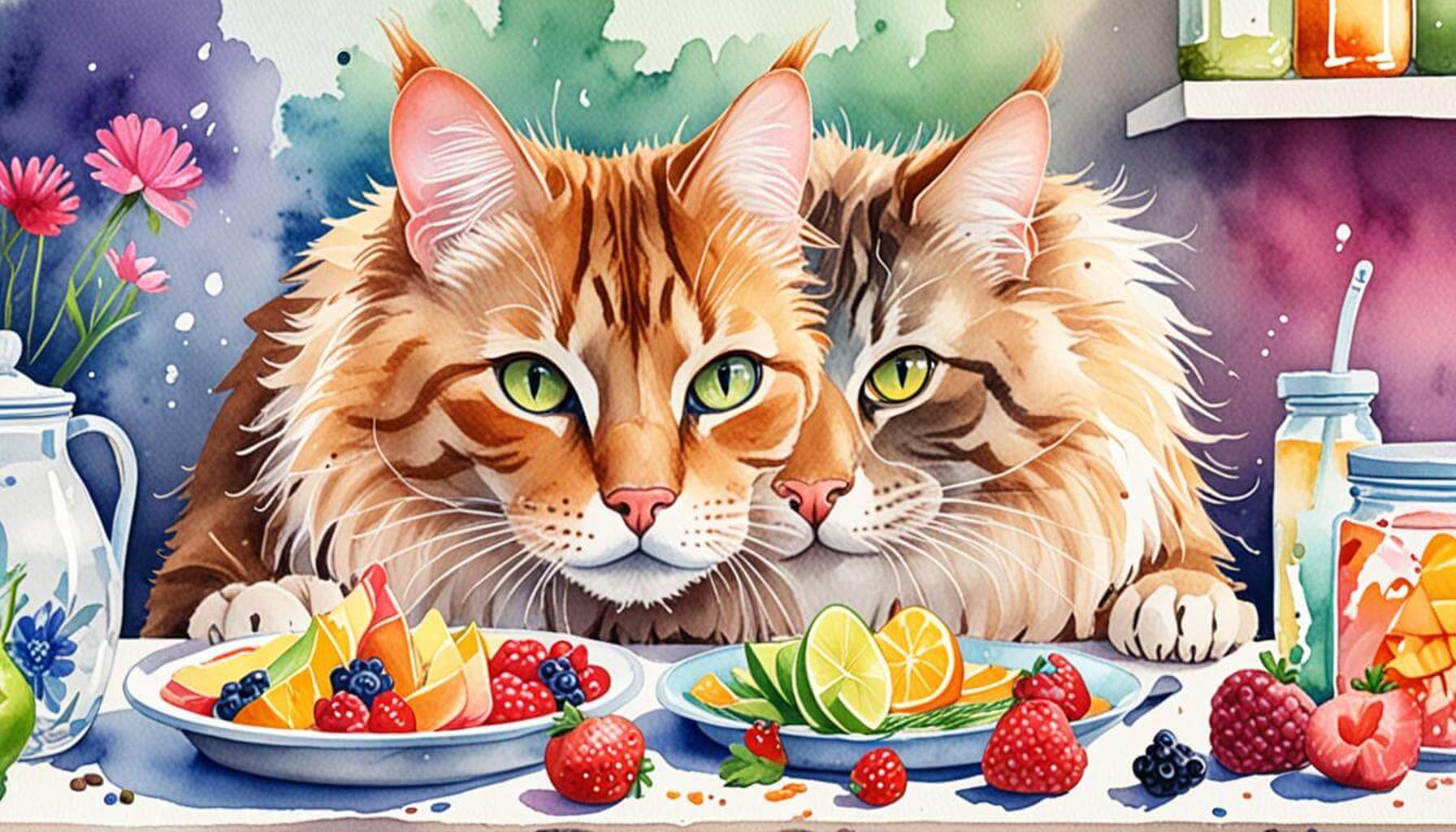
As our feline friends age, their nutritional requirements undergo significant changes that can impact their overall health and quality of life. Understanding these unique needs is crucial for pet owners who wish to provide the best care possible for their senior cats. With the right knowledge, you can ensure your cat maintains a balanced diet that supports their changing metabolism and physical condition.
Why Nutrition Matters for Senior Cats
Proper nutrition not only enhances the lifespan of senior cats but also improves their wellbeing in several ways:
- Maintains healthy weight to prevent obesity-related issues.
- Supports vital organs, such as the kidneys and heart.
- Promotes joint health, which is crucial for mobility.
- Boosts the immune system to ward off illnesses.
What to Expect in This Guide
This comprehensive guide will dive into the specific dietary needs of senior cats, providing you with:
- Key nutritional components essential for older felines.
- Insights on food choices that cater to your senior cat’s health.
- Tips on transitioning to senior-friendly diets.
- Potential health challenges to be aware of as your cat ages.
Stay tuned as we reveal the Top 5 essential nutrients every senior cat needs for a healthy and fulfilling life. Your beloved companion deserves to thrive in their golden years, and with the right information, you can make it happen.
Top 5: Understanding Nutritional Needs for Senior Cats – A Comprehensive Guide
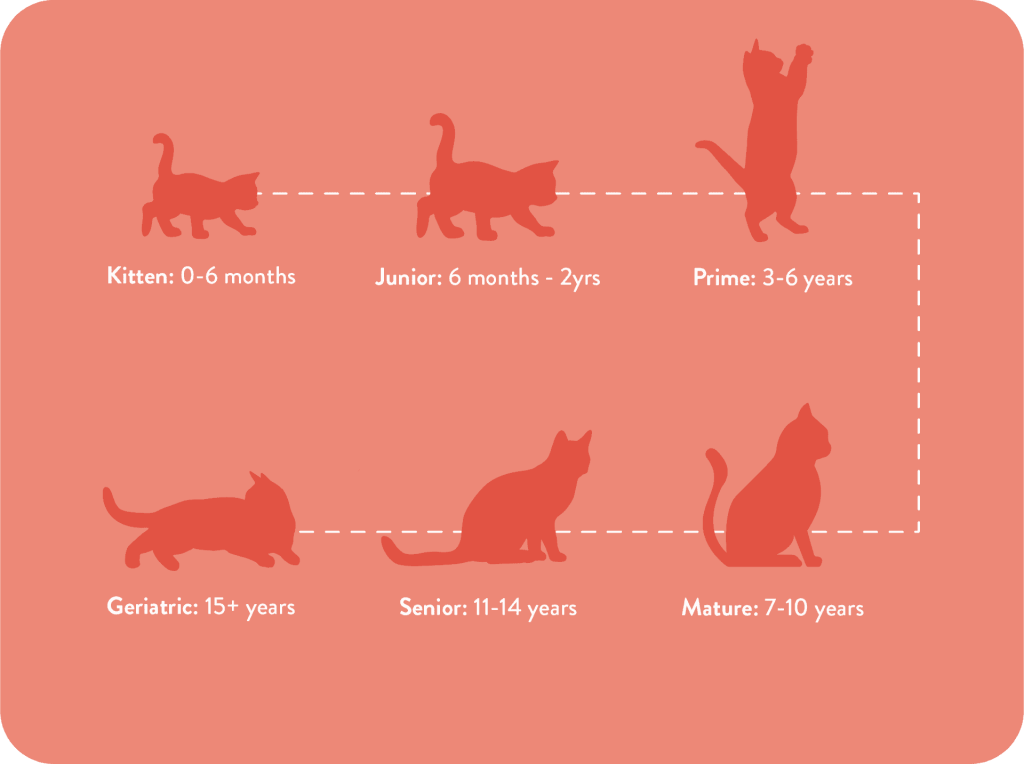
Caring for our feline companions becomes even more crucial as they age. Senior cats, typically defined as those aged seven years and older, often require specific nutritional considerations to maintain their health and overall well-being. This comprehensive guide ranks the essential components of understanding their nutritional needs by exploring overlooked aspects that are vital for their longevity and happiness.
5. Importance of Protein Quality
As cats age, their ability to metabolize and utilize protein effectively can decline. The importance of protein quality in a senior cat’s diet cannot be overstated. Protein is the building block of life, supporting everything from tissue repair to hormone production. Cats, being obligate carnivores, depend heavily on protein from animal sources to fulfil their daily nutritional requirements. Senior cats may begin to experience muscle atrophy, making it crucial to prioritize proteins from animal sources, such as chicken, fish, or beef. These are complete proteins, meaning they provide the necessary amino acids your cat requires for optimal health and vitality.
Animal-Based Proteins: Meat proteins are superior to plant-based counterparts when it comes to feline nutrition. Not only do they have a more complete amino acid profile, but they are also more easily assimilated by the cat’s digestive system. It’s advisable to look for food brands that use high-quality meat as the primary ingredient and steer clear of fillers and by-products.
Digestibility: Highly digestible diets ensure that even slight declines in physical health do not impede the absorption of other vital nutrients. Foods labeled as highly digestible tend to be gentler on the stomach and allow your cat to retain more of the essential proteins and energy they consume.
Protein Levels: Aiming for a protein content of around 30-40% in their food can be beneficial, although this might need adjustment based on specific health needs as determined by a veterinarian. Higher protein levels can help stave off muscle loss and support energy levels, keeping senior cats sprightly for longer.
Consider incorporating wet food into their diet as well, not only does it offer additional hydration, it also typically contains higher protein levels. However, changes to a senior cat’s diet should be approached carefully, with guidance from your veterinarian to account for any existing health concerns.
4. Addressing Weight Management
Managing the weight of senior cats can be a challenge. As their metabolism naturally slows down with age, they’re at increased risk of obesity. Obesity in cats can lead to an array of health complications, such as diabetes, arthritis, and heart disease—each progressing to become serious conditions. Hence, maintaining an ideal weight is paramount for preserving your cat’s health.
Caloric Needs: Each cat has unique caloric requirements influenced by factors like age, weight, and activity level. Calculating the appropriate caloric intake requires attention to these variables and, ideally, consultation with a veterinarian. Too many calories without activity can result in stored fat, whereas too few can result in muscle atrophy.
Portion Control: It is vital to serve food accurately to avoid the pitfalls of overfeeding. Misestimating portion sizes is easy, so using measuring cups for dry foods or specific servings for wet foods can help in maintaining control over daily intake.
Regular Weigh-ins: Just like people, cats benefit from regular health check-ups. Scheduled visits to the veterinarian including weigh-ins can help to monitor your feline friend’s weight and detect early signs of potential health issues. Prevention and early intervention are key strategies in managing your senior cat’s well-being.
Interactivity and play should not be ignored. Playtime with toys that stimulate your cat’s hunting instincts can be both enjoyable and exercise-oriented. Activities like chasing a feather wand can be great methods to keep them active and healthy.
3. Hydration is Key
Dehydration poses a serious risk for senior cats, potentially leading to severe health complications. As cats age, they often develop a reduced thirst drive, meaning they’re less likely to seek out water voluntarily. This increases the risk of dehydration, which can have severe repercussions on their kidney function, digestive health, and overall metabolic processes.
Wet Food: Incorporating wet food into your cat’s diet is one efficient method to boost moisture intake. Wet foods typically contain around 75-80% water, offering an additional source of hydration that complements a cat’s water consumption from their drinking dish.
Fresh Water: Ensuring that your cat has access to fresh, clean water at all times is imperative. Regularly replace the water to keep it fresh, as stale water in bowls might become unappealing to your feline friend.
Water Bowls: Some cats can be picky about how they drink their water. Cats might prefer running water due to its freshness and coolness, a preference that can be easily accommodated by using a pet water fountain, which circulates and filters the water.
For especially reluctant drinkers, flavoring their water with low-sodium chicken broth can make the liquid more palatable and encourage more frequent drinking habits, thus enhancing hydration.
2. Essential Vitamins and Minerals
As felines age, making sure they have adequate vitamins and minerals is crucial for maintaining their quality of life. Key nutrients—omega fatty acids, glucosamine, and antioxidants—are especially critical in supporting various bodily functions, from cognitive capability to joint health.
Omega-3 Fatty Acids: These are fundamental in supporting healthy skin and a shiny fur coat. Additionally, omega-3s have anti-inflammatory properties that are invaluable for maintaining joint health and flexibility in aging cats.
Antioxidants: Found in abundance in vitamin E and selenium, antioxidants play a vital role in combating oxidative stress, which can lead to cellular damage as cats age. They also contribute to immune system support and overall cellular health.
Joint Support: Supplements containing glucosamine and chondroitin are beneficial for maintaining joint health, especially in senior cats that may suffer from arthritis or joint stiffness. They can help improve mobility and decrease discomfort caused by aging joints.
It is essential to engage with a veterinarian regarding the addition of supplements to your senior cat’s diet, as each cat will have unique requirements and potential sensitivities.
1. Customized Diets Based on Health Conditions
The most crucial aspect of understanding the nutritional needs of senior cats is recognizing that each cat has unique health conditions that may require customized diets. Conditions such as kidney disease, hyperthyroidism, dental problems, and diabetes each come with specific dietary needs to manage symptoms and enhance life quality.
Kidney Disease: Cats with kidney issues benefit from diets that are low in protein and phosphorus. Such restrictions help lighten the workload on the kidneys, delaying further deterioration. A veterinarian may recommend foods specifically formulated for renal health.
Hyperthyroidism: This condition often requires the adjustment of iodine levels in a cat’s diet to stabilize thyroid hormone production and balance energy levels.
Dental Health: Tooth decay or gum disease can make eating normal kibble painful. Special formulations of soft food are not only easier for affected cats to consume, but they are often supplemented to contain the necessary calories and nutrients.
Consulting with your veterinarian is imperative for creating a diet plan tailored to the specific health conditions of your senior cat. Veterinary guidance can help you choose a nutritional approach that directly supports your feline’s unique health profile, ensuring they live their golden years as comfortably and healthily as possible.
As our feline companions age, their nutritional requirements shift due to physiological changes. Understanding the specific dietary needs of senior cats is crucial for ensuring their well-being. Below, we delve into various aspects of nutrition that are essential for maintaining the health and vitality of older cats.One of the primary considerations is the balance of macronutrients. Senior cats generally require a higher protein intake than younger cats. A diet rich in quality protein helps to preserve lean muscle mass, which often diminishes with age. Additionally, certain proteins can support organ function, particularly in the kidneys and liver. It’s vital to select protein sources that are easily digestible; chicken, turkey, and fish are excellent options. The emphasis should be on high-quality, animal-based proteins rather than plant-based proteins, which may lack certain essential amino acids the body needs.Next, the fat content in senior cat food should be carefully monitored. Aging cats often have lower energy requirements but still need healthy fats for essential fatty acids, which can support skin health and a shiny coat. However, obesity is a common concern among senior felines. Thus, it’s important to find the right balance – a diet that provides enough fat to support overall health but is not so high in calories that it promotes weight gain. Look for food options that include omega-3 and omega-6 fatty acids, as these can also aid in reducing inflammation and maintaining joint health.Also crucial to the dietary needs of senior cats is hydration. Older cats can be more prone to dehydration, often due to reduced thirst drive or kidney issues. Ensuring that they drink enough water is paramount. Many senior cat owners find that incorporating wet food into their pet’s diet can increase water intake while also providing valuable nutrients. Wet food is beneficial not only for hydration but also for its palatability, which can be comforting for cats with decreased appetites.Moreover, the inclusion of antioxidants in a senior cat’s diet can play a pivotal role in bolstering their immune system. Antioxidants like vitamins E and C, as well as taurine and beta-carotene, help combat oxidative stress and can reduce the risk of age-related diseases. High-quality commercial cat foods often contain these beneficial additives, but it’s essential to ensure that any supplements given are appropriate and safe for senior cats, ideally under the guidance of a veterinarian.Finally, one must not overlook the psychological and social aspects of feeding senior cats. Changes in their eating habits may occur due to dental issues or simply a decline in appetite, but behavioral changes could signal underlying health issues. Feeding environments should be calm and stress-free; and using elevated or easily accessible food bowls can make mealtime enjoyable again. In summary, understanding the unique nutritional needs of senior cats is a multifaceted endeavor that requires careful consideration of protein, fat, hydration, antioxidant support, and the overall feeding environment. By addressing these factors, owners can greatly enhance their senior cats’ quality of life, ensuring they remain active and happy as they age.
Frequently Asked Questions about Senior Cats’ Nutritional Needs
What are the key nutritional changes that occur in senior cats?
As cats age, their metabolic rate typically decreases, which means they may require fewer calories compared to their younger years. However, it’s crucial to maintain a balance as their energy levels fluctuate. One major change is the need for more high-quality protein to help maintain muscle mass. Aging cats may also benefit from increased levels of certain vitamins and minerals, such as Vitamin E and Omega-3 fatty acids, which support joint health and reduce inflammation.
How can I determine if my senior cat’s diet is adequate?
Monitoring your cat’s weight and physical condition is essential for determining if their diet is sufficient. Look for signs like a shiny coat, consistent weight, and regular playfulness, which indicate optimal nutrition. It’s also advisable to consult with a veterinarian who may recommend a diet tailored to specific health conditions prevalent in older cats, such as kidney disease or dental health issues.
Are there specific dietary considerations for senior cats with health issues?
Yes, senior cats with health issues may require specialized diets. For instance, cats with kidney disease often need diets low in phosphorus and high in Omega-3 fatty acids. For diabetic cats, maintaining a diet with consistent and controlled carbohydrate levels is crucial. Tailoring the diet to the cat’s medical condition can help manage symptoms and improve quality of life. Always consult a veterinarian before making significant dietary changes.
Is there a difference in commercial vs. homemade diets for senior cats?
Commercial diets are typically formulated to meet the AAFCO guidelines for feline nutrition, offering a balanced and convenient option for cat owners. They often include necessary supplements and are tested for safety and effectiveness. On the other hand, homemade diets provide the flexibility to use fresh ingredients and tailor meals to the specific preferences and needs of your cat. However, it can be challenging to ensure these diets meet all nutritional requirements, so expert guidance from a veterinary nutritionist is recommended.
Conclusion
The nutritional needs of senior cats significantly differ from those in their younger years, demanding a nuanced understanding and commitment from pet owners. Maintaining your aging feline companion’s health requires more than just love; it involves keen attention to their dietary requirements that evolve with aging. As your cat matures, their protein, calorie, and hydration needs will inevitably change, directly affecting their longevity and quality of life.
Throughout the article, we explored the essential components that constitute a balanced diet for senior cats, emphasizing the importance of high-quality proteins to maintain lean muscle mass and the role of fiber in promoting digestive health. The increasing necessity for joint supplements like glucosamine and chondroitin, coupled with antioxidants to bolster the immune system, further underscores the specific nutritional adjustments required.
The Role of Veterinarians
Enlisting the guidance of a veterinarian cannot be overstated. They can provide invaluable insights and tailor a diet that aligns with your pet’s unique health profile, ensuring all nutritional boxes are ticked and any chronic health issues are managed effectively.
Monitoring and Adjustments
Regular monitoring of your cat’s weight, behavior, and overall health should prompt timely dietary adjustments, ensuring your feline friend enjoys their golden years to the fullest. Given that senior cats often face dental issues, offering softer, more palatable food options can enhance their dining experience, making mealtime a pleasure rather than a chore.
Ultimately, understanding and adapting to the nutritional needs of senior cats is a responsibility that comes with being a devoted pet owner. As you align your cat’s diet with their age-related needs, you not only enhance their physical well-being but also enrich your shared companionship. By investing time and effort into their dietary plan, you contribute to a more rewarding, fulfilling journey in their twilight years.