Alternative Veterinary Therapies Benefits and Considerations for Pets
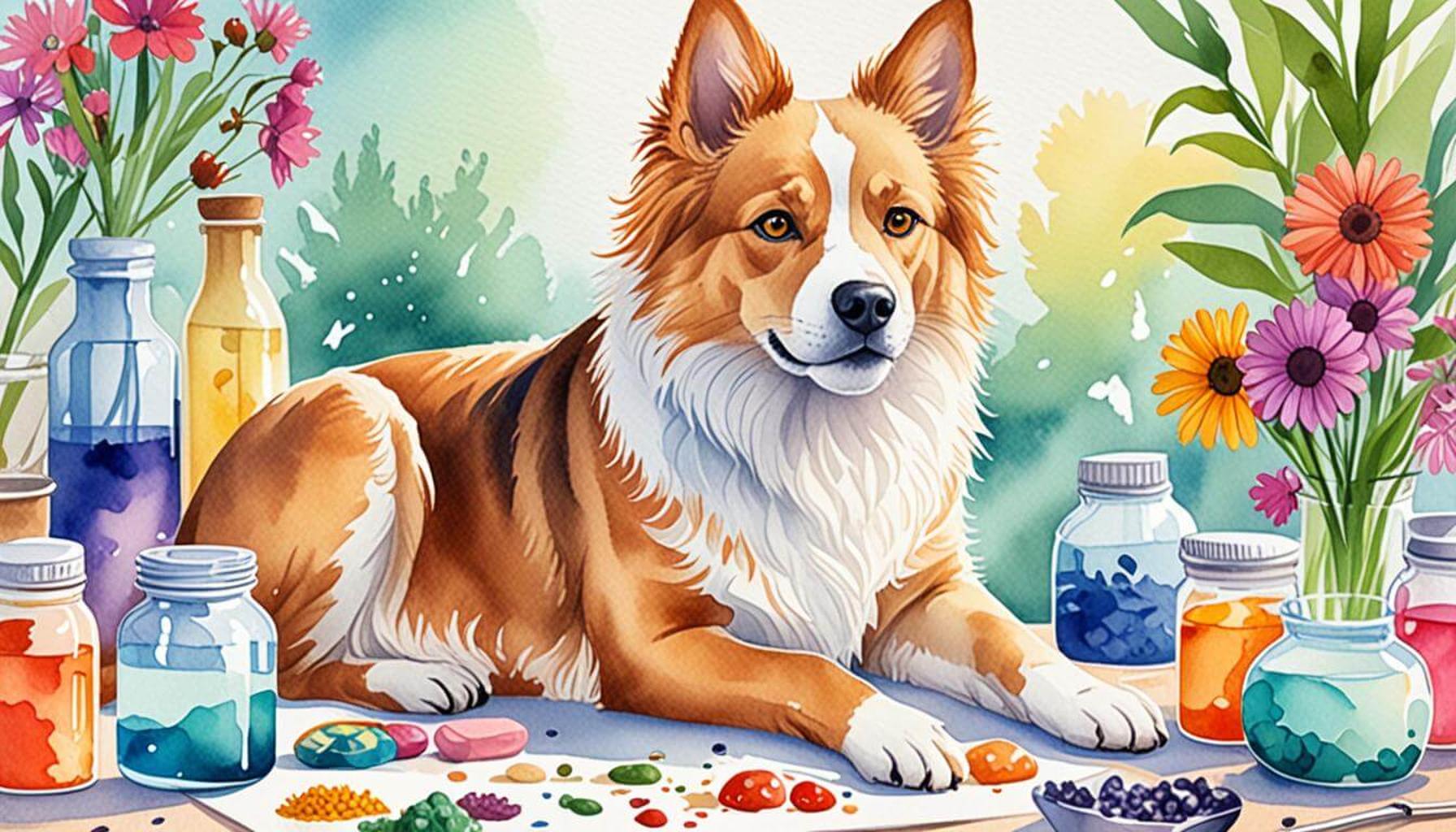
The world of pet care is evolving rapidly, with more pet owners seeking holistic approaches to their animals’ health. Alternative veterinary therapies, often termed complementary treatments, encompass a range of modalities designed to enhance the well-being of our furry companions. These therapies can provide benefits that traditional veterinary medicine may not fully address.
As animal health continues to gain prominence in society, understanding these alternative options becomes essential. Some notable benefits include:
- Improved quality of life for pets with chronic conditions.
- Enhanced recovery post-surgery or illness.
- Reduction in stress and anxiety for pets during veterinary visits.
However, as with any treatment, there are important considerations to keep in mind. In this article, we will explore the Top 5 alternative veterinary therapies, focusing on their benefits and what pet owners should consider before incorporating them into their pet care routine. Prepare to uncover valuable insights that can aid in your pet’s overall health journey.
Top 5 Alternative Therapies in Veterinary Care: Benefits and Considerations for Pets
In recent years, the world of veterinary medicine has expanded far beyond traditional methods. As pet owners become more informed and proactive about their furry companions’ health, they are increasingly turning to alternative therapies. These therapies aim to complement conventional medicine, offering a holistic approach to pet care. From holistic wellness to improved recovery times, the benefits are numerous. Let’s delve into the top five alternative therapies that are capturing the interest of pet owners worldwide, analyzing their benefits and considerations, starting from number five and counting down to number one.
5. Aromatherapy
Aromatherapy is an ancient practice reimagined for modern pets. Just as essential oils are celebrated for their therapeutic effects on humans, they offer a unique pathway to wellness for animals. These oils, extracted from plants, have diverse health-enhancing properties. Lavender is often hailed for its calming effects, making it a popular choice for pets experiencing anxiety from travel or thunderstorms. Similarly, chamomile can alleviate stress and promote a sense of calm.
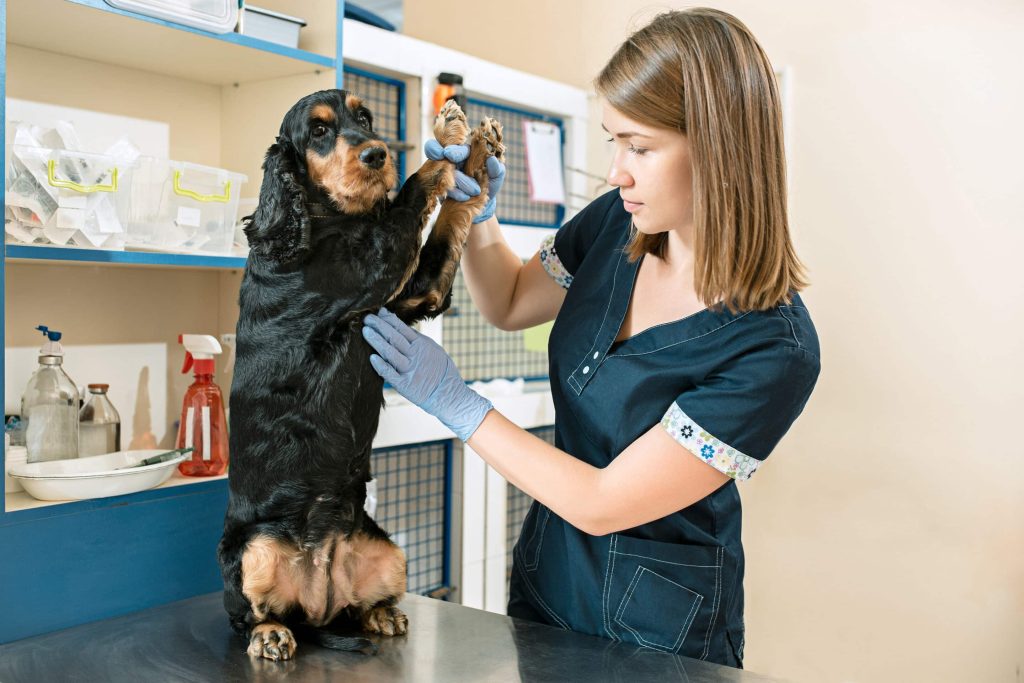
However, the application of aromatherapy in animals is not without its caveats. Cats share a unique vulnerability to certain essential oils. For instance, tea tree oil and peppermint oil are toxic to them. Similarly, dogs may have adverse reactions to certain concentrates. Therefore, the expertise of a veterinarian skilled in aromatherapy is not just recommended but essential. Proper usage entails understanding species-specific tolerances and the correct dilution of these potent plant extracts.
- Benefits: Soothes anxiety and stress, offers a calming atmosphere.
- Considerations: Requires deep knowledge of species-specific oil safety; some oils are toxic, especially to cats.
4. Acupuncture
Acupuncture has transcended its origins in ancient Chinese medicine to become a respected component of contemporary alternative medicine for pets. This technique involves inserting very fine needles into precise points on the animal’s body, stimulating the release of endorphins and increasing blood flow. Pets suffering from arthritis find relief through its pain management capabilities. Dogs with intervertebral disc disease or hip dysplasia particularly benefit from the increased mobility acupuncture can provide.
Before considering this therapy, it is imperative to ensure the practitioner is a licensed veterinarian who has received proper training in veterinary acupuncture. This practice is not universally tolerated by all animals, as some may react negatively to needle insertion. However, when executed correctly, acupuncture can serve as a cornerstone therapy for improving an ailing pet’s quality of life.
- Benefits: Provides effective pain relief; can improve mobility.
- Considerations: Necessitates a qualified veterinarian; not all pets are comfortable with needles.
3. Chiropractic Care
Animal chiropractic care mirrors human chiropractic practices but is refined for the unique anatomy of pets. It plays a crucial role in addressing neuromusculoskeletal disorders. Misalignments in an animal’s skeletal structure can significantly hinder their movement and comfort. Chiropractic adjustments assist in correcting these misalignments, facilitating improved nerve function and alleviating pain.
The scope of animal chiropractic care extends to diverse conditions, from agility dogs needing peak performance to senior pets battling arthritis. Yet, this therapy requires a thorough understanding of veterinary anatomy and should only be performed by a certified animal chiropractor. Missteps in practice can lead to more harm than good, so verifying credentials is non-negotiable.
- Benefits: Alleviates chronic pain, enhances mobility in both active and aging pets.
- Considerations: Practitioner’s credentials are critical; improper techniques can cause harm.
2. Herbal Medicine
Herbal medicine taps into the power of nature to combat health issues in pets. With a rich tapestry of plant-based remedies, herbalism provides a natural alternative or complement to pharmaceuticals. Glucosamine is widely recognized for its contribution to joint health, indispensable for pets with osteoarthritis. Milk thistle supports liver function, aiding detoxification, while turmeric is valued for its anti-inflammatory properties.
The efficacy of herbal medicine is contingent on proper usage; the wrong herb or dosage could prove unsafe. An in-depth understanding of herbal interactions is essential, underscoring the need for consultation with a professional knowledgeable in veterinary herbal medicine.
- Benefits: Offers plant-based management for chronic conditions; bolsters general wellness.
- Considerations: Involves complex herb-drug interactions; professional oversight is crucial.
1. Physical Therapy
At the pinnacle of alternative therapies, physical therapy champions mobility and recovery for pets. This therapy is comprehensive, incorporating exercises, massages, and hydrotherapy to target specific health concerns. Post-operative dogs, for instance, benefit from hydrotherapy which supports gentle exercise without strain.
The methodology for physical therapy is personalized. A veterinary physical therapist designs tailored programs addressing the individual needs of each pet, factoring in their medical history and health objectives. These programs not only expedite recovery but also minimize the chances of future injuries, making them invaluable for both athletic and aging animals.
- Benefits: Attenuates pain and swelling; enhances recovery; strengthens core musculature.
- Considerations: Requires customization to each pet; depends on skilled professional guidance for effective therapy.
In conclusion, alternative therapies in veterinary care open a world of possibilities for the holistic enhancement of pets’ lifelong health. While these therapies offer significant advantages, the involvement of well-trained veterinary professionals is paramount to their success. When traditional methodologies are combined with these holistic treatments, they create a robust framework for ensuring our beloved animals lead healthy, content lives.
| Category | Description |
|---|---|
| Holistic Healing | Alternative therapies often focus on holistic healing, taking into account the pet’s physical, emotional, and environmental well-being. This holistic approach can lead to more comprehensive care and improved overall health. |
| Pain Management | Many alternative therapies, such as acupuncture and chiropractic treatments, can be effective for managing chronic pain in pets. These methods focus on stimulating specific points in the body to relieve discomfort without the use of pharmaceuticals. |
| Stress Reduction | Alternative therapies like massage therapy and aromatherapy can significantly reduce stress levels in pets. This is particularly beneficial for animals recovering from surgery or those with anxiety, enhancing their quality of life. |
| Improved Mobility | Methods like hydrotherapy can greatly improve mobility in pets with joint issues or recovering from injuries. The buoyancy in water provides a low-impact environment for exercise, which aids in rehabilitation. |
The integration of alternative therapies into veterinary care is rapidly gaining traction among pet owners looking for effective and compassionate solutions for their furry companions. Holistic healing addresses multiple aspects of a pet’s being, making it a more thorough approach than traditional treatments. Pain management becomes an art through acupuncture, providing relief from ailments while minimizing reliance on medication.Furthermore, keeping our pets calm and anxiety-free is paramount, especially in today’s fast-paced environment. Stress reduction techniques, including massage and soothing scents, are becoming staples in pet care, helping animals feel safe and secure in their surroundings. The pursuit of improved mobility for pets undergoing physical challenges is a testament to the evolving methodologies in veterinary care. Hydrotherapy, often seen as a mere novelty, is proving to be highly effective in fostering both physical recovery and strength building.As veterinarians and pet owners explore these innovative paths, the advantages and considerations surrounding alternative therapies underscore a growing commitment towards the well-being of pets, highlighting an invigorating shift in the landscape of veterinary practice.
Frequently Asked Questions about Alternative Therapies in Veterinary Care
What are alternative therapies in veterinary care?
Alternative therapies in veterinary care include a range of non-conventional or complementary treatments that are used alongside or in place of traditional veterinary medicine. These may comprise acupuncture, homeopathy, chiropractic treatments, and herbal medicine. The main aim is to provide holistic care that considers the physical and emotional well-being of pets.
How effective are alternative therapies for pets?
The effectiveness of alternative therapies can vary widely depending on the type of treatment and the specific health condition it is addressing. Some studies suggest that therapies like acupuncture can help with pain management in pets, while others indicate variable results. It is important to consult with a qualified veterinarian to understand the potential benefits and limitations, as well as to ensure that any therapy is safe and appropriate for your pet’s particular needs.
Are there any risks associated with alternative therapies for animals?
As with any treatment, there are potential risks that vary depending on the type of alternative therapy. For example, improper administration of herbal supplements could result in toxic reactions, while unqualified practitioners may apply therapies incorrectly. It is crucial to rely on the expertise of licensed and experienced professionals who specialize in veterinary alternative medicine to minimize these risks.
Can alternative therapies replace conventional veterinary treatments?
Alternative therapies are generally intended to complement rather than completely replace conventional veterinary treatments. They should be seen as part of an integrated approach to pet health that includes traditional medical diagnostics and treatments. In some cases, particularly with chronic conditions, alternative therapies may provide supportive care that enhances the overall quality of life for the pet.
How should one choose a practitioner for alternative veterinary therapies?
Selecting the right practitioner for alternative veterinary therapies requires careful research and consideration. Look for professionals who are certified and have specific training in the therapy you are considering. Recommendations from your primary veterinarian can be invaluable, and it’s essential to verify the credentials and experience of any potential practitioner to ensure they meet acceptable standards of care.
Conclusion: Unveiling New Avenues for Pet Care
The exploration of alternative therapies in veterinary care opens new horizons for enhancing the well-being of our pets. These therapies, which include acupuncture, herbal medicine, homeopathy, aromatherapy, and chiropractic care, offer a range of benefits that complement traditional veterinary practices. By emphasizing holistic approaches, they aim to treat the animal as a whole rather than focusing solely on the symptoms.
As pet owners, it is crucial to weigh the benefits and considerations associated with these alternative therapies. The promise of reduced side effects, personalized treatment plans, and support for chronic conditions makes them an appealing option. Yet, it’s important to understand that these therapies should be employed under professional guidance and often serve best when combined with conventional treatments.
Research and evidence-based application play vital roles in validating these therapies. Continued studies and collaboration between veterinary professionals can lead to improved acceptance and integration of alternative methods in mainstream pet care. Owners are encouraged to stay informed and consult with veterinarians knowledgeable in both conventional and alternative practices to make the best decisions for their pets.
Ultimately, the promise of a more comprehensive, compassionate care strategy for our animals underscores the importance of this evolving field. As these therapies gain momentum, they invite pet owners and veterinarians alike to consider broader opportunities for healing and wellness. For those eager to investigate further, this growing domain is rich with potential, paving the way for discoveries that could redefine the future of veterinary care.