Animal Adoption Support Networks Connecting Pets to New Homes
Connecting Animals to Loving Homes
Every year, millions of pets find themselves in shelters, waiting for a chance at a loving home. These animals deserve a second chance, and that’s where support networks and organizations come into play. By fostering connections between animals in need and potential adopters, they play a crucial role in ensuring that pets receive the love and care they deserve.
In an era where animal welfare is increasingly recognized, these networks not only facilitate adoptions but also educate the public about responsible pet ownership. Some key aspects include:
- Community Engagement: Mobilizing volunteers and local resources.
- Awareness Campaigns: Spreading the word about the benefits of adopting.
- Support Systems: Offering services like pet training and vet care.
As we explore the top five organizations making a difference in animal adoption, you’ll discover how these networks transform lives—both for the pets and their new families. Join us in uncovering the vital work being done to connect pets with their forever homes!
Top 5 Organizations and Support Networks: Connecting Animal Adoptions with Forever Homes
Across the globe, animal adoption remains an essential issue as shelters continuously struggle with overflow from the growing population of homeless pets. Addressing this challenge, various organizations and networks execute a pivotal role in facilitating adoptions, offering much-needed support to both the animals and potential pet owners. In this article, we spotlight the top five organizations and support networks committed to connecting animals with loving families. These organizations have not only transformed the lives of countless pets but have also pioneered initiatives that foster community engagement and education.
5. Animal Rescue Foundation (ARF)
The Animal Rescue Foundation (ARF) stands as a beacon of hope for abandoned and homeless pets. Founded in 1991 in Walnut Creek, California, ARF has saved the lives of tens of thousands of animals. Its reputation as a nonprofit powerhouse stems from its holistic approach to animal welfare. ARF not only provides shelter and adoption services but also focuses intensely on community education, advocating for responsible pet ownership practices, which includes the importance of spaying and neutering to control pet overpopulation.
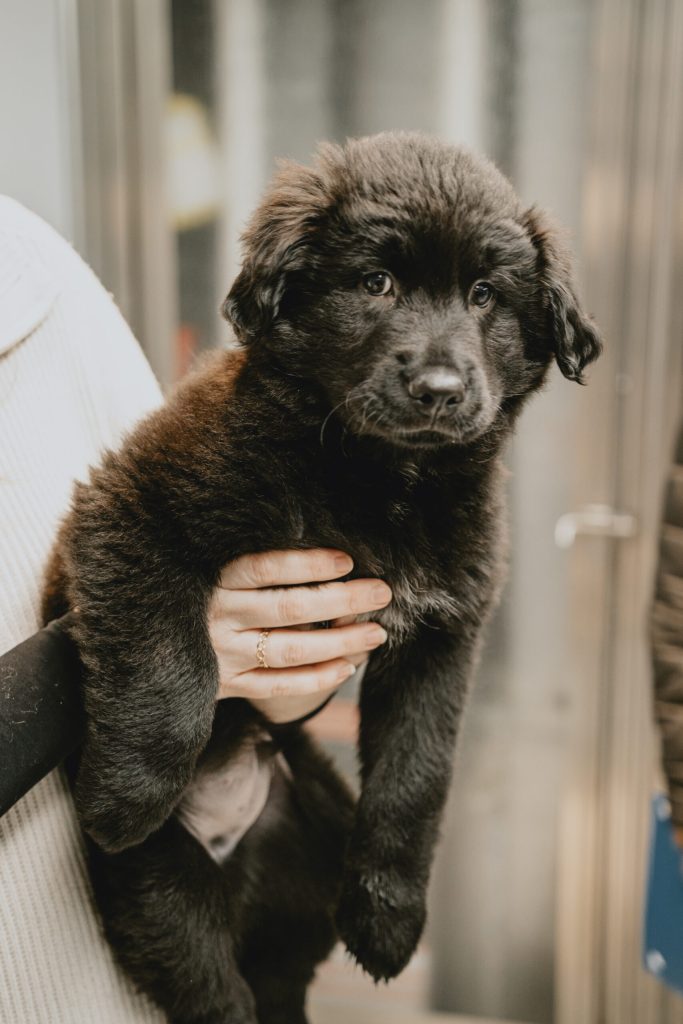
A unique aspect of ARF is its dynamic outreach programs. Collaborating closely with local shelters, ARF facilitates the adoption of pets on the brink of euthanasia. By hosting regular events, such as adoption fairs and volunteer opportunities, ARF promotes community involvement. These events help shift perceptions of rescue animals, showcasing them as loving companions rather than mere statistics of overpopulation.
Additionally, ARF invests in fostering a compassionate societal culture through numerous initiatives. Community members are encouraged to volunteer, which increases awareness and empathy towards animal welfare. Such programs help integrate the mission of animal rescue into the fabric of everyday life, making ARF an influential catalyst for change.
4. Best Friends Animal Society
The Best Friends Animal Society, established in 1984, operates with an ambitious goal: to make the United States a no-kill nation. Located in Utah, the organization strives to promote a world where every pet is treated with kindness and provided a loving home. At the heart of Best Friends’ mission is the elimination of needless euthanasia in shelters.
Best Friends leads a multitude of impactful initiatives connecting animals in need with potential adopters. They maintain a vast national network of animal rescue partners, which plays a crucial role in facilitating adoptions and transporting animals to areas where demand for pets is high. Some of their key programs include TNR (Trap-Neuter-Return) programs for feral cat populations and dog training initiatives that enhance adoptability.
Moreover, Best Friends runs community programs that motivate individuals to become temporary guardians of animals through fostering, thus alleviating overcrowded shelters. Their community-centric approach is bolstered by providing extensive resources, such as training guides and behavior support, to help adopters and their new companions adjust successfully. As a result, Best Friends continues to influence the narrative around pet adoption positively.
3. Petfinder
Petfinder revolutionized the way potential pet owners connect with adoptable animals by harnessing the power of technology. Launched in 1996, this user-friendly platform has become a vital tool for anyone seeking to adopt a pet across North America. Petfinder serves as a virtual bridge between shelters and prospective adopters, allowing users to search for animals by breed, age, size, and location, simplifying the process of finding the ideal companion.
Beyond its listing service, Petfinder is invested in educating the public about responsible pet ownership. The platform offers a treasure trove of articles and resources, providing insights on topics ranging from preparing your home for a new pet to understanding pet behavior. Petfinder’s vast collaboration with thousands of animal organizations maximizes the visibility for pets in need, leading to countless successful adoptions.
By improving connectivity and communication between animals and humans, Petfinder continues to play a critical role in promoting adoption, contributing to the reduction of shelter populations across North America.
2. The Humane Society of the United States (HSUS)
The Humane Society of the United States (HSUS), established in 1954, is at the forefront of advocacy for animal rights and welfare, working tirelessly to save animals from cruelty and neglect. While its core focus is on fostering systemic change, HSUS also plays a significant role in connecting animals with potential adopters through a range of initiatives.
HSUS actively partners with local organizations to promote pet adoption events, bridge resources, and educate the public on the importance of adopting over purchasing animals. The organization’s robust outreach initiatives include the implementation of the Animal Rescue Team, which assists in rescuing animals during natural disasters and conducts rescues on a larger scale.
Through comprehensive educational campaigns, HSUS raises awareness about the urgent need to adopt rather than shop, significantly influencing public perception and fostering a culture committed to animal welfare. HSUS’s holistic approach helps ensure that more animals are given a second chance at life with loving homes.
1. ASPCA (American Society for the Prevention of Cruelty to Animals)
The American Society for the Prevention of Cruelty to Animals (ASPCA) is one of the most renowned organizations in the sphere of animal welfare in the United States. Established in 1866, the ASPCA has diligently worked to rescue animals from abuse, enact humane laws, and share vital resources with communities, facilitating the adoption of countless animals.
The ASPCA’s operations include a state-of-the-art adoption center where a wide array of animals await forever homes. Committed to providing comprehensive care, the ASPCA’s dedicated team offers medical support, behavioral training, and foster care for pets in need. Their national prominence creates significant impact through campaigns that shed light on the necessity for adoption, especially in regions facing severe shelter overpopulation challenges.
With a comprehensive strategy that incorporates advocacy, education, and hands-on support, the ASPCA leads the charge in the animal adoption movement, ensuring that more animals find the warmth of loving homes. Their continued efforts underscore the fundamental belief that every animal deserves a life free from cruelty, and one filled with love and compassion.
Each of these organizations makes a pronounced contribution to the welfare of animals globally, striving ceaselessly to ensure that every pet finds a devoted home. By engaging with these networks and supporting their initiatives, individuals can contribute meaningfully to the goal of affording shelter animals the life they truly deserve.
| Category | Description |
|---|---|
| Community Engagement | Fostering community bonds through the shared goal of animal welfare. Local organizations mobilize volunteers, creating a network of support for the adoption process. |
| Increased Visibility for Animals | Connecting shelters with social media platforms promote their animals for adoption, greatly expanding their reach. Success stories featured on these networks encourage others to adopt. |
| Resource Sharing | Organizations often share resources such as funding, medical care, and educational materials, enhancing their ability to care for animals and place them in loving homes. |
| Training and Support for Adopters | Support networks offer training resources for potential adopters, ensuring they feel prepared and confident to provide a nurturing environment for their new pets. |
The initiative to connect animal adoptions with new homes through organizations and support networks is multifaceted, involving a range of advantages that not only benefit the animals but also enhance community involvement. Community engagement stands at the forefront, where local organizations play a critical role in crafting a supportive atmosphere that encourages volunteers and families to come together with the shared mission of animal welfare. This collaborative effort not only helps animals find homes but also strengthens local connections among residents who might not otherwise interact.Moreover, the increased visibility for animals available through digital platforms cannot be overstated. Shelters utilize social media, volunteer networks, and even local events to highlight available pets, thereby drawing attention to their needs and stories. By presenting the animals engagingly, organizations can tap into emotional connections that often lead to successful adoptions. A poignant success story shared online can inspire another family to consider adopting a pet in need.Another significant advantage lies in resource sharing between organizations. By pooling their assets, shelters enhance their capacity to provide medical care, behavioral training, and educational resources. Such collaboration allows smaller rescues to flourish that might otherwise struggle on limited budgets. This collaborative approach creates a robust network that effectively meets the needs of both the animals and the community.Lastly, the provision of training and support for adopters significantly improves outcomes for newly adopted pets. Organizations actively prepare adopters for their new responsibilities, offering everything from online resources about animal care to workshops where new pet parents can learn essential skills. This comprehensive support ensures that newly adopted animals transition smoothly into their forever homes, ultimately leading to greater satisfaction for both the animals and their new families. The collaborative environment that organizations and support networks foster is undeniably pivotal in reducing the number of animals left abandoned or in shelters.
Frequently Asked Questions about Animal Adoption Networks and Support Organizations
What are animal adoption support networks?
Animal adoption support networks are collaborative platforms connecting animal shelters, rescue organizations, and volunteers to facilitate the adoption process. These networks aim to streamline the process of matching animals with suitable homes, providing resources, and sharing information among participating groups.
How do these networks benefit potential pet adopters?
These networks provide prospective adopters with access to a wider range of animals from various shelters and rescues, all in one place. This increases the chances of finding a pet that matches their life-style and preferences. Additionally, the networks offer educational resources on pet care and training, helping to ensure successful long-term placements.
How can animal support organizations improve the adoption process?
Organizations involved in these networks can improve the adoption process by standardizing procedures, providing better profiling of animals, offering post-adoption support, and maximizing their reach through shared marketing efforts. This collaborative approach helps in reducing the time animals spend waiting for adoption and increases public awareness of available pets.
What role do volunteers play in these networks?
Volunteers are the backbone of animal adoption networks, providing essential support such as fostering animals, organizing adoption events, and assisting with transport. They also contribute to creating engaging content for social media, which helps promote adoption and raises public consciousness about responsible pet ownership.
How can the general public get involved in supporting animal adoption networks?
The public can support these networks by donating funds or supplies, volunteering their time, or simply spreading the word about adoption opportunities. Many organizations also have wish lists for specific items needed. Engaging with these initiatives not only supports the rescue efforts but also helps build a community around compassionate animal care and rehoming.
Conclusion
In today’s society, the role of organizations and support networks in connecting animal adoptions with new homes has become increasingly vital. Throughout this article, we explored the multitude of ways these entities facilitate not only the physical transition of pets to new homes but also their emotional and behavioral adjustment. The main takeaways highlight the significant impact and necessity of these networks.
First, the collaborative efforts between shelters, rescue groups, and foster homes were emphasized as they establish a comprehensive support system for animals. Such collaborations not only speed up the adoption process but also ensure that pets are placed in environments compatible with their specific needs.
Second, the importance of social media and online platforms cannot be overstated. By utilizing technology, these organizations expand their reach, connecting more potential adopters with animals in need of a home. This digital presence enables a faster and more efficient adoption process, catering to a tech-savvy society.
Third, educational initiatives focused on responsible pet ownership play a crucial role in ensuring long-term success in adoptions. By equipping new pet owners with the knowledge and skills necessary, these initiatives help reduce returns and enhance the welfare of animals.
In addition, the creation of support networks provides ongoing assistance to adopters, ensuring pets remain in their new homes. These networks offer expert advice and support, promoting a stable transition for both the animal and its new family.
Ultimately, the concerted efforts of organizations and support networks are essential in reducing animal homelessness and enhancing the well-being of pets. The partnerships formed across platforms, communities, and individuals are pivotal in making a meaningful, lasting impact in the realm of animal adoptions. As society continues to evolve, embracing these intricate networks will ensure that every pet can find a loving, permanent home. This highlights a growing responsibility and opportunity for individuals to engage with and support these initiatives, making a tangible difference in the lives of countless animals.