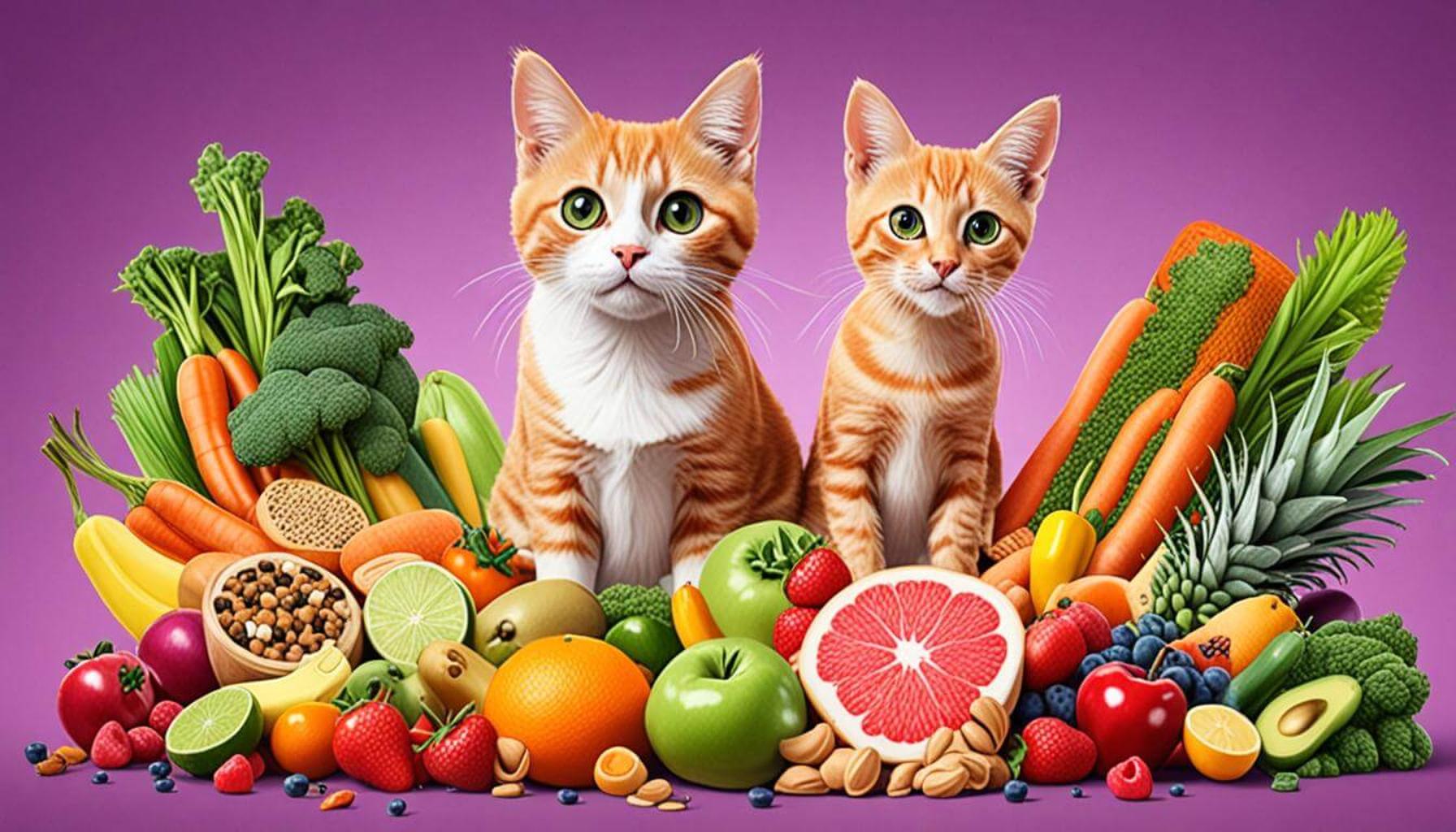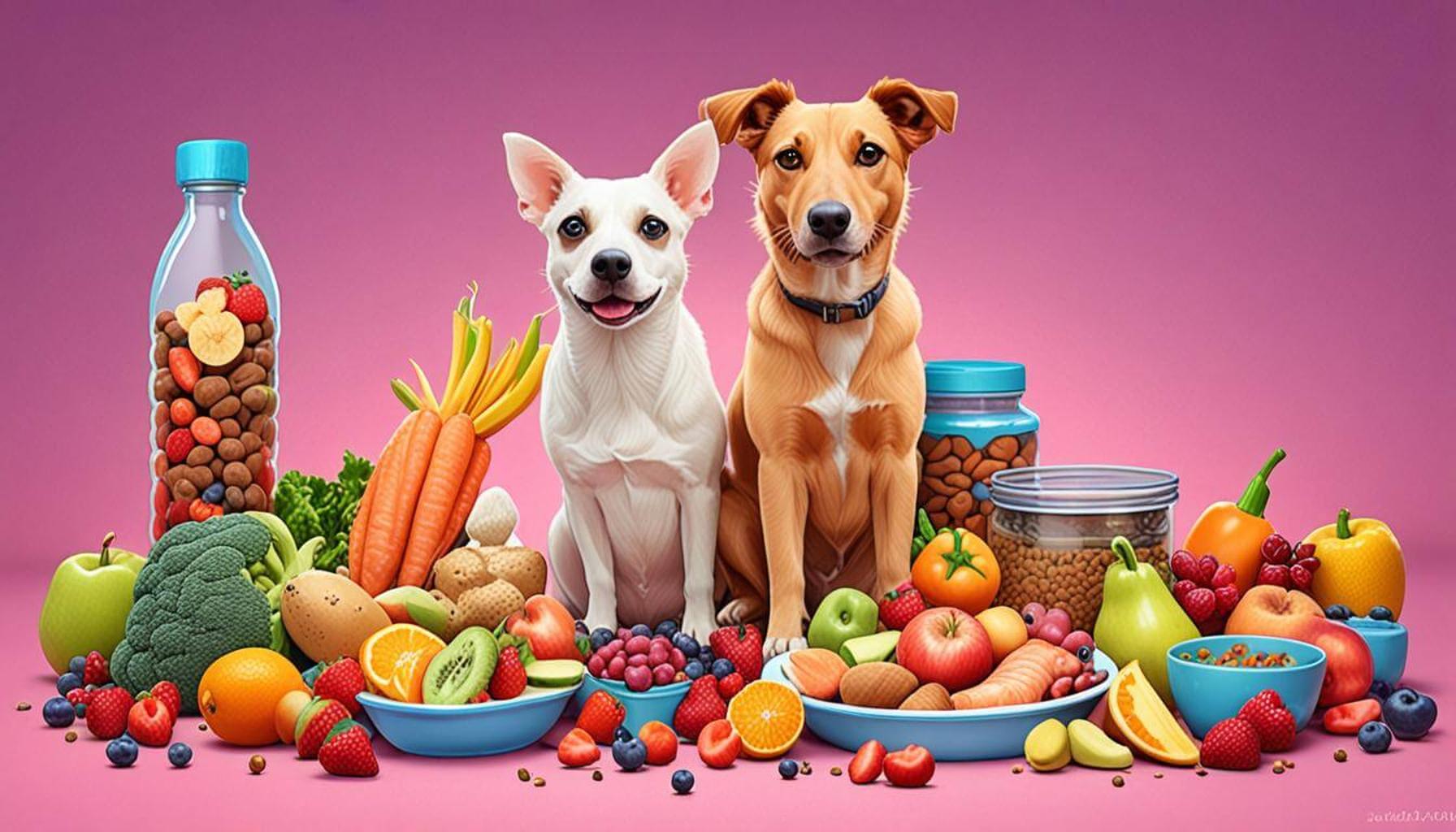
The Importance of a Balanced Diet for Dogs and Cats: Essential Nutrients and Supplements
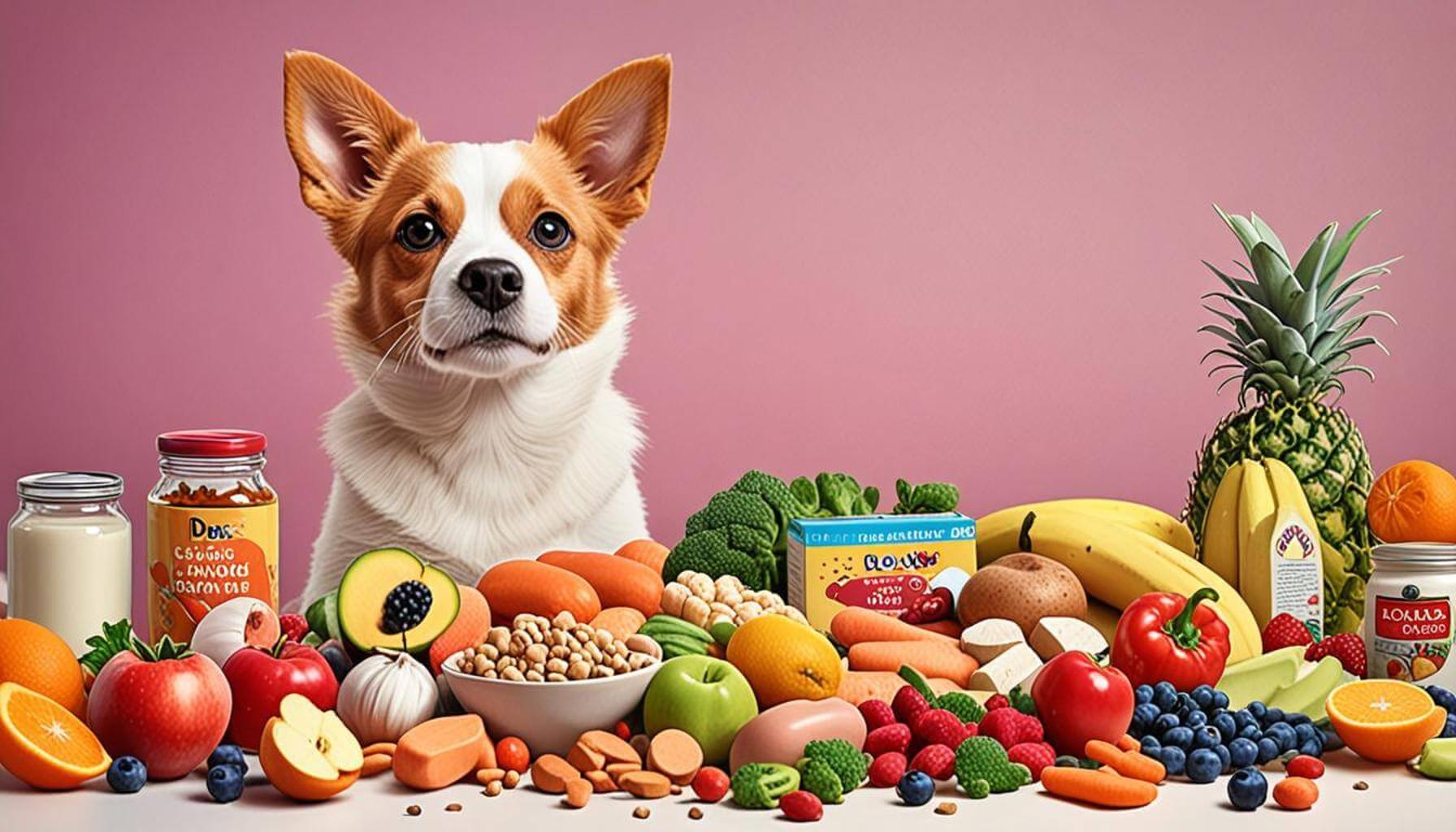
Understanding Nutritional Needs
Providing our furry friends with a balanced diet is crucial for their overall health and well-being. Just like humans, dogs and cats require a specific blend of nutrients to thrive. Understanding these needs can lead to a happier, longer life for your pet. Each pet has unique dietary requirements that can change with age, health status, and lifestyle, ensuring that their nutrition needs are met is a fundamental aspect of pet care.
Key Nutrients to Consider
A balanced diet for pets isn’t just about filling their bowls; it’s about enriching their lives. Essential nutrients include:
- Proteins: Important for growth, maintenance, and overall bodily functions, proteins are made of amino acids, some of which are essential and must be included in your pet’s diet. High-quality sources of protein for pets include meat, fish, eggs, and certain plant-based sources such as legumes.
- Fats: Not all fats are bad. In fact, healthy fats are vital as they provide energy, help absorb certain vitamins, and promote a shiny coat. Omega-3 and Omega-6 fatty acids, which can be found in fish oil and flaxseed oil, are especially beneficial for maintaining healthy skin and fur.
- Carbohydrates: While often overlooked, carbohydrates are a great source of energy. They help regulate blood sugar levels and are also important for digestive health. Ingredients such as brown rice, oats, and sweet potatoes can provide excellent sources of carbohydrates.
- Vitamins and Minerals: These micronutrients support vital body functions, including immune response, bone health, and energy production. Key vitamins such as A, D, E, and K, along with minerals like calcium, phosphorus, and zinc, play significant roles in your pet’s health.
The Role of Supplements
While most commercial pet food offers a variety of nutrients, some pets may benefit from additional supplements. Factors influencing this need include:
- Age and Life Stage: Puppies and kittens require different nutrient compositions compared to adult or senior pets. For example, senior pets may benefit from joint health supplements, such as glucosamine and chondroitin, to support mobility.
- Specific Health Issues: Pets with certain health problems, such as kidney disease or allergies, may need specialized diets or supplements that cater to their conditions, enhancing their well-being and quality of life.
- Dietary Restrictions or Allergies: Some pets may have food allergies or intolerances that require the addition of hypoallergenic supplements or replacement of certain dietary components, ensuring they receive adequate nutrition.
By ensuring your dog or cat receives the right balance of nutrients, you empower them to live a healthier and more active life. Nutrition plays a key role in maintaining a pet’s overall health, affecting everything from their energy levels to their reproductive health. Regularly consulting with a veterinarian can help you navigate your pet’s dietary needs, ensuring they stay vibrant and strong throughout their life.
DISCOVER MORE: Click here for essential tips on a healthy cat diet

Nurturing Pets Through Nutrition
A well-rounded and balanced diet not only keeps our canine and feline companions fit but also enhances their quality of life. To grasp the importance of proper nutrition, it’s essential to delve into the specific roles that various nutrients play in the overall health of dogs and cats.
Breaking Down the Essential Nutrients
When considering the dietary needs of our pets, it’s important to recognize the balance of nutrients required to support not just their physical health, but also their emotional and mental well-being. To achieve this, focus on incorporating the following essential nutrients:
- Proteins: As the building blocks of body tissues, proteins are indispensable for dogs and cats. Proteins are composed of amino acids, with some being essential, meaning they cannot be synthesized by the pet’s body. Sources like chicken, beef, fish, and eggs offer high-quality protein that promotes growth, muscle development, and optimal organ functions.
- Fats: Contrary to popular belief that all fats are harmful, healthy fats are vital for your pet’s energy levels and optimal health. They aid in the absorption of fat-soluble vitamins (A, D, E, and K) and contribute to a glossy coat. Omega-3 and Omega-6 fatty acids, abundant in fish oil and certain nuts, are crucial for skin health and reducing inflammation.
- Carbohydrates: While pets are primarily carnivorous, carbohydrates serve as an excellent energy source. They also support digestive health by facilitating regular bowel movements. Ingredients like sweet potatoes, quinoa, and oats can provide dogs and cats with the energy they need to stay active and playful.
- Vitamins: Essential vitamins play a significant role in various biochemical processes. For instance, Vitamin A supports vision, while Vitamin C serves as an antioxidant that helps mitigate cellular damage. Incorporating a variety of fruits and vegetables into your pet’s diet ensures they receive a broad spectrum of vitamins.
- Minerals: Minerals like calcium, phosphate, and potassium are vital for skeletal health, muscle contraction, and hydration regulation. Whether it’s through balanced commercial pet foods or natural sources like organ meats and leafy greens, ensuring adequate mineral intake is critical.
Each nutrient contributes to a compound effect that supports your pet’s immune system, enhances mental health, and promotes longevity. Understanding what your dog or cat needs nutritionally also brings to light how food acts as preventive medicine.
The Significance of Tailored Diets
In addition to choosing the right mix of nutrients, tailoring your pet’s diet to their unique condition is paramount. Some pets are more prone to specific health issues or have individual dietary restrictions, necessitating a closer look at their food intake. Factors such as age, breed, and existing health conditions can necessitate changes in their nutritional profiles.
For example, senior pets may require different levels of protein and fat compared to younger animals. Additionally, pets with allergies might benefit from specialty diets that eliminate common allergens while still providing the requisite nutrients.
Investing time in understanding and implementing nutritional guideline for your pets can lead to years of companionship filled with vitality and joy. It is clear that a balanced diet is not just an option—it’s an essential part of responsible pet ownership that affects your furry friend’s overall health and happiness.
The Role of Essential Nutrients in Pet Health
A well-balanced diet is crucial for the health and well-being of both dogs and cats. Each of these pets requires specific nutrients that aid in their development, energy levels, and overall health. The composition of nutrients can vary between individual pets, which is why it’s important to tailor their diets according to their specific needs.Proteins are the building blocks of body tissues and are essential for growth and repair. High-quality protein sources such as chicken, beef, or fish help in muscle development and immune function. In terms of quantity, pets usually require about 20-30% of their daily intake to come from protein.Fats provide a concentrated source of energy and are vital for absorbing fat-soluble vitamins. Omega-3 and Omega-6 fatty acids, often sourced from fish oil or flaxseed, support skin health, a shiny coat, and proper brain function.Carbohydrates serve as a quick energy source and can help with digestive health when they include fiber. Whole grains, sweet potatoes, and peas are excellent sources of carbohydrates that also offer vitamins and minerals.Vitamins and minerals cannot be overlooked either. Vitamin A supports vision, while calcium and phosphorus are critical for bone health. A deficiency or imbalance in these essential nutrients can lead to serious health issues, including developmental abnormalities or increased susceptibility to diseases.To ensure that pets receive appropriate nutrients, many pet owners consider specially formulated supplements. These can fill gaps in the diet, especially for pets on homemade or less conventional diets. Supplements range from single vitamins to complete formulations that target specific health concerns such as joint health, skin conditions, or digestive issues.Understanding the essential nutrients and how they impact health can guide pet owners in making informed dietary choices. It is always recommended to consult with a veterinarian to determine the best dietary plan suited for your pet’s unique needs.
DISCOVER MORE: Click here to learn about vital adoption networks
Understanding Supplements in Pet Nutrition
While a balanced diet forms the foundation of your dog or cat’s nutritional needs, sometimes it isn’t enough to meet all their requirements, especially in special circumstances. This is where supplements play a vital role. They can bridge nutritional gaps and enhance your pet’s overall health when used correctly.
Commonly Used Supplements and Their Benefits
Many pet owners may wonder whether their furry friends need supplements, and the answer often depends on their specific health needs. Below are some popular supplements and their benefits:
- Omega Fatty Acids: Particularly beneficial for pets with skin allergies or shedding issues, Omega-3 and Omega-6 supplements can help improve coat condition, reduce inflammation, and support heart health. Fish oil is a common source of these essential fatty acids.
- Probiotics: Just like humans, pets can benefit from probiotics—live bacteria that aid in gut health. Probiotics can help manage digestive issues, strengthen the immune system, and enhance nutrient absorption. Always select vet-recommended products to ensure safety and efficacy.
- Glucosamine and Chondroitin: These are often recommended for older pets or those with joint issues. They help protect cartilage and may also alleviate symptoms of arthritis, improving mobility and overall quality of life.
- Multivitamins: These comprehensive supplements can fill in the nutritional gaps that might exist in your pet’s diet. They combine multiple vitamins and minerals, catering to various needs, from bone strength to immune support.
- Antioxidants: Supplements rich in antioxidants, such as Vitamins E and C, can combat oxidative stress. This is especially important for senior pets, as it supports brain health and reduces the risks associated with aging.
When considering adding supplements to your pet’s diet, it’s advisable to consult with a veterinarian. They can help identify any deficiencies and recommend the right dosage tailored to your pet’s unique needs.
The Role of Natural Foods in Pet Diets
While commercial pet foods are convenient, incorporating natural foods into your pet’s diet can be highly beneficial. Foods like cooked chicken, carrots, and plain pumpkin not only add variety but also supply extra nutrients. They can serve as healthy treats or meal enhancers that contribute to a balanced diet.
Be cautious, however; not all human foods are safe for pets. Items like chocolate, grapes, onions, and garlic are toxic to dogs and cats. Keeping a list of pet-safe foods can help pet owners navigate this tricky territory effectively.
The Importance of Hydration
Alongside a balanced diet rich in essential nutrients, maintaining proper hydration is crucial for your pets. Water aids digestion, helps regulate body temperature, and eliminates waste. To encourage drinking, provide fresh water daily and consider incorporating wet food options, which have higher moisture content. This is particularly important for cats, as they may not hydrate sufficiently on dry food alone.
In summary, understanding both the nutrients necessary for a balanced diet and the role of supplements can significantly enhance your pet’s health. Whether you’re mixing high-quality commercial foods with fresh ingredients or adding specific supplements, a thoughtful approach enables you to provide your dog or cat with the nutrition they need to thrive.
DIVE DEEPER: Click here to learn more about raw dog diets
Conclusion: Elevating Pet Health Through Nutrition
In conclusion, providing your pets with a balanced diet is not merely a routine; it is an essential investment in their long-term health and happiness. The proper combination of essential nutrients—including proteins, fats, carbohydrates, vitamins, and minerals—creates a solid foundation for their wellbeing. However, as discussed, it’s crucial to recognize that many pets may require additional supplements to address specific health concerns or nutritional gaps in their everyday diets.
The versatility of incorporating natural foods alongside high-quality commercial diets can enhance your pet’s culinary experience while delivering extra nutrients. As conscientious pet owners, understanding your furry companions’ hydration needs further complements this well-rounded approach. Remember, hydration is just as pivotal as nutrition in ensuring that your pets remain active, alert, and healthy.
Ultimately, consulting with a veterinarian to tailor a dietary plan and evaluate the necessity for supplements will empower you to make informed choices. This proactive approach to pet nutrition not only supports a longer, healthier life for your dog or cat but also strengthens the bond between you two. Take the time to explore quality food sources and consider the beneficial effects of supplements; your pets deserve nothing less than a holistic pathway to vibrant health.