
Dog Training Techniques for First-Time Owners
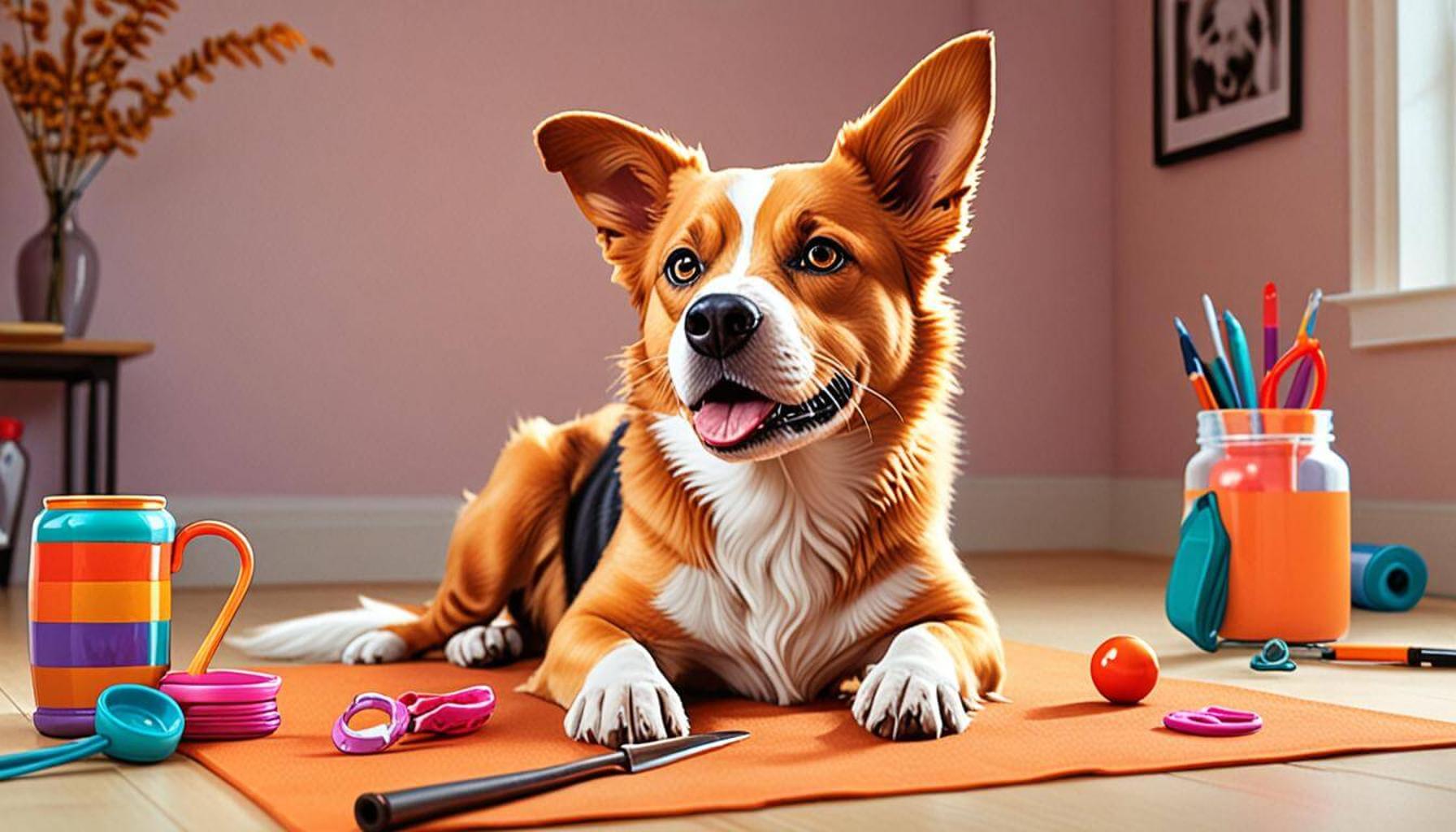
Understanding the Foundations of Dog Training
Embarking on a journey with a new dog can be one of life’s most rewarding experiences. For first-time owners, however, the excitement often comes mixed with uncertainty surrounding dog training techniques. Understanding how to train your furry friend is crucial not only for your peace of mind but also for their happiness and well-being.
Dogs aren’t just pets; they are cherished family members that thrive on learning and structure. When welcoming a new dog into your home, it’s essential to recognize that they look to you for guidance and support. Here are a few key aspects every first-time owner should consider:
- Consistency: Dogs respond best to clear and consistent commands. This means using the same words and phrases for commands like “sit,” “stay,” or “come” each time without variation. Consistency in your behavior and responses reinforces the meaning of these commands, which can help your dog learn much quicker.
- Positive Reinforcement: Rewarding good behavior encourages repetition. This approach can include treats, praise, or even playtime. For instance, when your dog successfully sits on command, offering a small treat along with enthusiastic praise helps them associate that action with positive outcomes, thus motivating them to repeat it.
- Patience: Training takes time and perseverance; it’s okay to make mistakes. Every dog learns at their own pace. Some commands may be understood quickly, while others may take weeks of practice. Maintaining a calm demeanor during training—especially when things don’t go as planned—becomes pivotal to developing a trusting bond with your dog.
Training isn’t solely about teaching commands. It also involves building a connection with your dog. Engaging in activities like interactive games or agility courses not only promotes physical health but also strengthens your relationship, making the learning process much more rewarding for both you and your pup.
Whether you’re interested in basics like potty training, leash walking, or more advanced tricks like playing dead or rolling over, understanding various training methods is essential. Techniques such as clicker training offer a structured way to communicate with your dog effectively. Clicker training uses a small handheld device that makes a distinct sound, which you can use to mark desired behaviors, followed by a reward, solidifying the link between actions and outcomes.
In this article, we’ll explore the most effective, evidence-based techniques tailored for first-time dog owners, ensuring that your new companion becomes a wonderful addition to your family. Remember, embarking on this journey not only teaches your dog important life skills but also fosters a deep, rewarding relationship that enhances both of your lives. So, get ready to dive into this world of training, love, and companionship!

DISCOVER MORE: Click here for essential tips
Effective Training Techniques for First-Time Owners
When it comes to dog training, first-time owners may feel overwhelmed by the myriad techniques available. From traditional methods to modern approaches, understanding what works for both you and your dog is vital. In this section, we will delve into some of the most effective and widely supported dog training techniques that can set you on the path towards a well-mannered pet.
Socialization is one of the cornerstones of dog training. Early interactions with various environments, people, and other animals equip your dog with the skills necessary to navigate the world confidently. Ideally, socialization should start as soon as you bring your puppy home. For adult dogs, gradual exposure can still avail significant benefits. To promote healthy socialization, consider enrolling your dog in beginner classes at a local training center or arranging playdates with other friendly dogs. It’s essential, however, to ensure these interactions are positive and controlled.
Another popular method is obedience training, which provides the foundation for good behavior. Teaching basic commands like “sit,” “stay,” “down,” and “leave it” can considerably improve communication between you and your dog. Typically, obedience training is broken down into three phases: teaching, reinforcement, and proofing. In the teaching phase, introduce the command alongside a hand signal or visual cue. Once your dog understands the command, move into the reinforcement stage where you reward them for following through. Lastly, proofing involves practicing the command in different settings or with added distractions to solidify the behavior.
First-time owners may also benefit from the leash training technique. Many dogs tend to pull on the leash during walks, leading to a frustrating experience. Start by introducing your dog to the collar and leash at home before venturing outside. During walks, use treats to encourage your dog to walk beside you and reward them for staying close. If they begin to pull, stop walking until the leash is slack again, teaching them that pulling does not lead to progress.
- Clicker Training: A highly effective method that uses a clicker device to signal desired behavior followed by a reward. This technique requires precise timing and can aid in teaching everything from simple obedience commands to complex tricks.
- Crate Training: While it may sound restrictive, a crate can provide your dog with a safe, personal space. Crate training is especially beneficial for potty training and can help ease anxiety in a new environment.
- Boundary Training: Teaching dogs their physical limits within the home, such as not jumping onto furniture or staying off certain rugs or carpets, establishes clear house rules.
In conclusion, exploring these various dog training techniques can empower first-time owners to shape their new pet’s behavior positively. Each technique offers unique advantages, and finding the right mix can lead to a harmonious home life. In our next section, we will provide practical tips on implementing these techniques effectively to ensure your training sessions are both enjoyable and productive. Your commitment to consistent and compassionate training lays the groundwork for a lasting bond with your furry friend.
| Training Technique | Advantages |
|---|---|
| Positive Reinforcement | Encourages desired behavior through rewards like treats and praise, fostering a strong bond with your dog. |
| Clicker Training | Utilizes a sound to mark correct behavior, making it clear to your pet what actions are encouraged. |
| Socialization | Helps your dog adapt to different environments, people, and other animals, minimizing anxiety and aggression issues. |
| Leash Training | Teaches control during walks, ensuring safety for both the owner and the dog. |
When applying these dog training techniques, first-time owners can cultivate well-mannered and happy pets. For instance, positive reinforcement is not just about avoiding bad behavior; it harnesses your dog’s natural instincts to respond favorably, paving the way for a healthy relationship. Each of these methods brings out the best in your canine companion by using techniques accessible for all skill levels. Additionally, these strategies enhance communication between you and your pet, making training a fun experience instead of a chore. Excited to learn more? Continue exploring deeper techniques for a smooth journey into dog ownership.
DIVE DEEPER: Click here to learn more
Advanced Training Techniques for a Well-Rounded Dog
As first-time dog owners deepen their understanding of the basics of dog training, they may want to explore more advanced techniques that can further enhance their dog’s skills and behaviors. Engaging in these advanced methods not only gives your dog a stimulating and rewarding experience but also strengthens the bond you share. Here we present additional training techniques that prove beneficial for both you and your canine companion.
Positive Reinforcement
At the core of effective dog training is positive reinforcement, a principle that involves rewarding desirable behaviors to encourage their recurrence. Rather than focusing on punishment for undesirable actions, positive reinforcement fosters a supportive learning environment. Treats, praise, or playtime can all serve as rewards, motivating your dog to replicate the desired behavior. For example, if your dog sits on command, offering a treat along with affectionate praise will reinforce that behavior more effectively than scolding for unwanted behavior. Over time, your dog will begin to associate commands with positive outcomes, solidifying their learning.
Target Training
Target training is an innovative way to teach your dog to focus and follow your cues. In this technique, you use a specific target, such as a stick or your hand, to guide your dog’s movements. Start by teaching your dog to touch the target with their nose, rewarding them each time they do so. Once they have mastered this initial step, you can gradually introduce more complex tasks like moving to specific locations or performing tricks, all while keeping the training fun and engaging. Target training leverages your dog’s natural curiosity and enthusiasm—making it an ideal fit for many first-time owners.
Behavior Shaping
Another innovative approach is behavior shaping, which involves breaking down complex behaviors into manageable steps and rewarding your dog for progressively getting closer to the final goal. For example, if you want to train your dog to roll over, you would first reward them for lying down, followed by rewarding them for leaning to one side, and finally for completing the full roll. This method allows you to shape behaviors gradually and is especially effective for complex commands or tricks. The key here is patience—celebrate even the most minor successes and gradually work towards the desired behavior.
Agility Training
For owners seeking a fun, dynamic way to train their dogs, agility training provides an exciting avenue. This type of training involves guiding your dog through an obstacle course that can enhance their physical skills and mental acuity. Agility training can range from simple jumps and tunnels to complex weaving exercises. Not only does agility training improve your dog’s coordination and focus, but it also promotes a healthy lifestyle through physical activity. Many communities host agility classes or competitions, providing opportunities for socialization and camaraderie with other dog owners.
Consistency and Routine
Regardless of the training techniques you choose, maintaining consistency and routine is critical for success. Dogs thrive on structure, and having a regular training schedule helps reinforce learning. Aim for short, frequent training sessions rather than sporadic, lengthy sessions to optimize retention and engagement. Incorporate training into daily activities—asking for a sit before meals or a down before playtime can seamlessly blend training into your dog’s routine.
Through diverse training techniques and a commitment to consistency, first-time owners can cultivate a well-adjusted, obedient pooch that is a joy to be around. As you explore these avenues, remember that patience and understanding are key; effective training takes time, but the rewarding companionship of a well-trained dog is well worth the effort. With these advanced strategies at your disposal, you are well on your way to developing a fulfilling partnership with your furry friend.
DISCOVER: Click here to learn about adoption networks
Conclusion: Building a Lasting Bond Through Training
As we have explored in this article, dog training techniques for first-time owners offer a myriad of opportunities to connect with your canine companion and foster a harmonious relationship. From the foundational concepts of positive reinforcement and target training to more advanced approaches such as agility training and behavior shaping, the techniques available cater to the unique needs of each dog and owner pair.
By investing time and effort into understanding various training strategies, you not only set your dog up for success, but you also enrich your own experience as an owner. Incorporating a consistent routine and practicing patience throughout the training journey is essential in building trust and encouraging your dog to learn and grow. As you implement these techniques, remember that the objective of dog training is not merely to achieve obedience, but to cultivate a deep, lasting bond based on mutual respect and understanding.
As you embark on this rewarding endeavor, consider joining local dog training classes or engaging with online communities to gain further insights and support. By sharing experiences with fellow dog owners, you can uncover new strategies and stay motivated on your training journey. In conclusion, embracing these dog training techniques will help you nurture a well-mannered, joyful pet while creating countless cherished memories together. Your investment in training is an investment in the happiness of both you and your furry friend.