
The Role of Telemedicine in Veterinary Medicine: How Virtual Consultations Are Transforming Pet Care
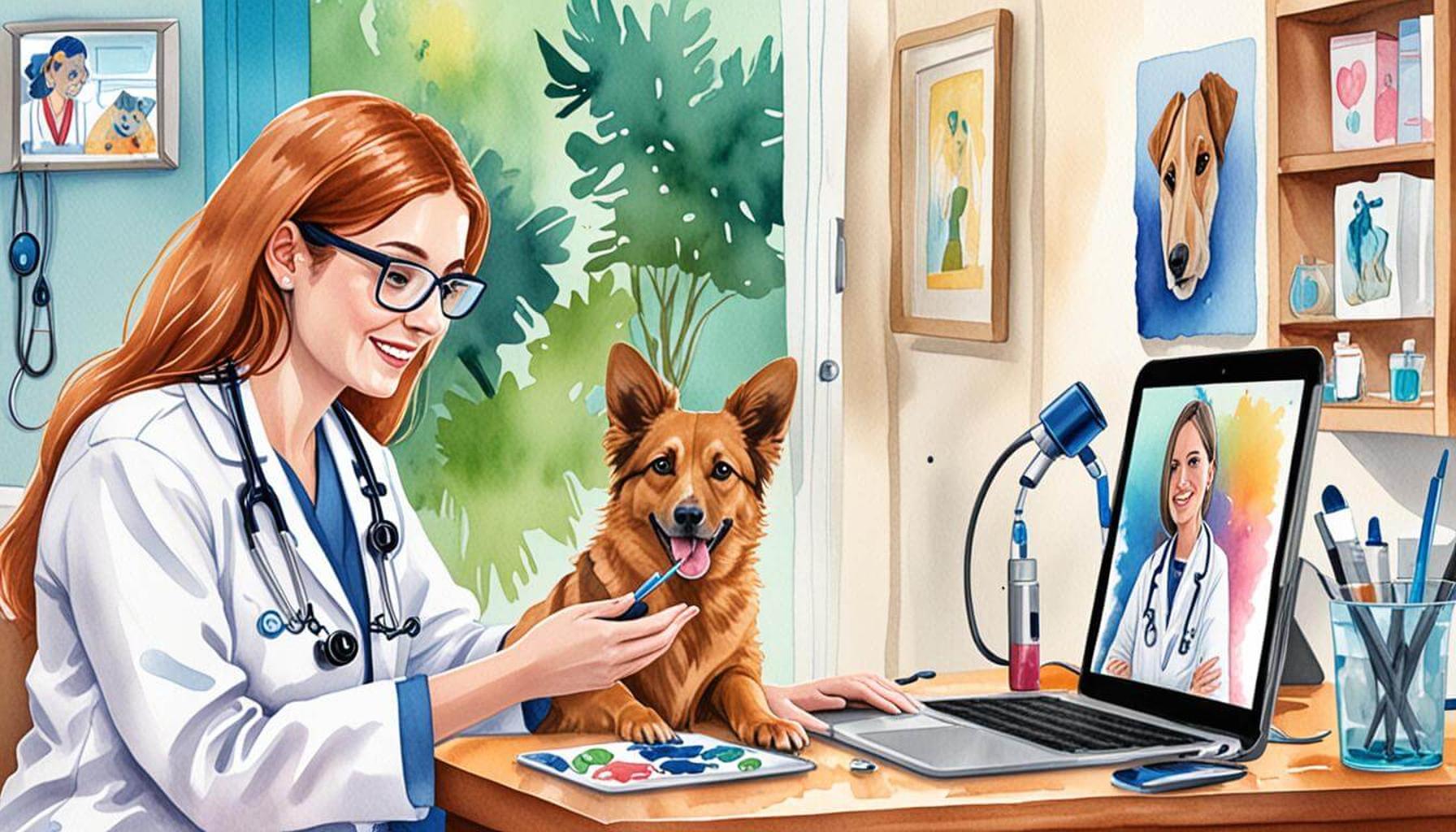
The Impact of Telemedicine on Pet Care
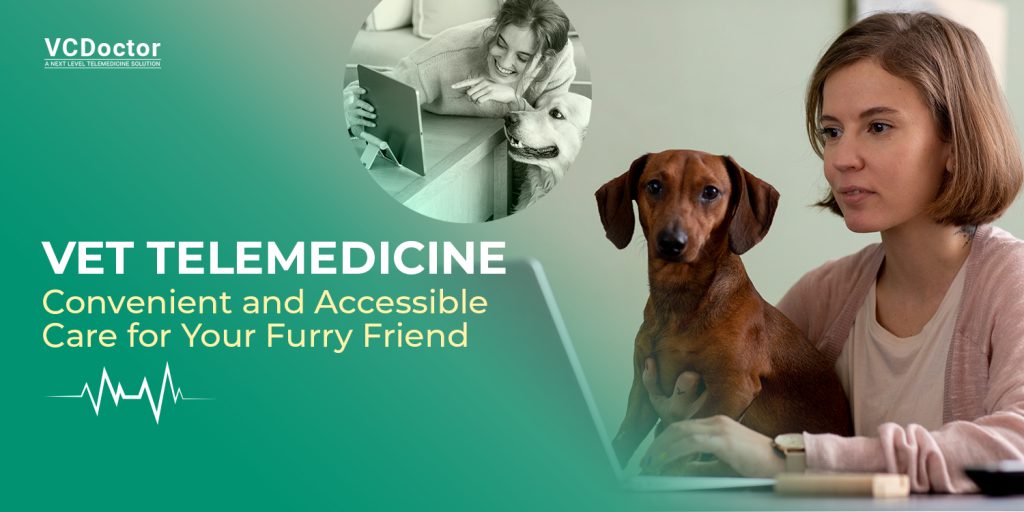
As advancements in technology continue to permeate various sectors, telemedicine has carved a significant niche, particularly in veterinary medicine. This innovative approach allows pet owners to consult veterinarians virtually, a game-changer for both pets and their owners. The ability to receive expert advice without the necessity of a physical visit means that help is only a click away, transforming the landscape of pet care.
One of the outstanding attributes of virtual consultations is convenience. Imagine being able to speak to a veterinarian while relaxing on your couch, without the hassles of travel and waiting rooms. This eliminates the distress some pets feel in new environments or during car rides, ultimately resulting in a more focused consultation where the pet is likely to be less anxious.
Moreover, accessibility has become a crucial factor in modern pet care. For pet owners in rural areas or those with demanding schedules, accessing veterinary services can often be a challenge. Telemedicine removes these barriers, allowing pet owners to communicate with specialists who might be hundreds of miles away. For instance, a farmer in rural Texas can consult with a veterinary cardiologist located in San Antonio for guidance on their livestock or beloved farm pets.
In addition, virtual visits can be more cost-effective. Traditional in-person appointments may involve costs related to travel, time off work, and even emergency fees during off-hours. Virtual consultations often come at a lower fee, making quality care more affordable and allowing pet owners to allocate their financial resources to other essential aspects of pet health, like medications or enhanced nutrition.
The time-saving aspect is another significant advantage. Traditional veterinary visits often involve long waiting times, creating stress for both pet and owner. With telemedicine, the waiting is minimized, and consultations can be scheduled at the convenience of the pet owner, ensuring a more efficient process that promotes timely diagnosis and treatment.
Despite these benefits, the proliferation of telemedicine in veterinary practices isn’t without its challenges. Questions arise about the limitations of virtual care. For example, while telemedicine is excellent for initial consultations, it might not replace the need for hands-on examinations in more complicated cases. Furthermore, pet owners may need to consider how to share necessary information or symptoms effectively during consultations.
These dynamics signal a shift in how pet care is delivered, aligning with contemporary lifestyles while also addressing varying needs of pet owners. As this trend grows, understanding the full implications of telemedicine can ensure that pets receive optimal care. For those keen on exploring how this virtual revolution is reshaping veterinary services across the United States, there are numerous resources and networks arising to facilitate further learning and adaptation in this evolving field. Embracing these innovations could lead to a future where pet care is as caring and attentive as it is innovative.
DISCOVER MORE: Click here to learn about positive training techniques
Expanding Opportunities Through Virtual Consultations
The integration of telemedicine in veterinary medicine signifies a transformation that resonates with the evolving needs of modern pet owners. Virtual consultations are not merely a novelty; they represent a pragmatic solution to several longstanding challenges within the veterinary field. By leveraging technology, pet owners now have expanded opportunities to engage with their veterinary care providers and receive timely advice without barriers.
One pivotal aspect of this transformation is the increased range of services available through virtual consultations. Many pet-related issues that do not require a physical examination can be effectively addressed online, including:
- Behavioral concerns and training advice
- Dietary recommendations and nutritional counseling
- Follow-up appointments for ongoing conditions
- Medication management and refills
- General wellness checks and advice
This flexibility extends the reach of veterinary expertise to pet owners in various circumstances, including those who may have pets that resist travel or are unable to be transported due to health conditions. With the ability to showcase real-time images or videos of their pets, owners can effectively communicate symptoms, allowing veterinarians to provide tailored advice and recommendations.
Furthermore, telemedicine fosters a collaborative approach to pet care. In cases where the situation demands it, veterinarians can easily collaborate with specialists or refer pet owners to appropriate resources without the delays that can accompany traditional appointments. This collaboration is particularly noteworthy in urgent situations, where timely intervention can drastically impact a pet’s health.
The role of telemedicine also extends to pet health education. Through virtual platforms, veterinarians can provide educational resources, webinars, and direct communication that empower pet owners to make informed decisions about their pets’ well-being. This accessible form of knowledge sharing is helping to create a more informed pet owner base, which can lead to better health outcomes for pets.
Nevertheless, the adoption of telemedicine in veterinary care is not without its hurdles. One primary concern involves the regulatory and legal frameworks governing telemedicine practices, varying by state, which can complicate its implementation. Specifically, some regions require a veterinarian-client-patient relationship (VCPR) to be established through a physical examination before any advice can be given. Understanding these boundaries is crucial for pet owners who wish to make the most of this emerging service.
As telemedicine continues to evolve, it opens up a dialogue about pet health equity. Ensuring that all pet owners, regardless of their location or socioeconomic status, can easily access veterinary services remains a challenge. Bridging this gap is essential in fully realizing the potential that telemedicine offers in enhancing pet care, paving the way for a future where comprehensive healthcare is universally accessible.
| Advantage | Impact on Pet Care |
|---|---|
| Accessibility | Telemedicine ensures that expert veterinary advice is just a click away, making it easier for pet owners to seek medical consultations without the hassle of travel. This can be especially beneficial for those in rural or remote areas where veterinary services may be limited. |
| Cost-Effectiveness | Virtual consultations often come at a lower price point than traditional in-person visits, making pet healthcare more affordable. By eliminating the need for physical appointments, this system can save pet owners both time and money. |
The rise of telemedicine in veterinary care represents a significant shift in how pet owners access medical assistance. Through virtual consultations, pet owners can receive immediate guidance from veterinary professionals on various issues, from routine check-ups to urgent care advice. This model not only improves the owner’s experience but also streamlines the vet’s workflow, enabling them to focus more on critical cases that require in-person visits.Moreover, telemedicine utilizes technology to improve diagnostics and follow-up care. With platforms that allow pet owners to share images or videos of their pet’s condition, vets are better equipped to make informed decisions without the constraints of time or distance. This integration of technology enhances the overall quality of care, ensuring pets receive timely attention even when they are unable to visit the clinic in person. Furthermore, as pet health continues to evolve, telemedicine is paving the way for continuous monitoring of chronic conditions. This proactive approach contributes to healthier outcomes, catching potential health issues before they escalate. As such, telemedicine is not just changing pet care; it is revolutionizing the very way we think about accessing veterinary services in the modern age.
DON’T MISS OUT: Click here for essential feeding tips
Enhancing Pet Care Accessibility and Convenience
The advent of telemedicine in veterinary medicine represents not only an evolution in the way veterinary services are delivered but also a significant enhancement in accessibility and convenience for pet owners. This transformation prioritizes the pet’s health while accommodating the busy lifestyles of their human counterparts, reshaping traditional notions regarding pet consultations.
One of the most striking advantages of virtual consultations is the way they reduce travel and waiting times. In typical settings, pet owners might face long commutes and lengthy waits in crowded clinics. Through telemedicine, owners can connect with veterinarians from the comfort of their homes, thereby eliminating the stress and time associated with in-person visits. In cases where immediate medical attention is not required, this can lead to a more proactive management of health issues.
Moreover, virtual consultations help alleviate the burden on local veterinary clinics, especially in underserved areas. With telemedicine, veterinarians can manage a higher volume of clients without being restricted by physical constraints such as clinic space and staffing. According to a survey by the American Veterinary Medical Association, nearly 25% of pet owners report difficulty in accessing veterinary care, particularly in rural or low-income areas. Telemedicine addresses this gap, making it easier for pet owners to seek advice and care when it’s needed most.
A notable advancement in telemedicine is its role in chronic disease management. Pets suffering from lifelong ailments, such as diabetes or arthritis, perform better with regular monitoring and adjustments to their treatment plans. Telemedicine facilitates ongoing communication between pet owners and veterinarians regarding symptoms and treatments. With the ability to share diagnostic images or logs of their pet’s behavior, owners can provide the necessary information crucial for tailored care without the pressure of frequent in-person examinations.
Additionally, telemedicine promotes a shift toward more comprehensive preventative care. Virtual consultations can be scheduled for routine follow-ups and health maintenance, allowing veterinarians to proactively address developing health issues before they escalate. During these appointments, veterinarians can discuss vaccinations, dietary changes, and behavioral issues, reducing the chances of preventable conditions while strengthening the human-animal bond.
However, it’s essential to recognize that not all veterinary issues can be addressed through telemedicine. There remain circumstances where a physical examination is vital for accurate diagnosis. Understanding the complementary nature of in-person and virtual care is fundamental for pet owners to make informed decisions. There is also a growing emphasis on educating pet owners to recognize when a telemedicine consultation is appropriate, promoting collaboration with their veterinarians.
As the popularity of telemedicine grows, so does the importance of maintaining rigorous standards for quality and ethics in practice. Pet owners should seek veterinarians who are not only using telemedicine technologies but are also adhering to best practices in veterinary telehealth. The American Animal Hospital Association has published guidelines to help veterinarians deliver telehealth services responsibly, balancing convenience with quality care and ensuring that pets receive the best possible attention.
The ongoing integration of telemedicine in veterinary medicine fundamentally shifts how pet care is approached, cultivating stronger relationships between pet owners and veterinarians. As more people embrace this innovative approach, the potential for enhanced pet care continues to expand, promoting better health outcomes and a brighter future for furry companions across the nation.
DIVE DEEPER: Click here to learn more
Conclusion
In conclusion, the integration of telemedicine in veterinary medicine is a game-changer, fundamentally altering the landscape of pet care. As pet owners increasingly turn to virtual consultations, they discover a world where healthcare is more accessible and efficient than ever before. This innovative approach not only enhances accessibility for those in underserved areas but also allows for more consistent and informed management of chronic conditions, promoting better health outcomes for our beloved animals. As statistics reveal, a significant portion of pet owners face barriers to traditional veterinary care, demonstrating the urgent need for solutions like telemedicine.
Moreover, the convenience of virtual consultations fosters a more proactive stance towards preventative care, enabling timely intervention and reducing the risk of severe health issues. While embracing this technological advancement, it’s essential to remember the importance of a balanced approach; not all situations can be adequately addressed without hands-on examination. Consequently, educating pet owners on when to utilize telemedicine versus when to seek in-person care is vital for the overall health and well-being of pets.
As we look to the future, the ongoing development of telehealth standards and best practices will be crucial to ensure that quality care remains at the forefront. By continuing to adopt responsible telemedicine practices, veterinary professionals can build stronger relationships with pet owners, ultimately leading to a healthier and happier life for pets across the United States. The promise of virtual consultations not only marks a new era in veterinary care but also strengthens the bond between humans and their furry companions, paving the way for a brighter future in pet healthcare.