Tips for Creating a Safe and Comfortable Environment for Pets
Understanding the Essentials for a Pet-Friendly Environment
Creating a harmonious space for your pets is essential for their health and happiness. A safe and comfortable environment not only enhances their well-being but also fosters a strong bond between pets and their owners. Many factors contribute to achieving this ideal setting, and understanding them can help you make informed decisions.
Consider the following aspects when setting up your pet’s environment:
- Safety Features: Ensuring your pet’s safety is the first step in creating their sanctuary. Start by securing loose wires that could be chewed on or tripped over. Store all hazardous materials, such as cleaning products and certain plants, in high cabinets or locked storage that pets cannot access. Installing proper fencing is also crucial, especially if you have a dog that enjoys roaming outdoors. Consider using features like locking gates and hidden pool areas to eliminate unexpected hazards.
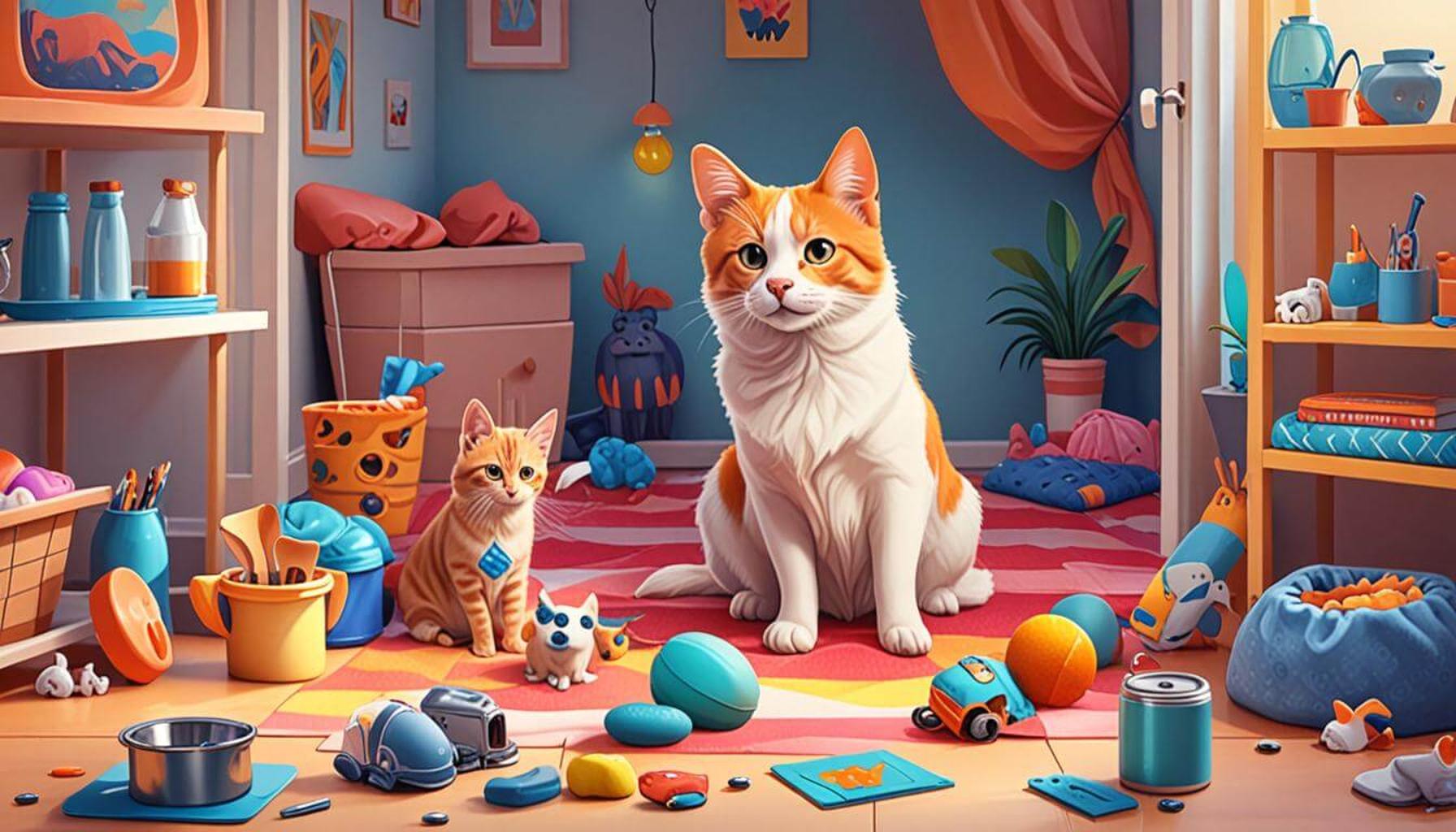
- Comfort Zones: Just like humans, pets benefit from having dedicated spaces for relaxation. Create comfort zones within your home by setting up cozy bedding in quiet areas away from the hustle and bustle. Choose toys that stimulate their senses, such as plush items for dogs or scratching posts for cats. These areas serve as a sanctuary where pets can retreat when they need solace, ultimately contributing to their emotional well-being.
- Regular Cleaning: A clean living space is vital for preventing health issues in pets. Regularly vacuuming, washing pet bedding, and disinfecting their feeding areas can help mitigate bacteria and allergens that could affect your furry friends. Establishing a cleaning routine not only promotes a pleasant atmosphere but also reinforces a sense of stability for your pets.
In addition, evaluating your pet’s individual needs is crucial. Different species and breeds have unique preferences and requirements that influence their environment. For example, larger dogs like Great Danes may require more room to roam and play, whereas small pets such as hamsters might thrive in a snug, enclosed area that provides security. It’s essential to take these nuances into account when designing their space.
Moreover, understanding common environmental stressors can help you mitigate risks. For instance, loud noises such as thunderstorms or fireworks can be extremely distressing for many pets. Creating a noise-buffering environment, perhaps by providing sound-proof areas with blankets and soft toys, can help ease their anxiety. Additionally, ensuring your home maintains a comfortable temperature — whether that means keeping it cooler during summer months or ensuring cozy heating in the winter — is essential for your pet’s comfort.
By being proactive in addressing these considerations, you can create a nurturing space that ensures your furry friends feel secure and loved. Researching your specific breed can deepen your understanding and allow you to tailor their environment to fit their needs perfectly.

In this article, we will explore effective tips that will help you create a safe sanctuary for your pets, ensuring their physical and emotional needs are met.
DIVE DEEPER: Click here to learn more about telemedicine in pet care</
Establishing a Secure Atmosphere for Your Pets
Designing a secure and nurturing environment for your pets goes beyond simple aesthetics; it incorporates their safety, comfort, and emotional well-being. One of the fundamental guidelines in this endeavor is to take into account potential hazards while ensuring your home is inviting and stimulating. Consider the following key elements that contribute significantly to developing a pet-friendly haven:
- Pet-Proofing Your Home: Before bringing a pet into your life or welcoming a new one, it’s crucial to pet-proof your home. This means identifying and removing objects that could pose risks. Common household items include chocolate and other human foods that are toxic to pets. Secure trash cans with lids that your pets cannot open and remove small items, like coins or batteries, which could be swallowed.
- Designated Play Areas: Just as children require areas to play and unleash energy, pets also thrive in spaces designed for activity. Allocate a section of your home or yard for exercise and play. Use durable toys that match your pet’s size and play style – think about sturdy chew toys for dogs and interactive feeders for cats. A safe play area encourages physical exercise and mental stimulation, reducing destructive behaviors that arise from boredom.
- Access to Fresh Water: Hydration is a cornerstone of pet health. Always ensure your furry friends have access to fresh, clean water. Consider using a pet water fountain, as many animals prefer moving water over stagnant options, leading them to drink more often.
Connecting the physical environment with emotional well-being entails paying attention to your pet’s unique characteristics and personalities. For instance, some dogs might be more anxious or skittish than others, requiring a quieter space free from commotion. Creating fortified comfort zones, like a designated crate or a resting area filled with their favorite blankets, may enhance feelings of security, promoting relaxation.
Beyond individual comfort, let’s not overlook socialization. Introducing pets to various environments, people, and other animals is critical in developing their adaptability and confidence. Supervised playdates and gradual introductions to new experiences, be it trips to pet-friendly parks or stores, help in lowering anxiety levels. This exposure can play a crucial role in building well-rounded, confident pets.
As you continue to enhance your pet’s environment, remember that regular health care is also vital. Scheduling routine vet check-ups ensures pets stay safe from illnesses and receive proper vaccinations. A healthy pet is not just a happy pet; they are also less prone to behavioral issues that may stem from discomfort or pain.
In summary, by prioritizing safety features, comfort zones, and emotional health, pet owners can create a harmonious space where pets feel loved and secure. With these foundational elements established, you can then explore additional advanced tips and personalized adjustments to further enhance your pet’s living experience.
| Safety Features | Comfort Elements |
|---|---|
| Secure Fencing | Cushioned Beds |
| Strong & Tall to Prevent Escapes | Soft Materials for Snuggly Sleep |
| Non-toxic Plants | Comfort Zones |
| Safe Natural Enclosures | Designated Relaxation Areas to Avoid Stress |
Creating a safe and comfortable environment for pets is essential to ensuring their well-being and happiness. One of the primary considerations is safety. Implementing features like secure fencing can prevent your pets from escaping while also keeping out potential dangers. Coupled with the use of non-toxic plants, you ensure a safe haven for your furry friends. Equally crucial are the comfort elements within your home. Providing fluffy, cushioned beds allows pets to rest adequately, supporting their health. Establishing designated relaxation areas not only enhances comfort but also helps pets feel secure, reducing their anxiety levels. Overall, these enhancements create an enriching environment that nurtures both safety and comfort, allowing your pets to thrive happily and healthily.
DISCOVER MORE: Click here to learn about balanced nutrition for your pet’s health
Enhancing Comfort Through Environmental Enrichment
Once the foundational elements of safety and security have been established in your home, the next step in creating a nurturing environment for your pets is to focus on environmental enrichment. Just like humans, pets require mental and sensory stimulation to thrive. A stimulating environment minimizes boredom and encourages natural behaviors, leading to happier and healthier lives. Here are some ideas to enhance your pet’s living space:
- Utilize Vertical Space: Many pets, especially cats, love to climb and explore from different heights. Installing shelves or cat trees allows them to observe their surroundings from a vantage point. For dogs, consider low ramps or sturdy furniture that gives them safe access to higher spots. Vertical space not only caters to their instincts but can also alleviate anxiety by providing a safe retreat when they feel overwhelmed.
- Interactive Toys and Puzzles: Invest in interactive toys that challenge your pets mentally. Puzzle feeders, treat-dispensing toys, and games that require problem-solving skills keep pets engaged for longer periods. Such toys not only stimulate their minds but also promote physical activity, making mealtime a rewarding experience. Studies indicate that mentally stimulated animals are less prone to behavioral issues, further validating the importance of maintaining an enriching environment.
- Varied Textures and Surfaces: Ensuring your pet experiences a variety of textures in their living space can promote comfort. Incorporate different surfaces such as soft blankets, rugs, and even scratching posts for cats. For dogs, provide various bedding materials that offer options for lounging and resting. These variations can significantly affect their mood and overall satisfaction with their environment.
Additionally, consider the scent environment. Pets have heightened senses, especially when it comes to smell. Introducing safe scents through natural dog-friendly herbs (such as lavender) or using scented calming sprays can instill a sense of relaxation. Conversely, keep harmful chemical fragrances or strong cleaning solutions away, as these can irritate their sensitive noses and lead to stress.
Outdoor Safety and Adventure
For many pets, the outdoors is a significant part of their world. Ensuring that your outdoor space is a safe haven is essential. Create secure fencing options to prevent escape, and examine your yard for any potential hazards like sharp objects or toxic plants. Common plants to avoid include azaleas, lilies, and oleander, as these can be highly toxic to pets if ingested.
Furthermore, consider providing shade and shelter in your outdoor area. Pet houses or shaded decks allow pets to enjoy the outdoors comfortably, protecting them from extreme weather conditions. During the hotter months, it’s essential to monitor their time outside, ensuring they have constant access to water and a cool place to rest.
Exploring with your pet can also greatly enhance their quality of life. Scheduled outings to local parks, beaches, or hiking trails—keeping safety gear like leashes or harnesses in mind—provides not only physical exercise but also mental stimulation as they explore new sights and smells. Ensure that your pet is well-socialized with other animals and people, as this can enhance their confidence and adaptability.
Incorporating both functional safety measures and creative enrichment approaches will foster a nurturing environment for your furry friends. By doing so, you help ensure that their home is not just a shelter, but a true haven of comfort and joy.
DISCOVER MORE: Click here to learn about the importance of balanced nutrition for your pet’s health
Final Thoughts on Crafting Safe and Cozy Spaces for Your Pets
Creating a safe and comfortable environment for pets is more than just a responsibility; it is a commitment to their well-being and happiness. By thoughtfully considering both safety measures and the need for environmental enrichment, pet owners can transform their homes into nurturing sanctuaries. From utilizing vertical spaces and providing interactive toys to ensuring varied textures for comfort, every detail contributes to a pet’s quality of life.
Moreover, incorporating elements such as a safe outdoor area with adequate shelter and shade not only keeps pets secure but also allows them to enjoy the joys of nature. Regular outings, where safety gear is prioritized, can foster adventure and discovery, enriching your pet’s sensory experiences. These interactions promote social skills and emotional health while enhancing the bond you share with your furry companions.
Furthermore, understanding that pets thrive in environments tailored to their needs is crucial. Paying attention to their behavioral cues and adapting the space accordingly is part of being a responsible pet parent. Keep exploring new ideas and solutions, whether it’s introducing calming scents or innovative toys, as this ongoing effort will contribute significantly to their happiness and well-being.
Ultimately, a safe and comfortable environment is not just about physical space; it’s about fostering love, security, and joy. By implementing these tips, you’ll be setting your pets up for a fulfilling and enriching life. After all, when our pets are happy, we experience that happiness in return.