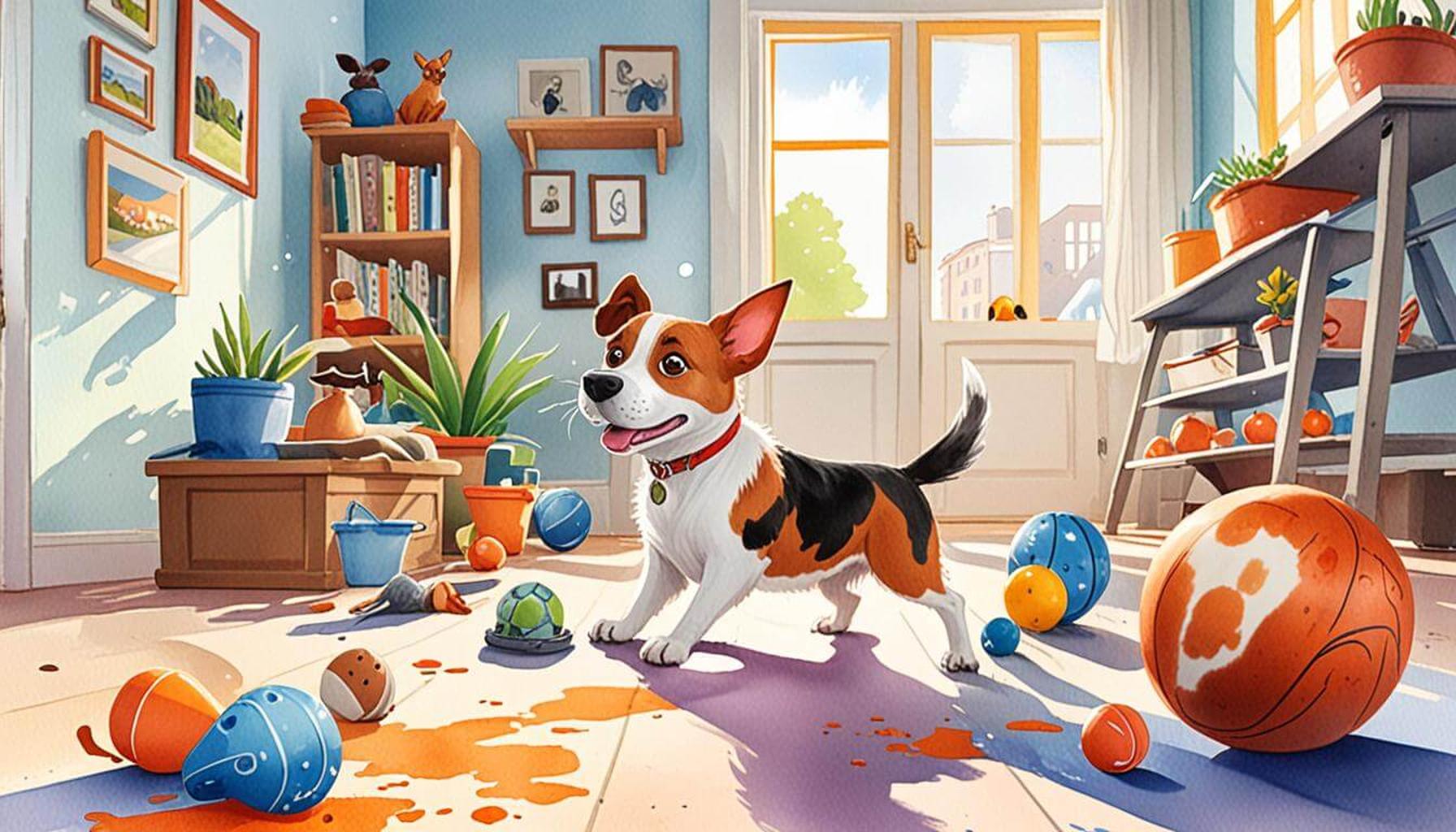
The Importance of Environmental Enrichment for Pet Well-Being

Understanding Environmental Enrichment
In today’s fast-paced world, pets often find themselves living in environments that lack stimulation. This lack of stimulation can lead to a range of behavioral issues and health problems. Environmental enrichment plays a crucial role in enhancing the well-being of pets, offering them not just a habitat, but a vibrant ecosystem to thrive in.
What is Environmental Enrichment?
Simply put, environmental enrichment involves enhancing a pet’s surroundings to promote mental and physical engagement. This approach can include a variety of activities and items designed to keep pets active and alert. Consider the following aspects:
- Interactive Toys: Puzzle feeders, for instance, not only slow down eating habits but challenge pets to think critically while they work to uncover treats. They can be filled with kibble or small portions of their favorite food, thus transforming mealtime into an engaging game.
- Varied Spaces: Providing climbing structures for cats or safe exploration areas for dogs encourages natural behaviors like climbing, jumping, and sniffing around. Some dog owners are even building agility courses in their backyards, allowing their pets to navigate obstacles, which can enhance their physical skills and mentally stimulate them.
- Social Interaction: Regular playdates, engaging in structured activities, or simply spending quality time with family members can foster companionship, reducing feelings of loneliness that pets may experience when left alone.
The Benefits of Enrichment
By meeting the psychological needs of pets, environmental enrichment can lead to positive outcomes. Here are some benefits that pet owners should consider:
- Reduced Stress and Anxiety: Engaged pets are often calmer and less prone to destructive behaviors. Enhanced surroundings provide a sense of security and purpose.
- Improved Health: Increased physical activity contributes to better overall health. Regular engagement can help prevent obesity, manage weight, and reduce the risk of health problems often seen in sedentary pets.
- Enhanced Training: Activities designed for enrichment can reinforce positive behaviors. For example, using toys to engage pets during training sessions can make learning more enjoyable, thus fostering a stronger bond between the pet and owner.
Incorporating these practices into your pet’s daily routine can transform mere existence into a fulfilling life. Simple changes—such as rotating toys to keep interest fresh or introducing new scents through outdoor walks—can lead to profound effects on your pet’s happiness. As more pet owners in the United States recognize the significance of environmental enrichment, we can look forward to healthier, happier pets enjoying lifestyles tailored to their inherent needs. Engaging with your pet through enrichment activities not only enhances their lives but also cultivates an enduring bond that enriches the lives of both pets and owners alike.
DISCOVER MORE: Click here to learn about essential nutrients for your pets

Creating a Rich Environment for Your Pet
To fully appreciate the value of environmental enrichment, it is essential to recognize that pets, whether dogs, cats, or any other animal, have inherent needs that extend beyond basic food, water, and shelter. Pets are naturally curious creatures, requiring stimulation and interaction to thrive. Fulfilling these needs can lead to a happier, healthier, and more well-adjusted pet. Therefore, it’s vital for pet owners to actively engage with enriching their pet’s environment in various ways.
Types of Environmental Enrichment
Environmental enrichment can be broadly categorized into several types, each designed to stimulate different aspects of a pet’s physical and mental faculties. By engaging in these diverse activities, pet owners can create a more vibrant environment that caters to their pet’s specific needs:
- Physical Enrichment: This involves providing opportunities for physical activity. For dogs, daily walks, runs, or fetch games in safe and open spaces are essential. Cats often benefit from vertical spaces, such as cat trees or shelves, where they can climb and observe their surroundings. Engaging in these activities can help prevent obesity and promote a healthy weight.
- Cognitive Enrichment: Mental stimulation is just as important as physical exercise. Interactive games that challenge a pet’s problem-solving skills—like treat-dispensing toys or hide-and-seek games—can keep their minds sharp. Training sessions that introduce new commands or tricks can also be rewarding, reinforcing good behavior while providing mental challenges.
- Social Enrichment: Many pets thrive on interaction with humans and other animals. Facilitating regular playdates, whether with other pets or family members, provides the socialization that is crucial for well-being. Structured activities such as agility training classes or doggy daycare can also serve as excellent platforms for social enrichment.
- Sensory Enrichment: Pets learn and explore their worlds through their senses, and incorporating different scents, textures, and sounds into their environment can boost their morale. For instance, offering a variety of toys with different textures or introducing safe outdoor experiences—like hiking in nature—can add excitement and novelty.
Enriching an environment is not merely about adding new items; it’s about creating a nurturing atmosphere that taps into a pet’s natural instincts. For example, providing a safe area for digging or exploration for dogs, or a variety of perches with varying heights for cats, can allow them to express their natural behaviors. This approach not only enhances a pet’s life but also strengthens the bond between pet and owner, as shared activities become opportunities for connection and joy.
As research into pet behavior and psychology continues to evolve, the understanding of environmental enrichment is becoming a fundamental aspect of pet ownership education. With millions of households in the United States sharing their lives with pets, recognizing and implementing these practices can lead to a paradigm shift in how we care for our animal companions. Providing an enriching environment ultimately translates into the well-being of our furry friends, enhancing their quality of life and ensuring they live happy, fulfilling lives.
| Advantage | Description |
|---|---|
| Improves Mental Stimulation | Environmental enrichment provides mental challenges, preventing cognitive decline in pets. |
| Reduces Stress and Anxiety | Enriched environments allow pets to explore and satisfy their natural instincts, thus lowering stress levels. |
| Encourages Physical Activity | Offering diverse experiences encourages pets to engage in more physical activities, leading to healthier lifestyles. |
| Strengthens Bonding with Owners | Participating in enrichment activities can enhance the human-animal bond, improving overall pet happiness. |
Environmental enrichment is essential for enhancing the lives of pets, whether they are cats, dogs, or other animals. Interactions with various sensory stimuli—such as textures, sounds, and smells—create a dynamic environment that captures their attention. The importance of integrating these enriching elements in their daily routines cannot be overstated. Innovations like puzzle toys, interactive feeders, and outdoor explorations allow pets to stimulate their minds and bodies.Furthermore, studies have indicated that pets living in stimulating environments exhibit fewer behavioral issues. This reduction in disruptive behavior demonstrates that proper enrichment impacts both pets and their owners positively. By focusing on environmental enrichment, pet guardians can promote a happy, healthy, and fulfilling life for their beloved companions, leading to increased vitality and overall well-being.
DISCOVER MORE: Click here to learn about the benefits of preventive medicine
The Benefits of Environmental Enrichment for Pets
Investing time and resources into environmental enrichment can yield numerous benefits for pets, significantly improving their quality of life. Studies have shown that enriched environments can lead to reductions in behavioral problems, anxiety, and stress-related illnesses. A well-thought-out enrichment strategy can transform a pet’s life, addressing typical issues such as boredom, destructive behavior, and anxiety.
Behavioral Improvements
Behavioral issues in pets often stem from a lack of stimulation. Dogs that are left alone without engaging activities can develop anxiety and exhibit negative behaviors such as excessive barking or chewing on furniture. Similarly, indoor cats may resort to destructive play when they are bored. By providing a variety of enrichment activities, pet owners can help curtail these issues before they escalate. For instance, introducing puzzle feeders for dogs can keep them busy and mentally engaged, while rotating toys for cats can retain their interest and stimulate their natural hunting instincts.
Promoting Physical Health
Regular physical activity is crucial for the health of pets. Dogs require exercise to maintain a healthy weight and avoid obesity, which has become a prevalent issue in the United States. According to the Association for Pet Obesity Prevention, over 50% of dogs are classified as overweight or obese. Environmental enrichment plays a pivotal role in combating this epidemic. Incorporating obstacle courses in the backyard or attending dog parks encourages active play and social interaction. For cats, engaging them in vigorous play with feather wands or laser pointers simulates the chase, offering much-needed cardiovascular benefits.
Cognitive Development through Enrichment
The cognitive aspect of environmental enrichment is equally vital in ensuring your pet’s well-being. Enriching activities stimulate the brain, improving both memory and intelligence. Research has shown that animals given opportunities for mental challenges display enhanced problem-solving abilities and emotional resilience. For example, training your dog using clicker training encourages them to think critically while strengthening the pet-owner bond. For cats, interactive toys require them to use their instincts and sharp hunting skills, making it an excellent way to enhance their brain function.
Long-Term Mental Well-Being
Environmental enrichment is not a mere luxury but a necessity with profound implications for the long-term mental health of pets. Pets that experience consistent, engaging environments are more emotionally stable and less prone to depression and anxiety. For instance, a study published in the journal Animal Cognition highlights that dogs who engage in a variety of activities exhibit fewer symptoms of separation anxiety. Furthermore, social interactions—whether with humans or other animals—are crucial for preventing loneliness and boredom, which can manifest in destructive behaviors.
Pet owners should remain vigilant in adapting their enrichment strategies to fit individual pet needs. Understanding a pet’s unique preferences and interests can ensure a continuously stimulating environment. Keeping pets engaged mentally and physically helps build a foundation for a happy and fulfilling life. The world of environmental enrichment is continually evolving, offering fresh ideas for enhancing the lives of pets. By embracing these practices, owners can better nurture their beloved companions, leading to the utmost well-being for their furry friends.
LEARN MORE: Click here for essential nutrients and supplements for your pets
Conclusion
In conclusion, the significance of environmental enrichment for pet well-being cannot be overstated. By actively engaging our pets through diverse and stimulating activities, we dramatically enhance their quality of life and fortify their emotional and physical health. From reducing anxiety and troublesome behaviors to fostering cognitive growth and physical fitness, the multiple benefits of enrichment create a ripple effect that improves not only the lives of pets but also their owners.
The evolution of enrichment strategies—from interactive toys to social playdates—encourages pet owners to think creatively about how they can provide a *fulfilling environment for their furry companions*. As our understanding of animal behavior grows, so does the need to tailor enrichment activities that cater to each pet’s unique preferences and needs. Conducting simple observations of your pet’s interactions can lead to innovative ways to stimulate their minds and bodies.
Given the concerns surrounding pet obesity and behavioral issues prevalent today, embracing environmental enrichment is more critical than ever. In the United States alone, an alarming number of pets face challenges that stem from lack of stimulation, making it imperative that responsible pet ownership includes a commitment to enrichment. By taking the time to immerse our pets in vibrant and engaging experiences, we set the stage for healthier, happier lives that resonate through each tail wag and soft purr. Therefore, let us all take a step forward in enhancing our pets’ well-being through meaningful enrichment, fostering not just better pets, but truly fulfilling relationships as well.