
The Importance of Dental Health in Pets: Care and Prevention
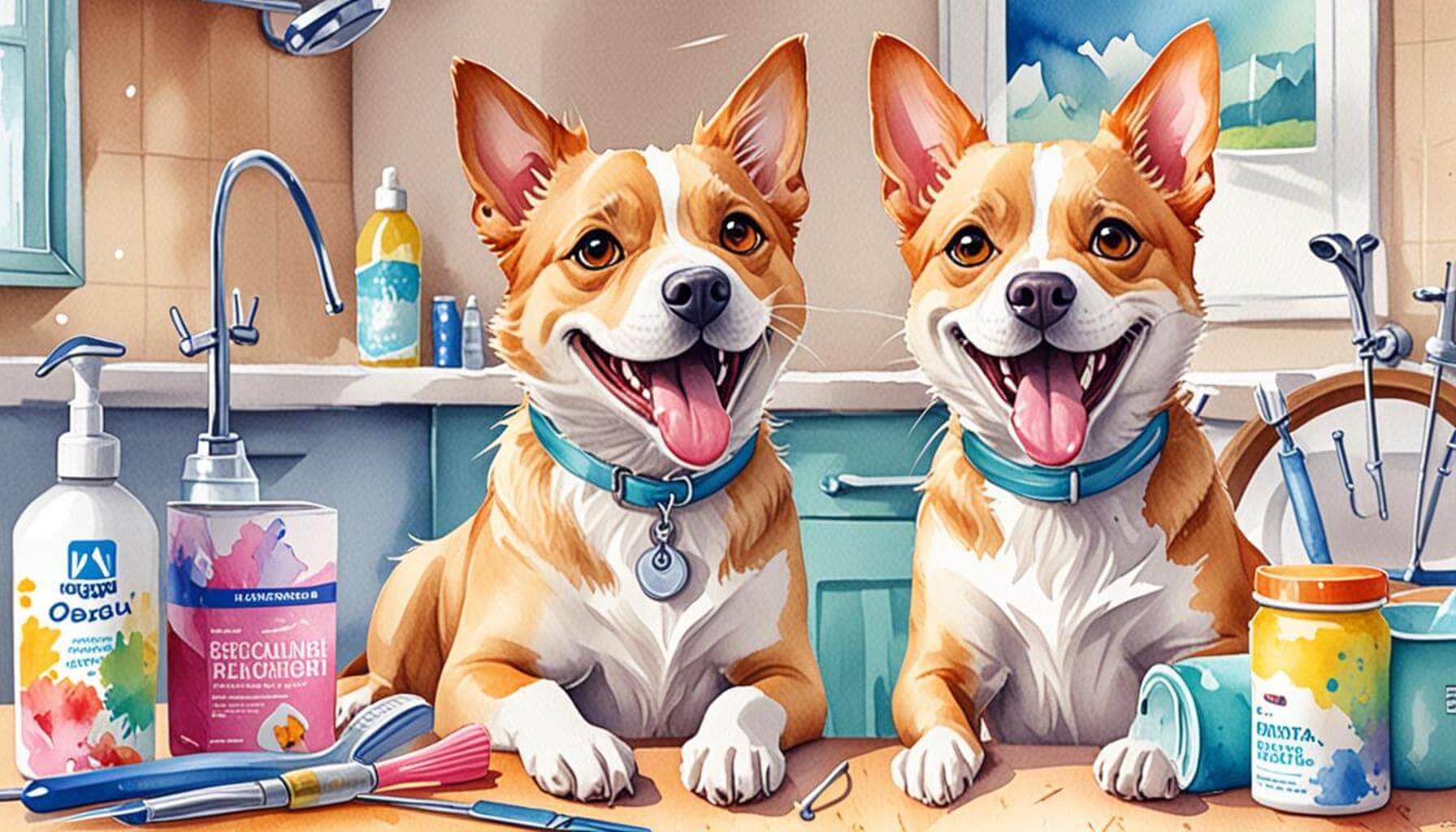
Understanding Dental Health in Pets
Just like humans, pets require regular dental care to maintain their overall health. Neglecting oral hygiene can lead to serious issues that not only affect their teeth but also their vital organs. The statistics are alarming; it’s estimated that around 80% of dogs and 70% of cats show signs of dental disease by age three. This staggering number highlights the need for pet owners to prioritize their furry friend’s dental health from an early age.
The Consequences of Poor Dental Hygiene
Dental neglect can lead to various health problems, including:
- Periodontal disease: This is a prevalent issue affecting the gums and surrounding tissues. It can start with gingivitis and progress to more severe conditions, leading to receding gums and exposure of the tooth roots.
- Tooth loss: Missing teeth can significantly impact a pet’s ability to eat and enjoy food, leading to nutritional deficiencies and behavioral changes due to ongoing discomfort.
- Systemic infections: The risk of bacteria from dental disease entering the bloodstream can cause serious complications, affecting organs such as the heart, liver, and kidneys. In severe cases, this can lead to life-threatening infections like endocarditis, where the heart valves become infected.
Essential Dental Care Practices
Ensuring optimal dental health involves simple yet effective care practices:
- Regular brushing: Aim for at least 2-3 times a week using pet-safe toothpaste. Establishing a routine early can make dental brushing a familiar and stress-free part of your pet’s life.
- Professional cleanings: Annual check-ups from a veterinarian are crucial for detecting and treating issues early. Many veterinarians recommend dental cleanings that may involve anesthesia, ensuring a thorough cleaning that removes plaque and tartar buildup.
- Appropriate chew toys: These can aid in reducing plaque buildup. Look for toys that are specifically designed for dental health, which can help in removing food particles and stimulating gums.
By prioritizing dental health, you can significantly enhance your pet’s quality of life and prevent costly health problems down the line. For instance, untreated dental disease not only affects your pet’s health but can also lead to expensive veterinary bills that can be avoided with preventive care. Understanding these basics sets the stage for a commitment to care and prevention that benefits both you and your furry family members.
Additionally, many pet owners overlook the importance of diet in maintaining oral hygiene. Feeding pets high-quality kibble designed to support dental health can contribute to cleaner teeth. Consider supplements or treats that are specifically formulated to promote oral health and reduce plaque.
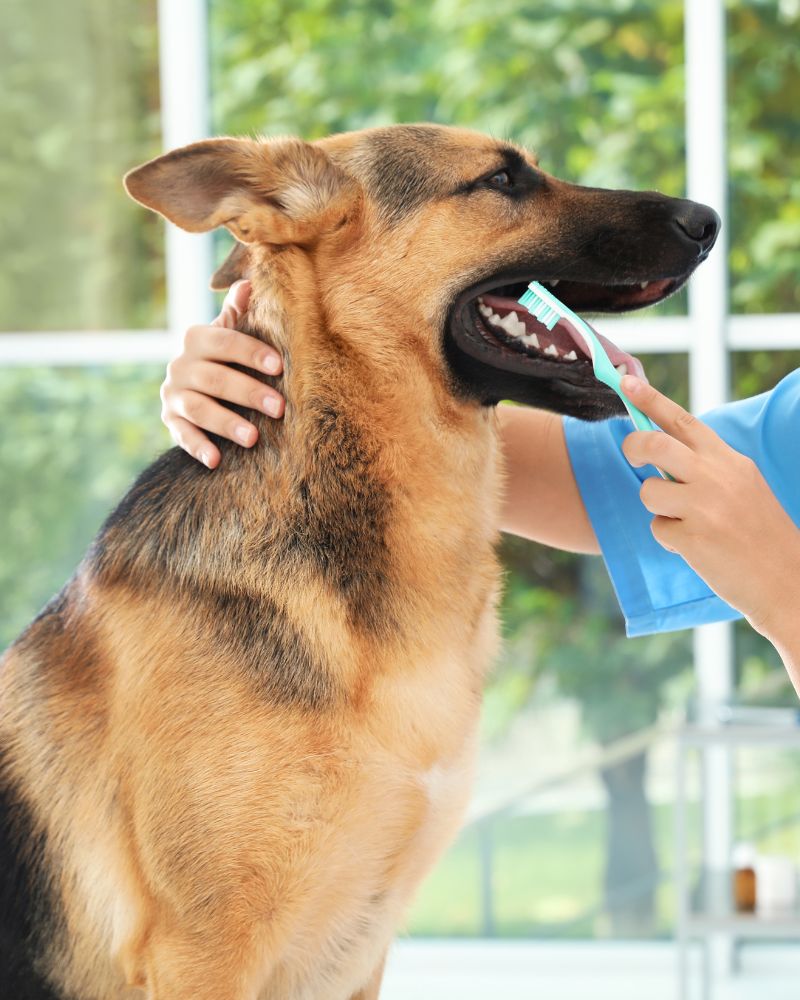
In conclusion, the relationship between dental hygiene and overall health in pets is profound. By implementing effective dental care practices, you not only enhance your pet’s daily comfort but also potentially extend their lifespan. It’s an investment in their well-being that every responsible pet owner should make.
DIVE DEEPER: Click here to learn more about natural feeding for pets
Recognizing the Signs of Dental Issues
As a conscientious pet owner, it is crucial to be vigilant and aware of the subtle signs that may indicate dental problems in your furry friends. Early detection can make a significant difference in the outcome of treatment and overall health. Pet owners should familiarize themselves with the common signs of dental distress, which often include:
- Bad breath: While slight odors can be normal, persistent bad breath may indicate underlying dental disease or decay.
- Changes in eating habits: If your pet suddenly becomes picky or seems reluctant to chew or eat, this can be a sign of dental discomfort.
- Drooling or pawing at the mouth: Excessive drooling and pawing can signal irritation or pain in the oral cavity.
- Loose or discolored teeth: Regularly check your pet’s mouth for any teeth that appear loose or have changed color; these can be signs of serious dental issues.
- Swollen or bleeding gums: Healthy gums should be firm and pink; swollen, red, or bleeding gums can indicate gingivitis or periodontal disease.
Being mindful of these symptoms and addressing them with your veterinarian promptly can save your pet from unnecessary discomfort and potential health risks. Regular dental examinations are a key component in maintaining your pet’s oral health. Routine vet visits provide opportunities for professional evaluations that can catch developing issues before they escalate into significant health concerns.
The Role of Nutrition in Dental Health
Nutritional choices greatly impact your pet’s dental hygiene. A balanced diet not only supports overall well-being but can also contribute to stronger teeth and healthier gums. Consider these dietary tips to enhance dental health:
- Dental-specific diets: Some brands offer dog and cat food formulated to help reduce plaque and tartar build-up. Look for options labeled “dental health” or “tartar control.”
- Raw fruits and vegetables: Incorporating crunchy fruits and veggies like carrots or apple slices can help in naturally cleaning teeth while providing essential nutrients.
- Water additives: There are special solutions available that can be added to your pet’s water to help reduce plaque and improve oral health.
While proper nutrition plays a substantial role in supporting your pet’s dental health, it is clear that it should complement, not replace, other dental care practices. The right combination of a nutritious diet, regular veterinary check-ups, and diligent home care can set the stage for a lifetime of healthy teeth and gums.
Ultimately, understanding the intricacies of maintaining your pet’s dental health opens the door to improved quality of life. Preventative measures and being proactive about dental care can mean the difference between a thriving, happy pet and one suffering from the consequences of neglect.
When it comes to our beloved pets, ensuring dental health is often overlooked by many pet owners. Just like humans, pets can suffer from various dental diseases, which can lead to serious health issues if not addressed promptly. Understanding the significance of proper dental care can enhance your pet’s quality of life immensely. This is why it’s imperative to make regular dental check-ups a part of your pet’s routine healthcare.
First and foremost, regular dental cleanings can prevent plaque buildup, which, if left unchecked, hardens into tartar and can lead to periodontal disease. Periodontal disease not only affects your pet’s mouth but can also lead to systemic health issues, such as heart disease and kidney problems. Researchers have found that pets with poor dental hygiene often experience a decline in overall health, which can drastically shorten their lifespan.
Moreover, a healthy mouth leads to a healthier appetite. Pets suffering from dental problems may hesitate to eat due to pain or discomfort, impacting their nutrition. By maintaining good dental health, you help your pet enjoy their meals without any hesitation, ensuring they receive the essential nutrients required for their overall well-being.
It’s also essential to introduce your pet to dental care products early on. There are numerous products available, such as dental chews, special toothpaste, and even toys designed to promote healthy teeth and gums. Utilizing these geared products can foster a routine that your pet will become accustomed to, reducing the likelihood of dental challenges in the future.
Furthermore, educating yourself on the signs of dental discomfort or disease can aid in early detection. If your pet exhibits symptoms such as bad breath, difficulty eating, or swollen gums, it’s a sign that veterinary intervention is required. Regularly scheduled vet visits should include dental check-ups to catch any issues before they escalate.
As pet owners, it’s our responsibility to take proactive steps in promoting dental health. Investing time into the dental care of your pets can not only prevent painful health conditions but will also enhance their overall happiness and longevity. Remember, healthy teeth lead to happier, more active pets—ensuring they can live their best lives by your side.
DISCOVER MORE: Click here for insights on pet adoption networks
The Benefits of Regular Dental Care
Just as with humans, maintaining regular dental care for pets can significantly enhance their overall health and well-being. An ongoing dental care regimen, including preventative measures like brushing, chew toys, and professional cleanings, can lead to a multitude of benefits that extend far beyond just fresh breath.
- Prevention of serious health issues: One of the most compelling reasons for prioritizing dental health is the prevention of systemic diseases. Bacteria from periodontal disease can enter the bloodstream, potentially affecting vital organs such as the heart, liver, and kidneys. Regular dental care helps mitigate this risk.
- Improved quality of life: Pets with healthy teeth and gums are generally more playful and active. They experience less discomfort when eating and are less likely to suffer from chronic pain, allowing them to enjoy life to the fullest.
- Cost-effective health management: Investing in dental care now can save pet owners costly veterinary bills later. Treating advanced dental diseases often involves expensive surgical procedures and long recovery times that could have been avoided with routine preventative care.
In the United States, a staggering number of pets suffer from dental issues that could easily be prevented. According to the American Veterinary Medical Association, approximately 80% of dogs and 70% of cats show signs of dental disease by the age of three. These figures highlight the critical need for pet owners to take responsibility for their furry friends’ dental hygiene.
Home Care Strategies for Optimal Dental Health
While professional care is essential, pet owners play a significant role in their pets’ dental health through home care practices. Here are some effective strategies that can easily be incorporated into routine care:
- Daily tooth brushing: Just like humans, pets benefit from regular tooth brushing. Use pet-safe toothpaste and an appropriate toothbrush to brush your pet’s teeth at least a few times a week, ideally every day.
- Dental treats and chews: Many pet stores offer specially formulated treats designed to reduce plaque. These treats can help maintain dental health while satisfying your pet’s natural urge to chew.
- Interactive toys: Rubber toys and dental ropes can promote chewing and massage the gums, stimulating saliva production, which naturally helps in cleaning teeth and freshening breath.
Additionally, incorporating oral care into your pet’s routine is just as crucial as physical exercise and proper nutrition. Understanding that dental care goes hand-in-hand with overall health can encourage pet owners to remain proactive about their pets’ oral hygiene.
Ultimately, good dental practices don’t just enhance your pet’s smile; they foster healthier lives and happier relationships between pets and their owners. Therefore, recognizing the importance of dental health, addressing issues as they arise, and implementing regular care protocols can lead to a more fulfilling life for pets, filled with joy and vitality.
DIVE DEEPER: Click here to learn more about essential nutrients
Conclusion: Prioritizing Your Pet’s Dental Health
In conclusion, the significance of dental health in pets cannot be overstated. As we have examined, neglecting this vital aspect of pet care can lead to far-reaching consequences, impacting not only the mouth but also the overall well-being of our beloved companions. With a staggering 80% of dogs and 70% of cats showcasing signs of dental disease by just three years of age, it is imperative for pet owners to take action sooner rather than later.
By implementing simple yet effective home care practices, such as daily tooth brushing, providing dental treats, and engaging with interactive toys, pet owners can take proactive steps toward maintaining their pets’ oral health. These routines not only prevent costly veterinary interventions but also enhance your pet’s quality of life, allowing them to enjoy their daily activities without the hindrance of dental discomfort.
Moreover, it is essential to recognize that dental health is intrinsically linked to overall health, with potential systemic repercussions that can affect vital organs. Therefore, regular veterinary check-ups and professional cleanings should be a part of every pet owner’s approach to ensuring optimal health. Ultimately, nurturing your pet’s dental hygiene fosters a stronger bond between pet and owner, contributing to happier and healthier lives.
By prioritizing preventative dental care, you can make informed decisions that lead to a lifetime of health for your furry friend. So, take a moment today to reflect on your pet’s dental habits; a little effort can lead to a lifetime of benefits.