The Role of Veterinarians in the Mental Health of Pets

The Importance of Veterinary Involvement in Pet Mental Health
Pets have become integral members of many American families, providing not just companionship but also emotional support. The profound bond shared between humans and their pets can have remarkable effects on mental health, significantly alleviating anxiety and depression in their owners. However, this connection demands reciprocal care, particularly when pets themselves face psychological challenges. As the incidence of mental health issues rises in both humans and animals, the role of veterinarians becomes exceptionally crucial in addressing the mental health of pets.
Veterinarians serve a multifaceted role that extends well beyond traditional physical care. Among their critical responsibilities is behavioral assessments. This involves identifying signs of stress or anxiety in pets—often expressed through behaviors like excessive barking, destructive chewing, or withdrawal. For example, a dog that never begged for attention suddenly becomes clingy or anxious at the slightest sound may be experiencing stress. Regular evaluations can lead to early interventions, allowing pet owners to adjust routines or environments to better suit their pet’s needs.
In addition to behavioral assessments, veterinarians also take on the responsibility of providing resources to owners. They offer invaluable guidance on creating a mentally stimulating environment for pets. For instance, veterinarians may suggest various enrichment activities such as puzzle toys for dogs or vertical space for cats, which can alleviate boredom and prevent anxiety. Moreover, they might recommend engaging with services like dog training classes or socialization groups that promote healthy interaction with other animals, essential for a pet’s social development.
Another critical aspect of a veterinarian’s role is preventive care. Regular check-ups not only monitor physical health but also help avert potential psychological issues stemming from unaddressed physical discomfort or pain. Vaccinations, dental care, and proper nutrition can influence a pet’s overall mood and behavior. Indeed, the state of a pet’s physical health can have a direct link to its mental well-being; chronic illness can lead to anxiety and depression, making veterinary oversight vital.
The challenge of pet anxiety disorders has gained heightened visibility in the U.S., with studies indicating that around 30% of pets exhibit behavioral issues. This statistic underscores the vital connection between veterinary medicine and mental health. In response to such issues, veterinarians are now integrating behavioral health into their practices, often collaborating with pet owners to find holistic solutions that encompass both medical and emotional support. This approach not only enhances the quality of life for pets but also leads to deeper, more harmonious relationships with their human companions.

Ultimately, as advocates for both physical and psychological well-being, veterinarians play an essential role in the tapestry of pet care. Their expertise can lead to a better quality of life for animals, thereby fostering happier, healthier companions for families across the country. As awareness of these issues continues to grow, the relationship between veterinarians and mental health will likely evolve, offering even more robust support systems for pets in need.
DISCOVER MORE: Click here for valuable insights
Understanding Pet Behavioral Issues and Veterinary Intervention
As more pet owners acknowledge the impact of mental health on their furry companions, veterinarians are emerging as essential players in paving the way for holistic pet care. Understanding that many pets experience behavioral issues, such as aggression, fearfulness, or compulsive behaviors, is the first step toward seeking help. It’s crucial for pet owners to recognize early warning signs in their pets’ behavior, signaling a need for intervention. Common indications may include:
- Excessive barking or whining: These vocalizations can indicate anxiety or distress.
- Destructive behavior: Chewing furniture or other items in the home often reflects a pet’s stress or boredom.
- Withdrawal or hiding: A pet that suddenly isolates itself may be struggling with emotional challenges.
- Changes in eating or sleeping patterns: Deviations from a pet’s norm, such as lack of appetite or excessive sleeping, can signal deeper issues.
Once signs of distress are identified, veterinarians play a pivotal role in conducting a comprehensive behavioral assessment. This process may include discussions about a pet’s history, changes in environment, and any physical health issues that could be contributing to behavioral changes. By examining these factors thoroughly, veterinarians can formulate tailored strategies that may include behavioral modifications, dietary adjustments, or, in some cases, medication to help alleviate anxiety.
The growing awareness of the importance of mental health in pets is encouraging more veterinarians to pursue additional training in veterinary behavioral science. This enhanced knowledge enables them to not only diagnose psychological conditions but also to implement treatments that can significantly improve a pet’s quality of life. For example, techniques such as desensitization and counter-conditioning can be employed to help pets overcome fears or phobias, while routine behavioral therapy can address issues such as aggression or separation anxiety.
Furthermore, veterinarians often act as a bridge between pet owners and the wealth of information available regarding pet mental health. In recent years, many veterinary clinics have started to incorporate pet wellness resources into their practice, offering workshops and informative materials that cover topics such as stress reduction techniques and strategies for enhancing pet environments. Pet owners can benefit greatly from understanding the significance of their pet’s mental well-being, leading to a more fulfilling relationship between them and their animals.
Involvement in veterinary care not only enhances physical wellness but also opens the doors for improved emotional health. By recognizing the fluctuating behavioral patterns and seeking professional intervention, pet owners play an integral role in supporting their companions’ mental health. As society continues to shift its perspective on the emotional needs of pets, the role of veterinarians in fostering mental well-being becomes increasingly vital, paving the way for a future where both pets and their owners thrive together.
The Role of Veterinarians in the Mental Health of Pets
Veterinarians play a crucial part in ensuring the overall well-being of pets, which significantly extends beyond physical health. This integrative approach to veterinary care includes recognizing and addressing the mental health needs of our furry companions. Understanding behavioral cues, diagnosing mental health issues, and providing suitable treatments are integral aspects of a veterinarian’s duties.
With increasing awareness about animal psychology, veterinarians are now trained to identify symptoms of anxiety, depression, and stress in pets. Behavioral problems, which can arise from various environmental and social factors, can greatly impact a pet’s quality of life. For instance, an anxiety-ridden pet may exhibit destructive behaviors or withdraw from social interactions, signaling a need for intervention.
Veterinarians utilize tools such as therapy, medications, and behavioral training to help manage these conditions. They often collaborate with pet owners, educating them on effective techniques to create a nurturing environment. This partnership fosters strong emotional support, essential for the mental well-being of pets.
The role of a veterinarian transcends medical treatment; it includes being a source of support for pet owners, who often feel distressed when witnessing their pets’ struggles. By promoting best practices and preventative measures, veterinarians empower owners to take proactive steps towards their pets’ mental health. As the conversation surrounding animal welfare evolves, the veterinary community is increasingly positioned at the forefront of mental health advocacy for pets.
To further explore how veterinarians contribute to the mental health of pets, consider the following table summarizing some key advantages:
| Category | Details |
|---|---|
| Assessment of Behavioral Issues | Veterinarians can diagnose anxiety and stress-related behaviors. |
| Holistic Treatment Plans | They provide comprehensive solutions including therapy and lifestyle adjustments. |
This information underscores the importance of seeking veterinary guidance when witnessed concerning behavioral changes in pets. A proactive approach not only enhances the pet’s happiness and well-being but strengthens the bond between pets and their owners.
DON’T MISS OUT: Click here to learn about essential nutrients for your pets
Collaboration Between Veterinarians and Pet Owners
The symbiotic relationship between veterinarians and pet owners is fundamental in addressing mental health challenges that pets face. Communication and collaboration foster an environment where pets can thrive emotionally and behaviorally. Veterinarians often emphasize the need for pet owners to actively engage in their pets’ mental health care. This involvement not only empowers owners but also strengthens the pet-owner bond, often resulting in more successful outcomes in behavioral management and emotional well-being.
One effective initiative is the use of behavior diaries. Pet owners can document specific incidents related to their pets’ behavior, noting triggers, reactions, and any changes in routines. This valuable data can assist veterinarians in diagnosing underlying issues and crafting targeted therapies. Furthermore, veterinarians encourage pet owners to seek continuous support and keep an open line of communication. Regular check-ins can help to reassess behavioral plans and adjust strategies as necessary, providing ongoing support for both the pets and the owners.
Educational Resources and Workshops
A growing trend within veterinary practices is the incorporation of educational programs aimed at improving pet owners’ understanding of mental health in pets. Workshops focused on topics such as anxiety management and enrichment strategies have become increasingly common. This proactive approach not only directs attention to the mental well-being of pets but also equips owners with practical tools to create more stimulating environments, which can mitigate behavioral problems stemming from boredom or stress.
Moreover, materials such as pamphlets and online resources can serve as helpful guides for pet owners. Information on understanding pet body language, recognizing signs of stress, and techniques for positive reinforcement training are crucial components of these resources. By fostering a well-informed community of pet owners, veterinarians can cultivate a preventive mindset in mental health care for pets.
The Role of Telemedicine in Veterinary Behavioral Care
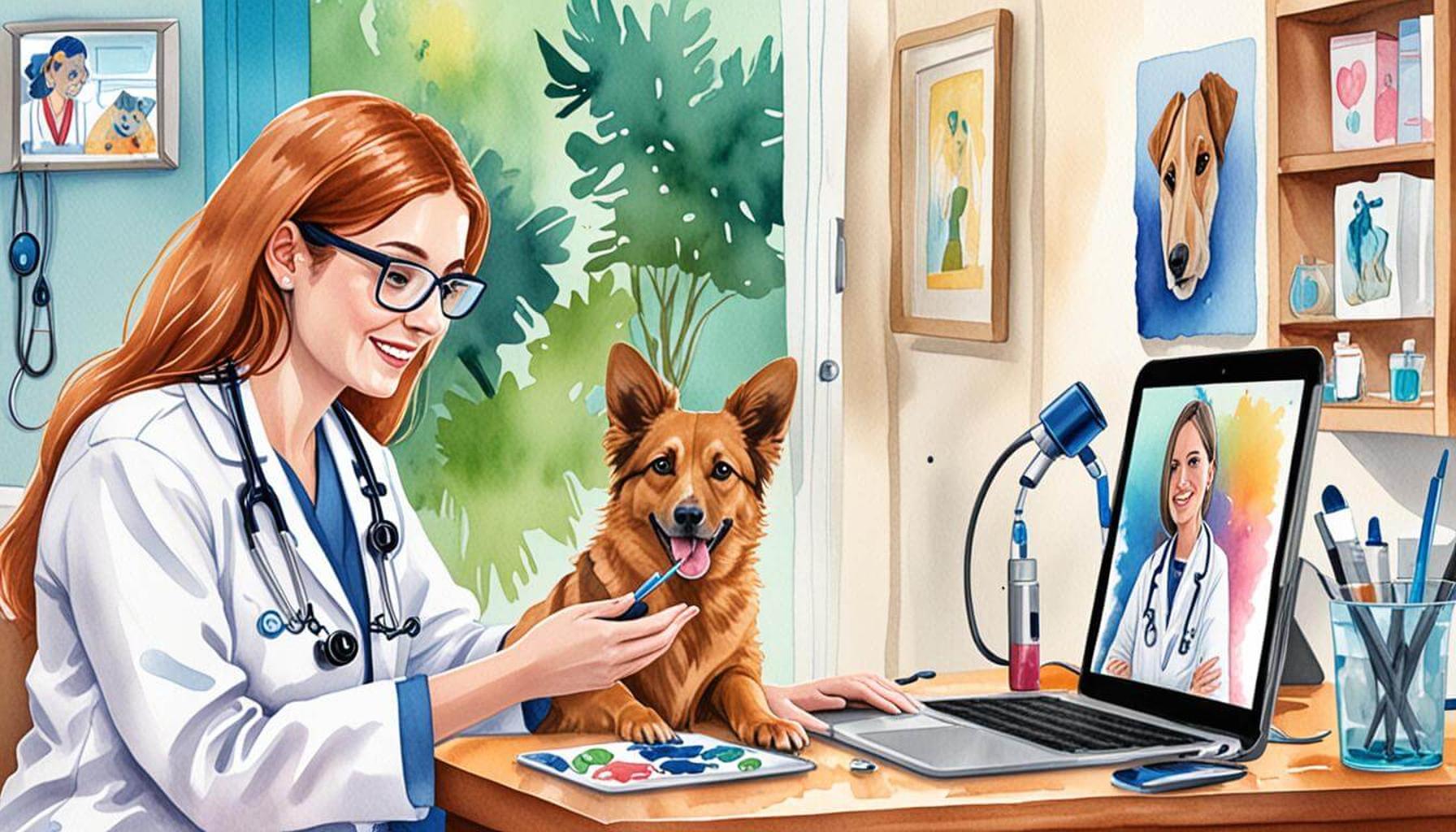
In recent years, telemedicine has emerged as a powerful tool in veterinary behavioral care. Utilizing digital platforms enables veterinarians to reach a wider audience and provide support from the comfort of home, which is particularly beneficial for pets that may be anxious in a clinical environment. Virtual consultations can allow for real-time assessments and recommendations without added stress for the animal, making it easier for owners to address mental health issues in their pets.
Telemedicine also facilitates access to specialists, providing owners with opportunities to consult with veterinary behaviorists who may possess advanced training. This collaboration lays the groundwork for comprehensive behavioral management plans that may incorporate environmental changes, training techniques, or medical interventions as deemed necessary.
Insurance Coverage and Mental Health Treatment
As pet mental health care becomes more recognized, some pet insurance providers are beginning to cover behavioral health treatments. This shift acknowledges the importance of mental health and reflects a growing understanding of the comprehensive needs of pets. Owners can now consider policies that include coverage for behavioral therapy, medications, and other interventions. This change in insurance policies not only alleviates the financial burden associated with mental health treatment but also encourages more pet owners to seek help for their furry friends.
As veterinarians continue to advocate for the mental health of pets, it is becoming increasingly clear that a multi-faceted approach, combining education, collaboration, and accessible resources, is essential for effective care. By engaging pet owners in the process, veterinarians are not just improving individual pet situations; they are also contributing to a broader cultural shift that embraces and prioritizes the mental well-being of pets across the United States.
DISCOVER MORE: Click here to learn about adoption support networks
Conclusion
In conclusion, the role of veterinarians in promoting mental health in pets is a crucial aspect of veterinary care that extends far beyond traditional medical treatments. By fostering a collaborative partnership with pet owners, veterinarians empower them to take an active role in managing their pets’ emotional well-being. This relationship is vital for recognizing behavioral signs and implementing effective strategies tailored to the unique needs of each pet.
The incorporation of educational resources and workshops enhances pet owners’ understanding of their pets’ mental health, ultimately fostering a more nurturing environment. As telemedicine becomes increasingly prevalent, access to behavioral support expands, allowing pet owners to seek help without the added stress of clinical settings. Furthermore, the movement toward insurance coverage for mental health treatments indicates a growing recognition of mental health as an integral part of pet care.
Ultimately, as we continue to prioritize the emotional needs of our pets, it is essential to recognize that their well-being is an essential element of responsible pet ownership. The proactive approaches championed by veterinarians, combined with informed and engaged pet owners, foster a brighter future for the mental health of pets. This shift not only improves the lives of pets but also nurtures the profound bond shared between animals and their caregivers, paving the way for a more compassionate and understanding society for all creatures.