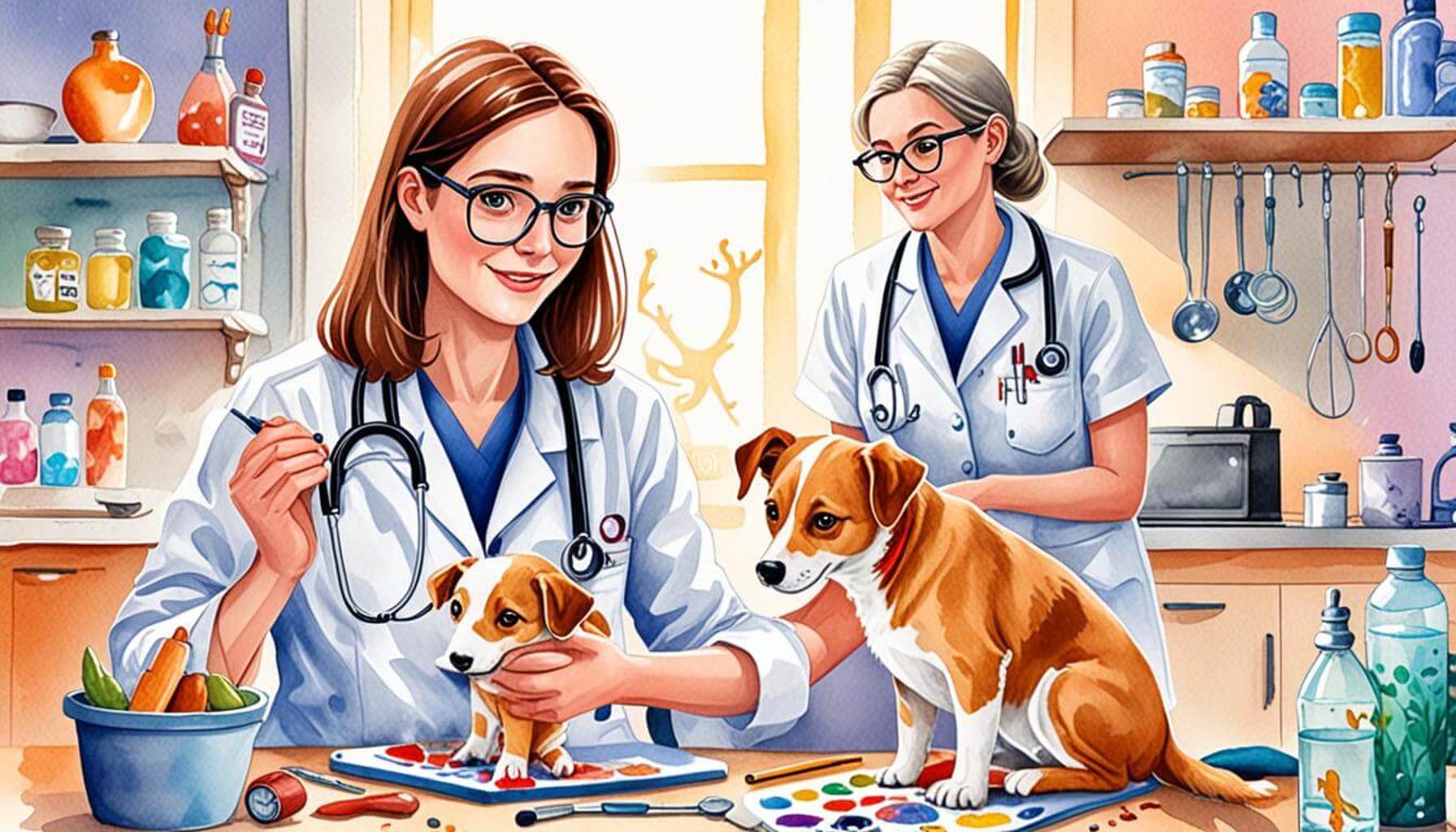
The Evolution of Mobile Veterinary Services: Convenience for Pets and Owners

The Rise of Mobile Veterinary Services
As society moves at a breakneck pace, the desire for convenience permeates even the most traditional sectors, such as veterinary care. The emergence of mobile veterinary services signifies a paradigm shift in how pet owners approach healthcare for their pets. By integrating technology and a customer-centric focus, these services bracket the well-being of our pets with the busy lives we lead.
On-Demand Visits: A Stress-Free Solution
One of the most compelling advantages of mobile veterinary services is their ability to provide on-demand visits. Imagine being able to book an appointment where a veterinarian arrives at your doorstep, equipped with all the necessary tools to provide care. This model eliminates the stress associated with transporting a nervous pet, particularly for those prone to anxiety, like cats and small dogs. The convenience of not having to navigate traffic or wait in a crowded waiting room makes this a highly attractive option for pet owners.
Personalized Care: The Home Advantage
Another significant benefit is the personalized care pets receive in their own environments. Pets often feel more secure and relaxed at home, enabling veterinarians to conduct examinations more efficiently. This familiar setting allows for a more thorough evaluation, as pets are typically more receptive and less fearful. For example, a dog that may shiver in a clinical setting may present relaxed behavior in the comfort of its living room, allowing veterinarians to obtain a more accurate health assessment.
A Broad Spectrum of Services
Mobile veterinary services are not limited to routine check-ups; they encompass a variety of services that can cater to a wide array of pet health needs. This includes vaccinations, dental cleanings, lab work, and even minor surgical procedures. With advanced diagnostic tools available in these mobile units, pet owners can receive immediate feedback on their pet’s health, minimizing the time spent worrying about test results.
The Demand for Flexibility and Accessibility
Data suggests that the demand for such flexible healthcare solutions is on the rise. Recent surveys indicate that nearly 70% of pet owners would prefer a mobile service option. This desire is not just about convenience; it also highlights a growing awareness of pet health issues and the need for timely intervention. In a country where busy lifestyles often take precedence, mobile veterinary services provide a much-needed bridge between quality care and accessibility.

A Bright Future for Veterinary Care
As we explore this trend, it becomes clear that mobile veterinary services represent more than just a convenience; they signify a vital evolution in pet healthcare. By harnessing technology and amplifying accessibility, we are witnessing the dawn of a new era for veterinary care. The emphasis on convenience, quality, and personalized service is setting a precedent for future standards in the industry. With this ongoing evolution, both pets and their owners stand to benefit, leading to better health outcomes and greater peace of mind.
DISCOVER MORE: Click here to learn essential training techniques
Transformation in Pet Care Delivery
The evolution of mobile veterinary services has transformed the way pet healthcare is delivered. This shift is not merely a trend; it reflects a profound change in consumer expectations and advancements in technology. The rise of these services offers a glimpse into a future where point-of-care veterinary service becomes the norm rather than the exception. With busy households striving to manage their commitments, mobile veterinary practices are stepping in as a viable solution that meets the demand for more accessible, quality pet care.
Technology at the Forefront
Technology has played a pivotal role in the rise of mobile veterinary services. The integration of telemedicine, portable diagnostic tools, and online appointment scheduling has made it easier than ever for veterinary professionals to reach their clients. This technological advancement not only enhances the efficiency of care but also empowers pet owners to take a proactive role in their pets’ health. For instance, a pet owner can now access their veterinarian via a video call for preliminary consultations. This offers a streamlined experience where initial inquiries can be addressed without an in-person visit.
Convenience Over Conventional Care
The convenience factor is a significant driving force behind the popularity of mobile veterinary services. Traditional veterinary clinics often require pet owners to take time off work or juggle multiple responsibilities to transport their pets. The mobile model allows for appointments during hours that are convenient for the pet owner. Some services even offer late-night or weekend appointments, catering to those who have demanding work schedules. According to a recent study, about 45% of dog and cat owners reported that they would use a mobile veterinary service if available in their area, reinforcing the necessity for flexible scheduling in pet healthcare.
A Response to Evolving Needs
Moreover, the demand for mobile services often arises from a deeper understanding of pet health needs. Some pet owners are concerned about their pets’ stress levels during trips to a veterinary clinic, while others may face difficulties due to their own mobility issues. Mobile veterinary practices are adept at addressing these concerns as they actively work to provide a more comfortable setting for both pets and their owners. Common scenarios that highlight this evolution include:
- Senior pets that may experience anxiety or discomfort during car rides.
- Clients with disabilities or those without transportation options who find it challenging to visit a clinic.
- Multiple pets requiring simultaneous care, where transporting all can be cumbersome.
In addressing these various needs, mobile veterinary services are breaking down barriers and dismantling obstacles to ensure that every pet receives the attention they deserve, no matter the circumstances surrounding them.
Building Trust and Relationships
Another noteworthy aspect of mobile veterinary services is their capacity to foster stronger relationships between veterinarians and pet owners. In a traditional setting, the brief clinic visits can sometimes lead to a lack of continuity in care. However, by providing care in a familiar environment, veterinarians can spend more time with both the pets and their owners. This not only leads to better communication but also enables veterinary professionals to gather valuable insights about the pet’s behavior and health over continuous interactions, ultimately leading to better-informed treatment plans.
| Advantages | Details |
|---|---|
| Increased Accessibility | Mobile veterinary services bring healthcare directly to pet owners, eliminating travel concerns and stress for both pets and their humans. |
| Personalized Care | Veterinarians can provide more focused attention in the familiar environment of the pet’s home, fostering better communication and comfort. |
| Time Efficiency | Pet owners can save valuable time by eliminating waiting periods often associated with traditional veterinary clinics. |
| Enhanced Health Monitoring | Regular check-ups can be conducted in a more relaxed setting, encouraging better health management for pets. |
As society progresses, the integration of mobile veterinary services into the pet care landscape is becoming increasingly evident. The traditional limitations of veterinary practices are being challenged, offering new solutions that prioritize pet wellbeing and owner convenience. Pet owners can now access advanced services such as diagnostics and treatment options right at their doorstep. This improved accessibility significantly influences the frequency of veterinary visits, ensuring that pets receive timely interventions that could greatly enhance their quality of life.Moreover, mobile veterinary services often come equipped with state-of-the-art technology. This allows for on-site diagnostics that can rival those found in conventional clinics. Veterinarians can offer flexible appointment times, which accommodates the busy schedules of pet owners while significantly easing the anxiety of pet travel. Enhanced real-time data-sharing ensures that pet owners remain informed about health issues and treatment plans, creating a partnership built on transparency and trust between veterinarians and pet owners. The future of veterinary care is undeniably mobile, promising even greater innovations that will continue to enhance animal healthcare.
DISCOVER MORE: Click here to learn about the impact of telemedicine on pet care
Enhancing Accessibility and Education
Beyond just offering convenience, mobile veterinary services are also improving accessibility to healthcare for pets across different demographics. As pets continue to be integral members of American families, ensuring every household’s access to veterinary care has become crucial. In rural and underserved urban areas, where traditional veterinary clinics may be few and far between, mobile services bridge the gap. By bringing essential veterinary care directly to a pet owner’s doorstep, these services take proactive steps in addressing health concerns before they escalate into more significant issues.
Raising Awareness Through Education
Mobile veterinary practices are not only about treatment; they are also platforms for education. Veterinarians utilizing these mobile services often engage with pet owners in a way that extends beyond mere examinations. They take time to discuss preventive care, nutrition, and behavioral issues, providing practical advice tailored to each pet’s unique condition. This approach means that pet owners are better informed and more empowered to make decisions regarding their pets’ health.
Additionally, many mobile services offer educational workshops or community outreach programs. These initiatives focus on topics such as pet wellness tips, first aid for pets, or even training techniques. By engaging the community in these discussions, mobile veterinary services play a vital role in fostering a culture of proactive pet ownership, which ultimately leads to healthier, happier pets.
Addressing Financial Concerns
Financial constraints can often limit access to veterinary care, but mobile services provide flexible payment options, improving affordability without compromising quality. Many practitioners are adopting a transparent pricing model that allows pet owners to understand the costs involved upfront. Some mobile vets even offer financing solutions to help pet owners manage unexpected medical expenses. This ongoing dialogue about pricing keeps pet owners informed and fosters trust between the veterinarian and the owner.
Furthermore, with a growing awareness of the costs associated with pet ownership, including medical care, pet parents are beginning to utilize mobile services for routine check-ups and vaccinations instead of waiting for symptoms to appear. This shift not only promotes early detection of potential health issues but also averts costly emergency interventions down the line.
Environmental Considerations
Environmental sustainability is also becoming increasingly relevant in the veterinary field, and mobile veterinary services are at the forefront of this evolution. By minimizing transportation impacts—such as those resulting from multiple trips to a traditional clinic—mobile practices contribute less to carbon emissions. Furthermore, many mobile vets are adopting eco-friendly practices, such as using recycled materials for supplies and opting for sustainable products during their services.
This environmentally conscious approach resonates with pet owners who prioritize sustainability and appreciate the added value of supporting veterinary practices that reflect their values. The merging of convenience with a commitment to the planet underscores the comprehensive nature of mobile veterinary services, marking a significant evolution that doesn’t simply consider pets’ health but the well-being of the environment they inhabit.
Future Directions in Mobile Veterinary Services
Looking ahead, the future of mobile veterinary services appears promising. Continuing advancements in technology—ranging from portable imaging techniques to more sophisticated telehealth platforms—are set to transform how care is delivered even further. As these technologies become more integrated into veterinary practices, pet owners will benefit from more timely diagnoses and tailored treatment plans. The potential for AI-driven systems to assist in diagnosing pet ailments based on symptoms presented during virtual consultations is a frontier that is becoming increasingly tangible.
As mobile veterinary services grow in popularity and capabilities, they will likely play a pivotal role in shaping the overall landscape of veterinary medicine. By prioritizing accessibility, education, sustainability, and leveraging technology, mobile practices are setting higher standards for animal care that ultimately translate to a healthier future for pets and peace of mind for their owners.
DON’T MISS: Click here for essential tips on senior cat nutrition
Conclusion: A New Era for Pet Care
The evolution of mobile veterinary services has undeniably transformed the landscape of pet healthcare. With their capacity to enhance accessibility and provide necessary care directly to the homes of pet owners, these services are addressing longstanding barriers that many have faced. In a nation where pets are cherished family members, ensuring that veterinary services are available wherever needed is not just an option; it’s a necessity. This focus on convenience allows proactive care, leading to healthier pets and reduced emergency situations.
Moreover, the educational initiatives that accompany mobile services empower pet owners with knowledge that extends beyond standard check-ups. By offering advice on preventive care and engaging the community in discussions about responsible pet ownership, mobile veterinarians are shaping a more informed public. This educational outreach fosters a culture of wellness, ultimately benefiting pets and their owners alike.
As we look toward the future, the integration of advanced technologies into mobile veterinary practices holds promise for even greater care possibilities. The rise of telehealth and portable diagnostic tools could pave the way for timely intervention and tailored treatment plans, further enhancing the level of service that pet owners can expect. The commitment to sustainability within these practices demonstrates an awareness of environmental responsibility, appealing to the values of modern pet owners.
In conclusion, mobile veterinary services represent a vital advancement in pet care, balancing convenience with comprehensive health solutions, education, and eco-conscious practices. As this sector continues to grow, it will undoubtedly play a transformative role in shaping the future of veterinary medicine, making it more accessible, personalized, and environmentally friendly for generations to come.