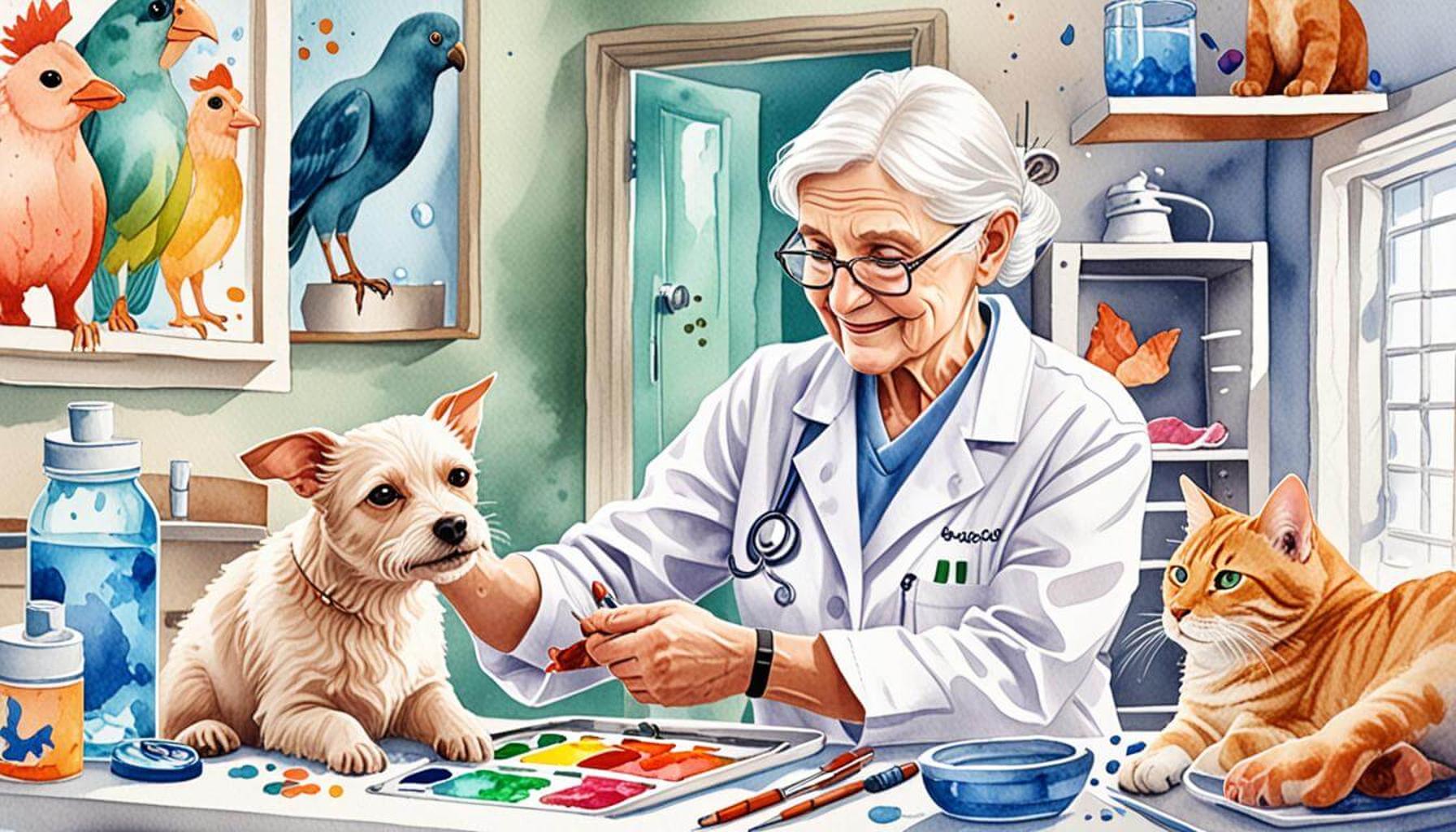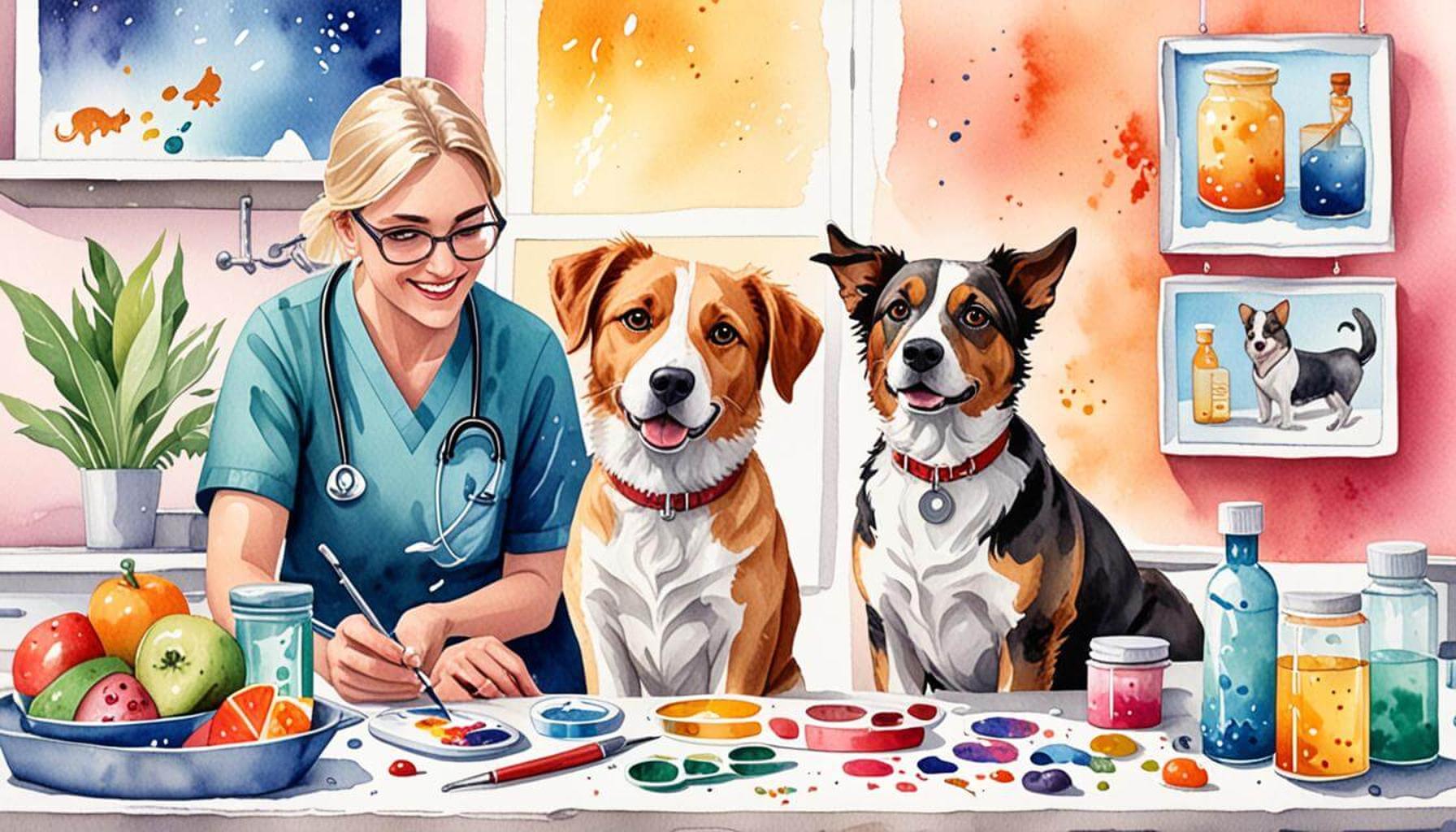
The Role of Veterinarians in Educating Pet Owners about Common Diseases
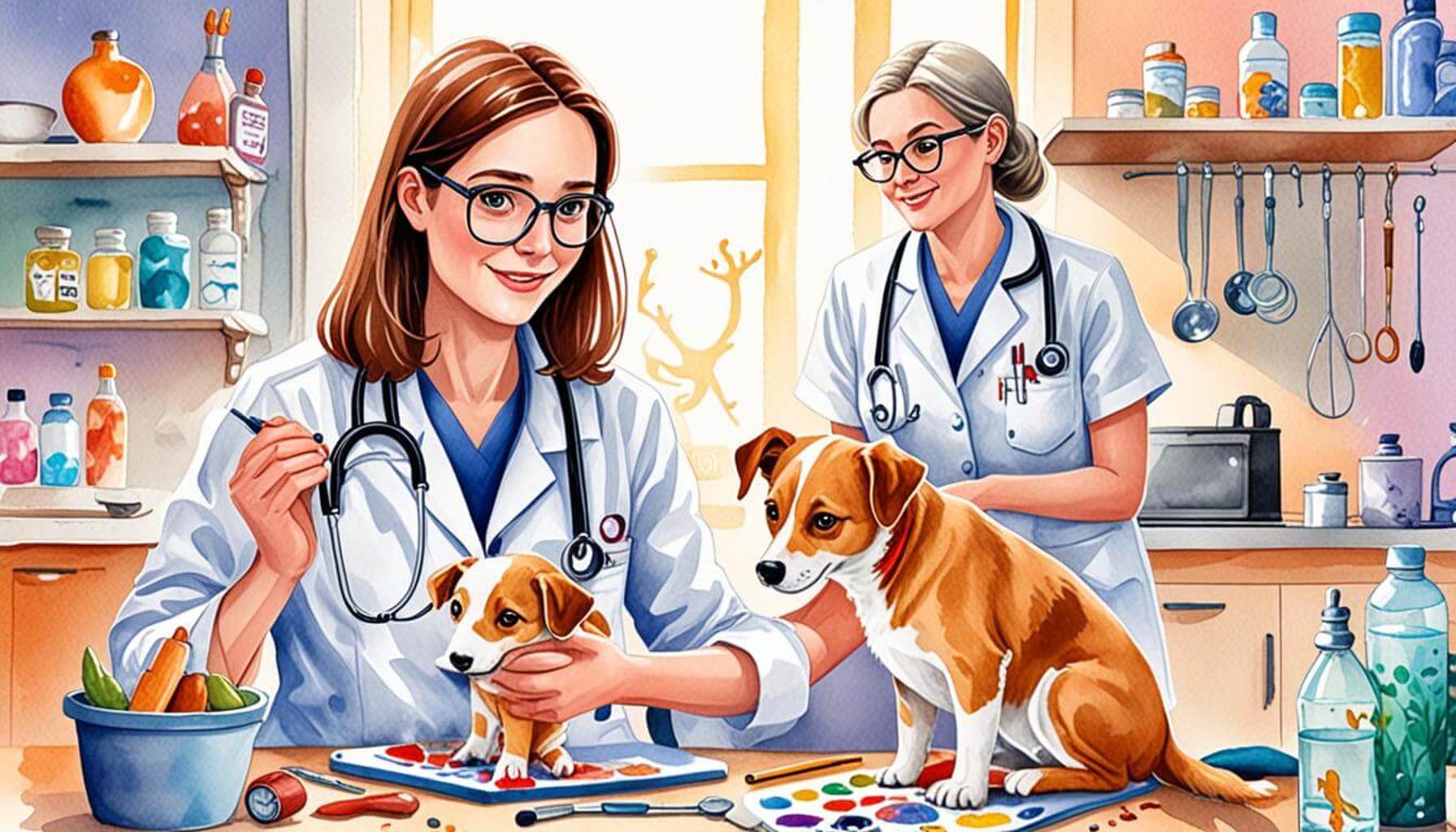
The Vital Role of Veterinarians in Pet Health
Every pet owner cherishes the bond they share with their furry companions. However, the harsh reality is that pets are susceptible to a variety of common diseases that can adversely affect their quality of life. This is where veterinarians play a crucial role. These dedicated professionals not only provide treatment for illnesses but also enlighten pet owners about prevention and early detection strategies.
Through regular check-ups and consultations, veterinarians equip pet owners with the knowledge necessary to safeguard their pets’ health. They not only diagnose and treat illnesses but also guide owners on:
- Common diseases that pets face, such as obesity, diabetes, and heartworm, which can lead to serious complications if left unchecked.
- Preventive measures including the importance of vaccinations, routine dental care, and effective diet management tailored to each pet’s needs.
- Signs and symptoms that could indicate potential health issues, such as changes in appetite, lethargy, or unusual behaviors, which can be critical in seeking timely medical attention.
This education is essential for a multitude of reasons. Firstly, it empowers pet owners to take proactive steps regarding their pets’ health care. For instance, recognizing the early signs of heartworm disease could allow for timely treatment, which is key in saving a pet’s life. Secondly, it fosters a collaborative relationship between veterinarians and pet owners, enhancing overall veterinary care and ensuring that pets receive thorough and consistent health management.
Additionally, as the landscape of pet healthcare evolves with advances in veterinary medicine and technology, the knowledge shared by veterinarians becomes increasingly vital. With rising awareness around pet health, owners are more equipped than ever to make informed decisions that can lead to longer, healthier lives for their beloved pets. For instance, incorporating regular veterinary visits into a pet’s routine can dramatically decrease the risks associated with preventable diseases.
In conclusion, the proactive engagement, education, and partnership between pet owners and veterinarians not only improve the wellbeing of pets but also enhance their quality of life. By valuing the guidance of veterinary professionals, pet owners can ensure that their furry friends enjoy a vibrant, happy life filled with companionship and affection.
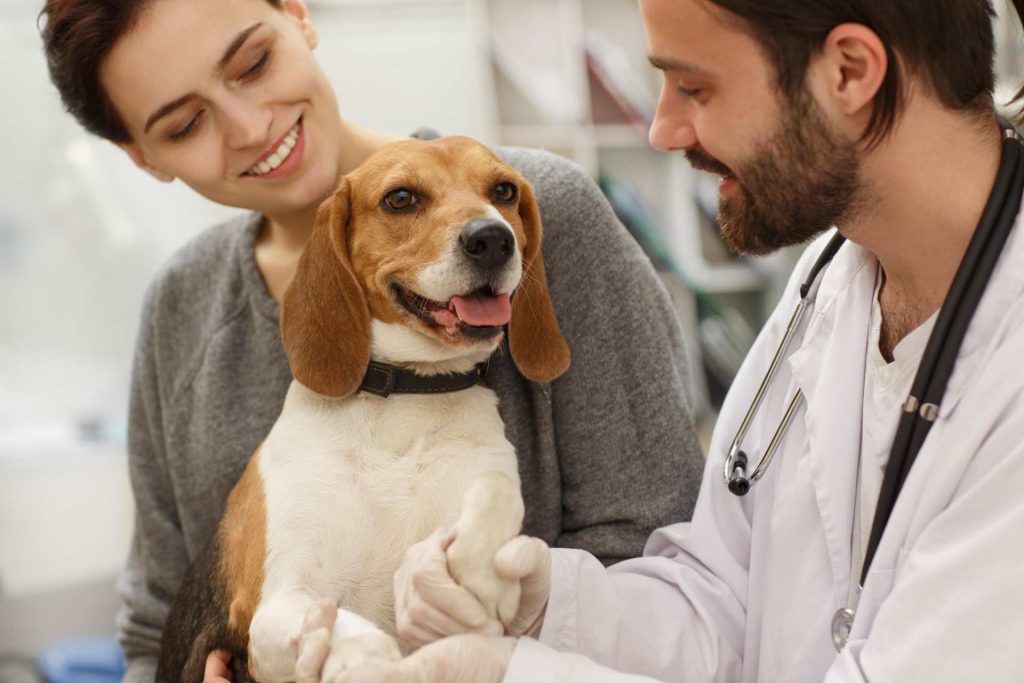
DIVE DEEPER: Click here to learn more about how social networks aid pet adoption
Understanding the Importance of Pet Health Education
The journey toward a healthy pet begins with education, and veterinarians are the gatekeepers of this critical information. They serve as both medical professionals and trusted advisors, providing pet owners with a wealth of knowledge about common diseases that can affect their beloved companions. Many pet owners may be surprised to learn that some of the most prevalent health issues, such as obesity, diabetes, and flea and tick-borne diseases, are often preventable or manageable with the right care and attention.
Veterinarians play a key role in delivering this education through various means, such as:
- Community Outreach Programs: Many veterinary clinics engage in community education events, such as local pet fairs and health seminars, where they address common concerns and provide guidance on best practices for pet health.
- Social Media and Online Resources: The digital age has opened new avenues for education. Many veterinarians utilize platforms like Instagram, Facebook, and YouTube to provide educational content that is easily accessible to pet owners, allowing them to learn at their own pace.
- Personalized Consultations: During veterinary visits, pet owners can ask questions and receive tailored advice that considers their pet’s unique health status, lifestyle, and environment.
Moreover, the statistics surrounding pet health reaffirm the critical need for this veterinary-led education. According to the American Veterinary Medical Association (AVMA), an estimated 60% of pets in the United States are classified as overweight or obese. This alarming trend is often linked to preventable health issues including arthritis, diabetes, and heart disease. Veterinarians provide insights on maintaining a healthy weight through proper diet and exercise, fundamentally impacting long-term health outcomes.
Education from veterinarians doesn’t stop at disease awareness and prevention; it encompasses the understanding of routine care. Pet owners may not realize that routine vaccinations, parasite preventatives, and regular dental check-ups are crucial for preventing diseases, some of which can be transmitted to humans. For instance, rabies and leptospirosis pose significant risks; veterinarians can help pet owners navigate when and how to vaccinate against such diseases.
Furthermore, the veterinarian-pet owner relationship greatly influences pet care decisions. A strong bond fosters trust, enabling pet owners to seek out timely medical assistance and embrace preventive care practices. When pet owners are equipped with information about what symptoms to look for and what steps to take during health crises, the likelihood of successful treatment increases significantly.
In summary, veterinarians are on the frontline of pet health education, guiding pet owners through the complexities of disease prevention and health maintenance. This proactive approach not only elevates the care pets receive but also strengthens the human-animal bond, ensuring that pets live healthier, happier lives.
The Importance of Communication in Veterinary Education
Veterinarians play a critical role in communicating vital information to pet owners about common diseases that can affect their furry companions. Through consultations, they can help identify symptoms early, significantly improving the chances of successful treatment. The importance of proactive education cannot be overstated, as it empowers pet owners to recognize potential health issues. This leads to timely veterinary visits, which can save both health and costs associated with late interventions.
Methods of Education
Veterinarians employ various methods to disseminate knowledge, including workshops, informational brochures, and social media platforms. These resources are designed to reach a wider audience and cater to different learning styles. For instance, visual aids in brochures can illustrate symptoms of conditions like canine parvovirus or feline diabetes, making it easier for owners to grasp these important signs. Furthermore, social media campaigns can quickly spread awareness of seasonal diseases, prompting immediate owner reactions.
Building Trusting Relationships
The relationship between veterinarians and pet owners is fundamental in fostering an environment of trust. Regular communication during visits creates a rapport that encourages open discussions about pet health. This trust can lead to greater compliance with preventive measures, such as vaccinations and routine check-ups, ensuring pets remain healthy. Additionally, veterinarians can share personal anecdotes and case studies that resonate with pet owners, fostering a deeper understanding of disease implications.
Recognizing Common Diseases
A thorough understanding of common diseases is vital for any pet owner. Conditions such as rabies, heartworm disease, and obesity are prevalent in pets today, and recognizing the early signs can be life-saving. Veterinarians routinely educate owners on these issues, emphasizing preventive care. By understanding its nuances, owners enable their pets to lead longer, healthier lives, showcasing the pivotal role of education in veterinary care.
| Advantage | Description |
|---|---|
| Proactive Disease Management | Empowers owners to recognize symptoms early. |
| Enhanced Owner Awareness | Promotes education on disease prevention and treatment. |
By focusing on these advantages, the value of ongoing education provided by veterinarians becomes evident, establishing them as essential resources in the health and well-being of pets and a critical part of pet owner engagement.
DISCOVER MORE: Click here to learn about the impact of telemedicine in pet care
Fostering Awareness of Preventable Diseases
Veterinarians not only deliver vital information about common diseases, but they also play an essential role in fostering awareness regarding preventable conditions that could lead to serious health issues for pets. One glaring example is heartworm disease. This parasitic infection, primarily transmitted through mosquito bites, can have devastating consequences for pets if left untreated. In a report from the American Heartworm Society, it was noted that an estimated 1 million dogs in the United States are currently infected with heartworms, a condition that is entirely preventable with proper medication. Veterinarians take this opportunity to educate pet owners about the importance of administering monthly heartworm preventatives, ensuring pets remain healthy and protected from this dangerous disease.
In addition to parasites, veterinarians emphasize the significance of vaccinations in safeguarding pets against serious diseases like canine distemper, parvovirus, and feline leukemia. These viral infections can lead to severe illness or even death. The Companion Animal Parasite Council guides pet owners on vaccination schedules tailored to their pet’s age, health status, and risk factors. By actively participating in these discussions, veterinarians not only underscore the necessity of vaccinations but also help pet owners discern vaccine myths from reality, thus ensuring informed decision-making.
Understanding the nutritional needs of pets is another aspect where veterinarians introduce essential education. Dietary imbalances can lead to a host of health issues such as obesity, dental diseases, and gastrointestinal problems. Pet owners may be unaware that some commonly fed human foods, such as chocolate, grapes, or onions, can be toxic to their pets. Consequently, veterinarians are crucial in educating pet owners about making informed food choices and ensuring that their pets receive balanced diets tailored to their distinct needs. This education may also involve recommending specific brands or vet-approved diets that cater to pets with existing health conditions.
Moreover, veterinarians frequently highlight the importance of monitoring behavioral changes in pets, as these can be early indicators of underlying health issues. Subtle signs, such as changes in appetite, lethargy, or excessive scratching, could signify conditions ranging from allergies to more severe diseases such as cancer. Through educational workshops or informative materials, veterinarians empower pet owners to recognize these signs, enabling timely interventions that can dramatically improve health outcomes.
Data from the American Veterinary Medical Association further illustrate the significance of this proactive approach. For instance, studies indicate that regular vet visits can result in a 50% increase in early disease detection, which is pivotal in enhancing the quality and longevity of pets’ lives. Regular veterinary visits establish a routine of care that keeps pet owners informed and engaged in their pets’ health, cultivating a culture of wellness that extends beyond mere disease prevention.
Ultimately, the role of veterinarians in educating pet owners about common diseases is invaluable. By equipping pet owners with accessible information, fostering awareness of preventable conditions, and promoting proactive care, veterinarians help protect pets against a myriad of health threats, ensuring a healthier future for the millions of pet companions across the United States.
DIVE DEEPER: Click here to unlock effective cat training techniques
Conclusion: Empowering Pet Owners for a Healthier Future
In conclusion, the significance of veterinarians in educating pet owners about common diseases cannot be overstated. Their expertise serves as a crucial bridge between complex medical knowledge and practical, accessible information that empowers pet caregivers to make informed choices for their beloved companions. By emphasizing the importance of preventive care, such as vaccinations and parasite control, veterinarians are key figures in reducing the prevalence of preventable diseases like heartworm and canine parvovirus.
Moreover, by helping pet owners understand the essential aspects of nutrition and the indicators of potential health issues, veterinarians foster a proactive approach to pet care. This education not only finds merit in enhancing the lives and longevity of pets but also promotes a deeper understanding of the human-animal bond. The data highlighting a 50% increase in early disease detection with regular veterinary visits is a testament to the impact of informed pet ownership on overall pet health.
As more pet owners recognize the critical role veterinarians play, they become active participants in their pets’ well-being. This concerted effort not only cultivates a community grounded in health awareness but also ensures a brighter, healthier future for millions of pets across the United States. Ultimately, the synergy between veterinarians and educated pet owners forms the backbone of a responsible pet care culture, essential in safeguarding the health of our furry friends for years to come.