How Veterinary Services Are Addressing the Needs of Elderly Animals: Special Care and Treatments
Understanding the Unique Needs of Senior Pets
As our beloved furry friends enter their golden years, they can face a myriad of challenges that demand specialized care. As pets age, their physical and emotional needs evolve. Factors such as lifestyle changes, existing health issues, or alterations in mobility can significantly affect their day-to-day well-being. Veterinary services are transforming in response to these challenges, becoming increasingly focused on elder care. This shift reflects a growing recognition of the importance of providing tailored services that enhance the quality of life for senior pets.
Veterinary professionals are implementing innovative treatments and practices, concentrating on several key aspects:
- Pain management: Addressing chronic pain is critical for improving quality of life in senior pets. This may include the use of pain medications, anti-inflammatories, and alternative therapies like acupuncture or laser therapy. For instance, dogs suffering from arthritis may benefit significantly from these treatments, reducing discomfort and allowing them to engage more actively with their environment.
- Nutritional support: Tailored diet plans are essential for managing age-related health issues such as obesity, kidney disease, or diabetes. For example, senior pets may require diets lower in calories but enriched with essential nutrients to maintain energy and support overall health. Specialized formulas with joint supplements or omega-3 fatty acids can also play a role in maintaining mobility and reducing inflammation.
- Mobility assistance: For pets facing mobility challenges, vets often recommend physical therapy, including exercises designed to strengthen muscles or improve flexibility. Additionally, creating a pet-friendly home environment — such as using ramps or orthopedic beds — can help them navigate their surroundings with greater ease.
- Preventative care: Regular veterinary check-ups become increasingly important as pets age. These visits can help catch potential health issues early. For instance, screenings for heart disease, dental health assessments, or routine blood work to monitor organ function can help in making prompt decisions concerning treatment. Scheduled immunizations and parasite control are also vital in protecting against health risks.
This specialized approach not only enhances life expectancy but also improves the comfort and happiness of senior pets. According to the American Veterinary Medical Association, pets over the age of seven are considered senior, making it crucial for pet owners to recognize the signs that their companions might need additional support. Some signs to watch for include changes in behavior, reluctance to engage in physical activities, or changes in eating habits.
As pet owners across the United States increasingly commit to ensuring their companions live healthy and fulfilling lives, understanding how veterinary services are adapting is key. By staying informed and proactive, owners can help their elderly animals thrive. With the right attention and specialized care, senior pets can enjoy their golden years to the fullest, sharing love, companionship, and joyful moments with their families. This article will explore the various strategies veterinary services are employing to ensure our furry friends receive the best care possible at every stage of their life.
DISCOVER MORE: Click here to learn about the benefits and challenges of natural feeding for pets
Innovative Approaches to Senior Pet Care
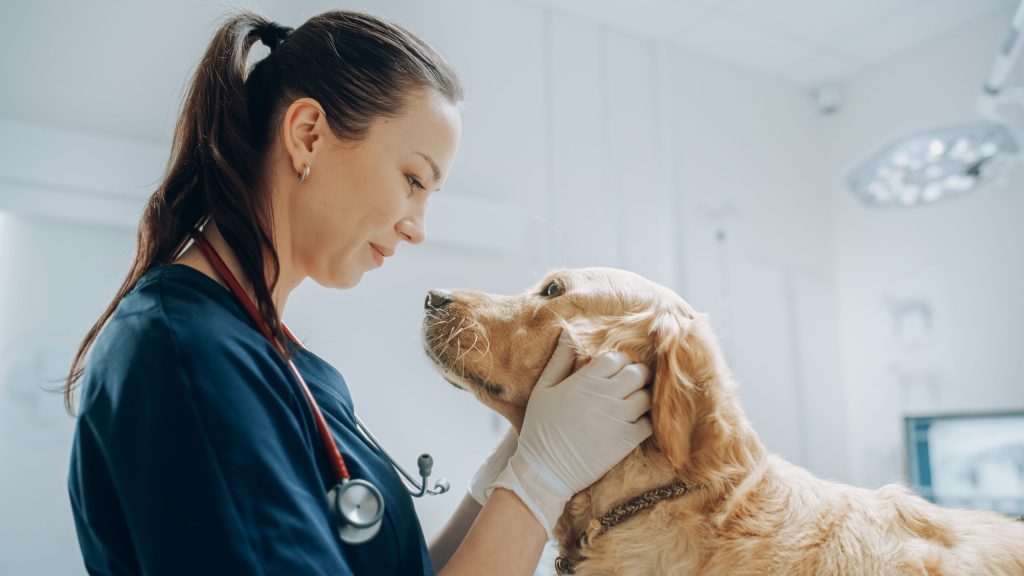
The landscape of veterinary medicine is evolving, particularly in how practitioners cater to the needs of elderly animals. The increasing life expectancy of pets, attributed to advancements in veterinary care and heightened awareness among pet owners, has led to a greater focus on specialized geriatric care. This shift is not only crucial for the physical stability of senior pets but also for their emotional well-being, which can greatly influence their overall quality of life.
Veterinary services are now placing a significant emphasis on tailored treatments that address common age-related ailments. Many elderly pets experience a variety of health issues that can be effectively managed with prompt interventions. Here are some critical areas where veterinary services are making a profound impact:
- Regular Health Assessments: Routine check-ups, now a staple of senior pet care, help veterinarians monitor the progression of age-related conditions. These health assessments often include comprehensive blood work, urinalysis, and diagnostic imaging to identify potential concerns before they escalate. Early detection is critical to successful treatment and management.
- Pain Management Protocols: Understanding the chronic discomfort that can come with aging, many veterinary clinics are employing multi-modal pain management strategies. This includes a combination of traditional medications such as NSAIDs (non-steroidal anti-inflammatory drugs) and innovative approaches like acupuncture and physical therapy. These alternatives can significantly enhance a pet’s comfort level, enabling them to engage in enjoyable activities.
- Nutritional Expertise: As pets age, their dietary needs change drastically. Veterinary offices now frequently offer dietary consultations tailored to specific age-related health issues. For example, pets with chronic kidney disease may be recommended a diet lower in protein and phosphorus, helping to slow the progression of disease while ensuring they receive adequate nutrition.
- Customized Rehabilitation Services: Many clinics are beginning to offer physical rehabilitation programs that include exercises to improve strength, flexibility, and balance. Techniques such as water therapy are gaining popularity due to their low-impact nature, making it easier for senior pets to regain mobility and functionality.
This growing awareness of the distinct needs of senior animals has prompted veterinary services to develop innovative solutions tailored to enhance their quality of life. With the rise of technology and continued education in the veterinary field, treatments that were once thought to be solely for humans—such as stem cell therapy and holistic care options—are becoming more prominent in veterinary practices. By embracing a multifaceted approach, veterinarians aim to not only prolong the lives of senior animals but also to ensure those years are filled with comfort, happiness, and enriched experiences.
This journey towards better care for senior pets underscores the importance of collaboration between pet owners and veterinary professionals. As more owners become proactive in understanding the unique needs of their aging pets, the potential for improved health outcomes continues to grow. The conversation around senior care is expanding, prompting pet owners to think critically about the types of veterinary services that can best support their elderly companions.
Veterinary services are increasingly recognizing the unique needs of elderly animals, leading to the development of specialized treatments and care protocols that enhance the quality of life for senior pets. One of the remarkable advancements is the use of geriatric veterinary care, which focuses on preventing and managing age-related diseases. This proactive approach not only addresses common ailments such as arthritis and dental issues but also emphasizes the importance of regular health screenings to catch potential problems early.Moreover, veterinarians are now incorporating palliative care techniques that prioritize pain management and comfort. This is crucial for elderly pets who may experience chronic pain due to conditions like cancer or degenerative joint disease. Services such as acupuncture and physical therapy have become integral components of treatment plans, allowing for a more holistic approach in which the overall well-being of the animal is considered.Additionally, advances in nutrition for senior pets are noteworthy. Veterinary professionals are now creating tailored diets that meet the metabolic needs of older animals, which can significantly impact their health and vitality. Supplements for joint health, cognitive support, and immune function are being recommended to help these aging pets thrive.Furthermore, veterinary practices are beginning to offer telemedicine services, allowing pet owners to consult with veterinarians remotely. This is especially beneficial for elderly animals that may have difficulty traveling to clinics. Virtual appointments ensure that senior pets receive the necessary care, thereby minimizing stress and exposure to illness, particularly in those with compromised immune systems.As these innovations in veterinary services continue to evolve, they are paving the way for a more compassionate and effective care strategy tailored specifically for the aging furry companions of our families. By investing in these specialized services, pet owners can rest assured that their elderly pets are receiving the dedicated attention and care they deserve.
DIVE DEEPER: Click here to uncover essential training tips
Enhancing Quality of Life Through Specialized Therapies
As veterinary services continue to advance, there is a growing recognition of the need for comprehensive specialized therapies that focus on improving the quality of life for elderly animals. These therapies not only aim to alleviate symptoms of chronic conditions but also prioritize mental stimulation and emotional support for senior pets, which can often be overlooked.
One of the most exciting developments in this realm is the use of integrative medicine, which combines traditional veterinary practices with alternative therapies. Techniques such as massage therapy, chiropractic care, and even aromatherapy are increasingly being employed. These methods can provide relaxation and relieve stress, contributing positively to senior pets that may face anxiety due to changes in their living environment or health status.
Another innovative treatment gaining traction in veterinary clinics is regenerative medicine. In particular, the use of stem cell therapy offers promising results for older animals suffering from conditions like arthritis or joint degeneration. This therapy involves harvesting stem cells from the pet’s own body, typically from fat tissue, and reinjecting them into affected joints, potentially reducing inflammation and pain while promoting healing. As more veterinarians receive training in these groundbreaking techniques, the hope is that they will become a staple in senior pet care.
The Importance of Behavioral Health
In addition to physical health, the psychological well-being of senior pets is a crucial component of comprehensive veterinary care. As pets grow older, changes in their behavior can arise, such as increased anxiety or confusion, especially in cases of cognitive dysfunction syndrome (CDS). Veterinary practices are addressing these challenges by offering counseling and behavioral therapy tailored to the needs of elderly animals.
Behavior modification programs are becoming increasingly prevalent. These can include environmental enrichment strategies, such as interactive toys and puzzle feeders, aimed at stimulating mental activity and reducing signs of boredom or stress. Additionally, certain supplements that support cognitive function, such as omega-3 fatty acids or antioxidants, may be recommended by veterinarians to aid mental agility.
Advocating for Palliative Care
Palliative care, which focuses on providing relief from symptoms and enhancing comfort rather than pursuing aggressive curative treatments, is also an emergent specialty in veterinary services catering to elderly pets. Palliative care teams work closely with pet owners to design tailored treatment plans that prioritize comfort and quality of life, especially in the face of terminal illnesses.
Veterinary professionals are increasingly emphasizing the importance of end-of-life conversations, assisting pet owners in understanding their options and helping them navigate the emotional landscape of end-of-life care for their beloved companions. This sensitive approach ensures that both pets and their owners receive the support they need at a challenging time, reflecting a holistic perspective on senior pet care.
As veterinary medicine embraces these innovative approaches to elder animal care, pet owners are encouraged to actively participate in their pets’ health journeys, asking informed questions and advocating for treatments that suit their senior animals’ unique needs. Establishing a trusting relationship with veterinarians is essential, creating an environment where both education and empathy flourish, ultimately enhancing the experiences of aging animals. By harnessing the latest trends and therapies, the veterinary community is committed to ensuring that senior pets can enjoy their later years with dignity, comfort, and joy.
LEARN MORE: Click here to uncover the health benefits and risks
Conclusion
As we navigate the landscape of veterinary care, it becomes increasingly clear that addressing the needs of elderly animals requires a multifaceted approach. Today’s veterinary services are not only focusing on traditional medical treatments but are also expanding into the realms of integrative medicine, regenerative therapies, and behavioral health support. This holistic approach enhances the physical and emotional well-being of senior pets, ensuring that they enjoy the highest quality of life possible in their golden years.
The growing emphasis on palliative care reflects a profound understanding of the unique challenges faced by aging animals and their owners. By fostering open conversations about end-of-life decisions and providing supportive resources, veterinary professionals are creating a compassionate environment that prioritizes both comfort and dignity. This vital aspect of care not only eases the emotional burden on pet owners but also affirms the deep bond shared between them and their beloved companions.
Pet owners are encouraged to remain proactive in their furry friends’ health, utilizing the advancements in veterinary care to advocate for specialized treatments tailored to their senior pets’ unique needs. Together, veterinarians and pet owners can form partnerships built on trust, education, and empathy, ultimately enriching the lives of elderly animals. As the veterinary community continues to innovate and address these challenges, there is hope that senior pets in the United States—and beyond—will not only survive but thrive in their later years, surrounded by love and support.