The Importance of Prevention: Vaccination and Regular Care in Pets
Understanding Preventive Care for Pets
Taking care of pets is a responsibility that goes beyond their basic needs for food and shelter. Ensuring their health and longevity requires proactive measures, particularly through vaccination and regular veterinary care. These practices can significantly reduce the risk of disease and enhance the quality of life for our furry friends.
Consider the key benefits of preventive care:
- Protection Against Diseases: Vaccines shield pets from serious illnesses like rabies, distemper, and parvovirus. In fact, widespread vaccination has led to a significant decline in the incidence of such diseases. For example, rabies is almost entirely preventable through timely vaccination, which is not only crucial for the pet’s safety but also for public health. In some areas, laws require rabies vaccinations, showcasing the importance of preventive measures.
- Early Detection of Health Issues: Routine check-ups help identify potential health problems before they escalate. A seemingly minor issue, like a dental infection, could lead to more severe health complications if left unchecked. During these appointments, veterinarians may conduct blood tests and physical examinations, allowing for the early diagnosis of conditions like diabetes or kidney disease.
- Cost-Effectiveness: Preventive care can minimize the need for costly emergency treatments later on. For instance, a comprehensive preventive care plan, including vaccines and regular check-ups, often costs far less than treating an advanced illness that could have been prevented. Many pet owners have found that investing in routine care saves them significant amounts in the long run.
Moreover, regular visits to the veterinarian can lead to personalized care plans that cater specifically to your pet’s needs. These appointments are not just about vaccinations; they also encompass essential aspects such as:
- Dental Health: Maintaining oral hygiene can prevent serious health issues. For example, dental disease is one of the most common health problems in pets, impacting their quality of life. Regular dental cleanings can help avoid painful conditions and ensure your pet remains healthy and comfortable.
- Nutritional Advice: Understanding the right diet is crucial for a healthy lifestyle. A veterinarian can recommend specific diets tailored to your pet’s age, weight, and health status. This ensures they receive the necessary nutrients to thrive.
- Parasite Control: Protecting against fleas, ticks, and worms is vital for overall health. These parasites can cause a range of health problems, from skin irritations to serious diseases like Lyme disease in pets. Regular preventive treatments can safeguard your pet from these threats.
In the vast landscape of pet ownership in the United States, where approximately 67% of households own a pet, understanding and implementing these preventive measures is more critical than ever. The path to a healthier and longer life for pets begins with our commitment to prevention. By being proactive in our pets’ health care, we are not just extending their lives but also enriching the quality of those years, filled with joy and companionship.
DIVE DEEPER: Click here to learn about adoption support networks

Essential Components of Preventive Care
When it comes to safeguarding our pets, preventive care serves as the cornerstone of their health regime. The cornerstone of preventive pet care is not merely a series of vaccinations; it encompasses a holistic approach that prioritizes routine examinations and tailored health strategies. Understanding these components can empower pet owners to make informed decisions that substantially enhance their pets’ lives.
One of the pivotal elements of preventive care is vaccination. Vaccines work by stimulating the immune system to recognize and fight off specific diseases, providing long-lasting protection against infectious pathogens. For example, vaccines for diseases such as canine parvovirus and feline leukemia have dramatically decreased mortality rates in dogs and cats, respectively. The American Animal Hospital Association recommends a vaccination schedule that ensures pets receive their shots when they are most vulnerable, typically starting from an early age. This not only prevents outbreaks but also fosters a safer environment in communities.
Additionally, understanding the timing and necessity of each vaccine is essential. Core vaccines, such as those for rabies and distemper, are generally regarded as essential for all pets. Meanwhile, non-core vaccines are administered based on the pet’s lifestyle, risks, and geographical location. For instance, pets who frequently travel or spend time outdoors may require vaccines for diseases prevalent in those areas. By consulting a veterinarian about the best vaccination plan, pet owners can optimize their pets’ health outcomes.
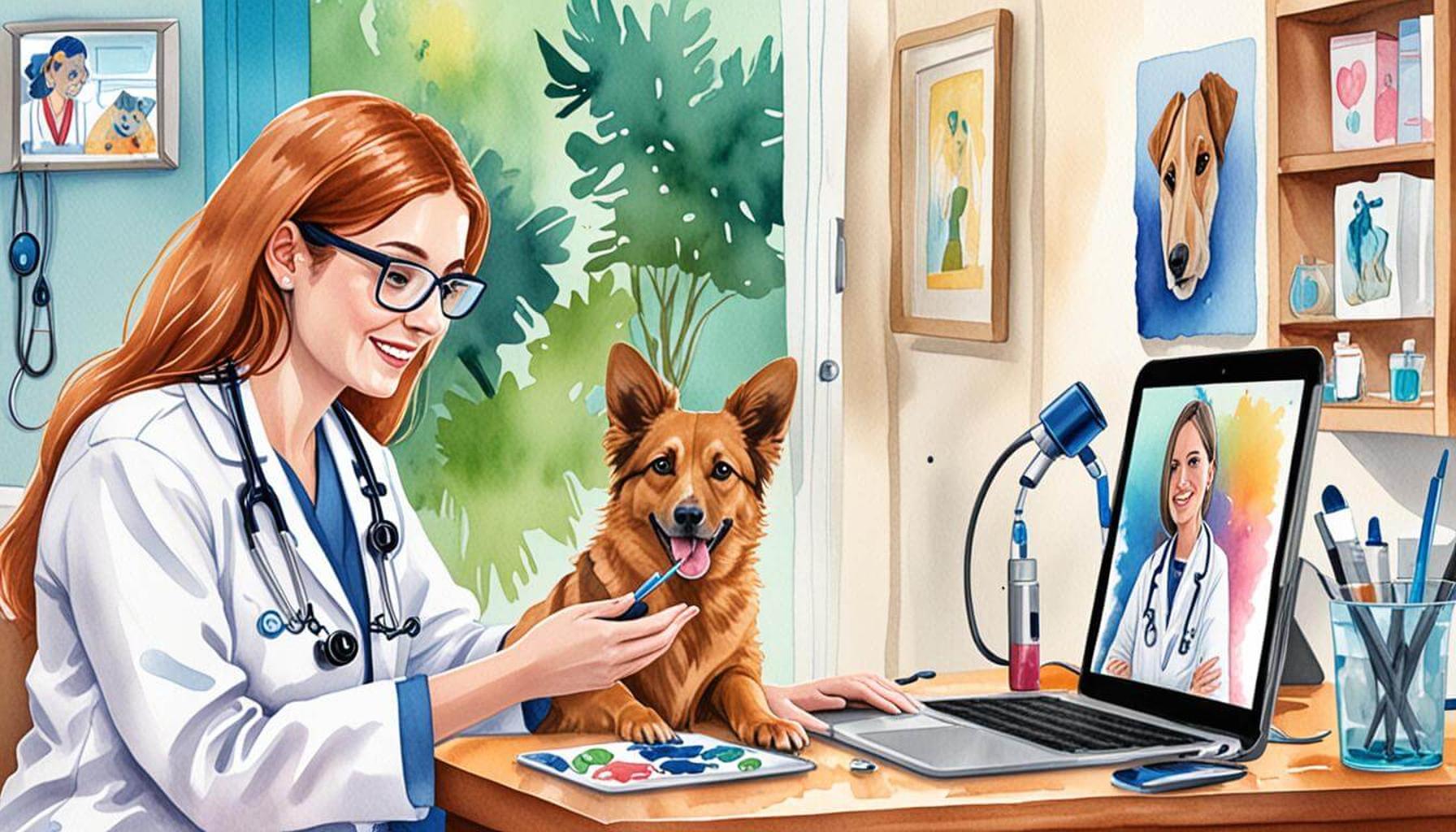
Beyond vaccinations, the significance of regular veterinary care cannot be overstated. These routine visits are integral for fostering good long-term health. Pets, just like humans, can silently suffer from various conditions without showing external signs. During these appointments, vets conduct comprehensive examinations and may recommend additional diagnostics, such as blood tests or imaging, to monitor internal health.
- Wellness Exams: Routine check-ups allow veterinarians to assess overall health and detect potential diseases early on. These examinations often include evaluating the pet’s weight, coat condition, and organ function.
- Behavioral Assessments: During visits, vets can provide guidance on behavioral issues, helping owners to create a supportive environment for their pets.
- Preventive Treatments: Regular check-ups facilitate preventive treatments for parasites, dental care, and nutrition, ensuring pets remain healthy and happy.
Incorporating preventive measures such as vaccinations and regular care not only promotes the health of pets but also fosters beneficial relationships between owners and veterinarians. By investing in preventive care, pet owners pave the way for happier, longer lives for their furry companions. This proactive stance is not simply a recommendation; it is an essential commitment that reflects the love and responsibility we hold as pet owners.
The Importance of Prevention: Vaccination and Regular Care in Pets
In the realm of pet care, prevention emerges as a cornerstone of health and wellbeing. Vaccination is a pivotal aspect that helps guard our beloved companions against a host of serious diseases. From rabies to parvovirus, vaccines have proven to be a financial and emotional investment that pays dividends in the form of health protection. Regular vaccinations not only safeguard your pet but also contribute to public health by controlling zoonotic diseases that can affect humans as well.
Moreover, regular vet check-ups are crucial for ensuring that pets receive timely treatment for potential issues before they escalate. These visits can help in monitoring weight, dental health, and overall well-being, fostering a long and happy life for your furry friends. Early detection of health problems can save not only money but also the emotional distress associated with serious health issues. Through comprehensive care, pet owners can proactively address health concerns and tailor wellness plans based on their pet’s lifestyle and needs.
| Category | Advantages |
|---|---|
| Vaccination | Prevents serious diseases in pets, ensuring a healthier life. |
| Regular Vet Check-ups | Allows for early detection and treatment of potential health issues. |
Understanding the importance of prevention lays the groundwork for better pet ownership. By taking proactive steps, pet owners are not only enhancing the lives of their furry friends but are also solidifying the bond shared with them. Regular vaccinations and routine health checks ensure that pets thrive instead of just surviving.
LEARN MORE: Click here for essential tips on a healthy cat diet!
Building a Comprehensive Care Plan
To optimize the health and well-being of our beloved pets, pet owners must go beyond basic vaccination and regular veterinary visits. A comprehensive care plan tailors specific health strategies to individual pets, considering factors such as age, breed, lifestyle, and pre-existing health conditions. Crafting this plan necessitates collaboration with a veterinarian, who can provide insights into various aspects of pet care.
Nutrition is one of the foundational elements in a comprehensive care plan. A balanced diet is crucial for maintaining a healthy weight, supporting immune function, and ensuring overall health. Pet owners should consult with veterinarians to select high-quality pet foods that meet nutritional requirements, and special diets might be necessary for certain breeds or health issues. For example, larger dog breeds are prone to specific conditions such as hip dysplasia, and a tailored diet can aid in managing their health effectively. Regular weight checks during veterinary visits allow for timely adjustments to a pet’s diet, thereby preventing obesity-related complications.
Another aspect of a comprehensive care plan is exercise. Physical activity is essential for pets, whether they are dogs needing regular walks or cats requiring interactive play. Inactivity can lead to obesity, behavioral issues, and other health concerns. Therefore, pet owners must create a structured routine that includes daily exercise tailored to their pet’s energy levels and physical capabilities. Engaging pets in activities such as agility courses, fetch, or simple playtime can have profound effects on their physical and mental well-being.
Preventive Health Screenings and Diagnostics
Screening tests are vital tools that enhance preventive care. Many common health issues can remain undetected until they reach an advanced stage, making early detection critical for successful outcomes. Routine blood work and urinalysis can help in identifying underlying health conditions such as kidney disease, diabetes, or thyroid disorders in their early stages when they are most treatable. The American Veterinary Medical Association suggests that senior pets, typically those aged seven and older, should undergo more frequent screenings, as their risk for various diseases increases with age.
Dental Care: More Than Just Fresh Breath
Oral health is a crucial yet often overlooked aspect of pet care. Dental disease can affect more than just a pet’s teeth and gums; it can lead to systemic health issues, including heart, liver, and kidney problems. Plaque buildup can begin as early as the first year of a pet’s life, making preventive dental care essential. Regular veterinary dental cleanings, along with at-home care practices such as tooth brushing and dental treats, should be integral components of a pet’s comprehensive care plan. Pet owners may also explore dental products that have received approval from veterinary dental associations to ensure they are effective.
- Socialization: Social interactions are necessary for behavioral development, particularly in young pets. Proper socialization can prevent fear-based behaviors and aggression.
- Grooming: Regular grooming not only keeps pets looking their best but also plays a critical role in preventing skin issues and promoting overall health.
- Behavioral Health: Addressing behavioral concerns promptly through training or consultations can enhance the pet-owner bond and improve the pet’s quality of life.
By developing a comprehensive care plan that encompasses nutrition, exercise, screenings, dental care, and behavioral health, pet owners position their companions for a thriving and vibrant life. This holistic approach reinforces the idea that responsible pet ownership involves proactive measures to safeguard health and well-being through ongoing attention and care.
DISCOVER MORE: Click here to find out how you can help
Conclusion
The journey of responsible pet ownership is one that requires unwavering commitment and proactive measures to ensure the well-being of our furry friends. The importance of prevention through vaccination and regular care cannot be overstated. A well-structured health care plan is essential, encompassing various aspects such as nutrition, exercise, preventive health screenings, dental care, and behavioral health. This holistic approach not only addresses immediate health needs but lays the groundwork for a long, vibrant life.
Pet owners must recognize that vaccinations are the frontline defense against numerous infectious diseases, safeguarding pets from preventable illnesses. Complementing this with regular veterinary visits allows for early detection and crucial intervention, minimizing the impact of health issues that may arise. Furthermore, investing time and effort into structured exercise routines, balanced nutrition, and dental care are vital in promoting longevity and overall quality of life.
By actively engaging with veterinarians to develop tailored care plans, pet owners equip themselves with the knowledge and resources necessary to navigate their pets’ health challenges. This not only nurtures a deep bond between pets and their owners but enhances the joy that comes with responsible pet stewardship. In essence, preventive care is not merely a checklist but a lifestyle commitment; it serves as the cornerstone of a thriving, healthy pet. By prioritizing these preventive measures today, we pave the way for a happier, healthier tomorrow for our beloved companions.