How to Plan a Safe and Nutritious Homemade Diet for Your Pet
Crafting the Perfect Pet Diet
As pet owners, ensuring our furry companions have the best nutrition is a top priority. A homemade diet allows for control over ingredients, reducing the risk of harmful additives found in commercial pet foods. With a little research and planning, you can create a balanced and enjoyable meal for your pet.
Benefits of a Homemade Diet
A homemade diet can offer numerous advantages, such as:
- Ingredient control: When you prepare meals at home, you can choose quality proteins like chicken, beef, or fish, alongside healthy grains such as brown rice or quinoa, and a variety of vegetables like carrots, peas, or spinach. This ensures your pet is getting only the best, nutritious ingredients.
- Dietary flexibility: Every pet is unique, and some may have specific dietary needs or allergies. For instance, if your dog is allergic to certain grains or proteins, a homemade diet allows you to tailor meals accordingly, providing the necessary nutrition without triggering adverse reactions.
- Freshness: Preparing your pet’s meals with fresh ingredients not only enhances flavor but also avoids the preservatives commonly found in packaged pet foods. Fresh meals contribute to better overall health and can even improve your pet’s coat quality and energy levels.
Key Considerations for Safety
Creating a safe diet isn’t just about what you include; it’s also about what you leave out. Concerns include:
- Toxic foods: Certain foods can be harmful or even deadly to pets. It’s crucial to avoid ingredients like chocolate, onions, garlic, grapes, and raisins, which are known to be toxic for dogs and cats. Always double-check before introducing new foods.
- Balanced nutrition: To ensure your meals meet your pet’s specific dietary requirements, consider their age, size, activity level, and health conditions. For instance, puppies require more protein and calories for growth, while senior pets may need lower fat and fewer calories to prevent obesity.
- Consultation: It’s wise to work with a vet or pet nutritionist for advice, especially when making significant changes to your pet’s diet. They can help you formulate a meal plan that is balanced, ensuring your pet receives the necessary vitamins and minerals.
In the following sections, we’ll explore how to plan a safe and nutritious homemade diet for your pet, ensuring they receive all the nourishment they need for a healthy and happy life. Understanding the importance of balanced meals not only promotes longevity but can enhance the bond between you and your pet, making mealtime an enjoyable experience for both. Through careful preparation and knowledgeable choices, you’ll set the stage for a lifetime of vitality and joy in your pet’s journey.
LEARN MORE: Click here to discover why telemedicine is essential for your pet’s health
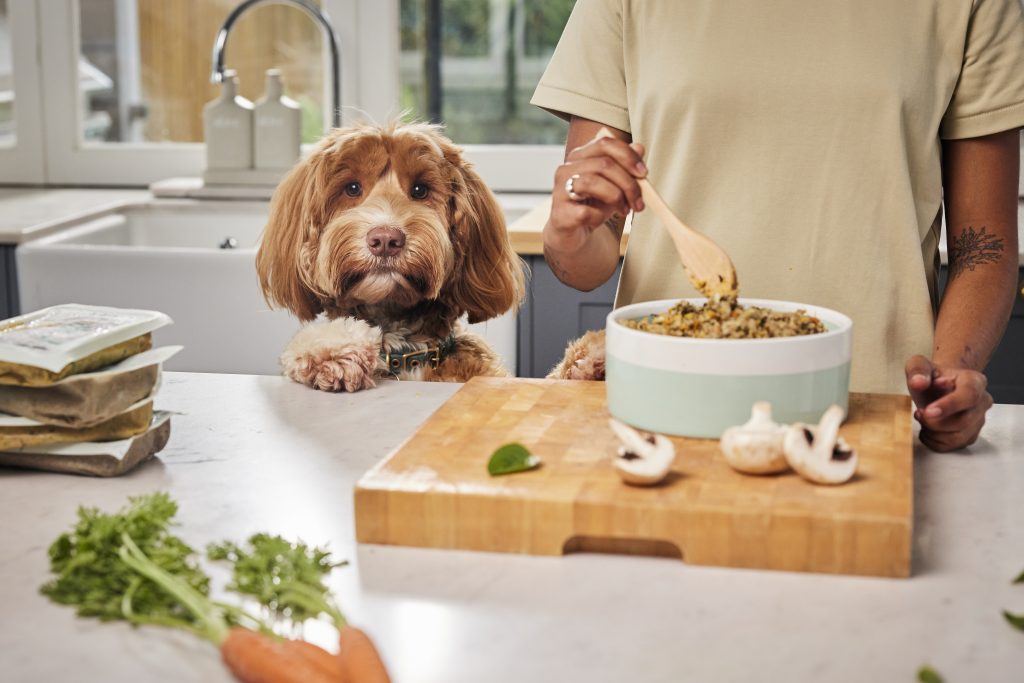
Understanding Your Pet’s Nutritional Needs
Before diving into the world of homemade pet diets, it’s essential to understand the specific nutritional needs of your pet. Just like humans, pets require a variety of nutrients to thrive, including proteins, carbohydrates, fats, vitamins, and minerals. However, the balance of these nutrients can vary significantly based on various factors including species, breed, age, activity level, and health status.
Identifying Nutritional Components
When planning a homemade diet, you’ll want to incorporate a balanced mix of the following components:
- Proteins: This is a fundamental component for growth and energy. High-quality protein sources include lean meats like chicken, turkey, fish, and even plant-based options such as lentils and chickpeas, especially for dogs. Cats, being obligate carnivores, primarily require animal-based proteins for adequate nourishment.
- Carbohydrates: Though not as essential as proteins, carbohydrates provide energy. Good options include brown rice, sweet potatoes, and oats. They also serve as sources of fiber, which is vital for digestion.
- Fats: Healthy fats are crucial for maintaining a shiny coat and supporting cellular functions. Incorporate sources like fish oil or flaxseed oil to add omega-3 fatty acids, which are beneficial for skin and coat health.
- Vitamins and Minerals: Essential vitamins and minerals contribute to overall health, supporting immune function, bone health, and more. Fresh fruits (like blueberries and apples) and vegetables (like carrots and spinach) are excellent natural sources. However, be cautious with quantities, as some fruits and veggies are best served in moderation or avoided altogether due to potential toxicity.
Portion Control and Meal Frequency
Another critical aspect of a homemade diet is determining the appropriate portion sizes and meal frequency for your pet. Overfeeding can lead to obesity, while underfeeding can result in nutritional deficiencies. Use a scale and measuring cups to ensure accurate serving sizes based on your pet’s weight and energy needs. Generally, adult dogs require two meals a day, while cats benefit from frequent smaller meals. Consult with your vet to establish the best meal schedule tailored to your pet’s requirements.
Equally important is staying observant after transitioning to a homemade diet. Monitor your pet for any signs of digestive distress, weight changes, or shifts in energy levels. This ongoing assessment will help you fine-tune your pet’s diet and ensure they are getting the necessary nutrition without any adverse effects.
The journey to crafting a safe and nutritious homemade diet is meticulous, but it’s a fulfilling endeavor that promises a healthier future for your furry friend. By incorporating a balanced mix of nutrients and maintaining careful portion control, you lay the foundation for your pet’s well-being. With a proper understanding of their dietary needs, you can confidently explore the world of homemade pet meals—setting the tone for lifelong health and happiness.
| Category | Key Features and Benefits |
|---|---|
| Nutritional Balance | Homemade diets allow you to tailor meals specifically to your pet’s nutritional needs, ensuring they receive essential vitamins and minerals appropriate for their age and health condition. |
| Ingredient Control | By preparing food at home, you can avoid preservatives and additives found in commercial pet foods, promoting a healthier diet and preventing allergies. |
| Variety in Diet | Homemade meals allow for experimentation with different proteins, grains, and vegetables, keeping your pet engaged and satisfied. |
| Better Digestion | Fresh, homemade meals can improve your pet’s digestion and overall gut health by utilizing whole foods that are easier for them to process. |
When planning a safe and nutritious homemade diet for your pet, consider incorporating high-quality protein sources like chicken or fish, along with a variety of vegetables such as carrots and peas. Each ingredient plays a crucial role in your pet’s health and well-being, as its nutritional profile can significantly impact their energy levels and mood. Additionally, consult with a vet to ensure your meals meet the necessary dietary requirements specific to your pet’s age, size, and health status. Remember, introducing new foods should be gradual to avoid digestive issues and ensure your pet adapts smoothly to the changes in their diet.Also, keep in mind that certain human foods can be toxic to pets. Avoid ingredients such as onions, garlic, and chocolate, which can have adverse effects on their health. Staying informed and cautious while preparing meals is key to a successful homemade diet. As you proceed with your pet’s dietary journey, the right knowledge and resources will lead to a healthier, happier companion.
DISCOVER MORE: Click here for valuable tips on pet adoption resources
Incorporating Variety and Safe Ingredients
To create a well-rounded and nutritious homemade diet for your pet, it is essential to introduce variety and choose safe, high-quality ingredients. A varied diet can prevent nutritional deficiencies while also keeping mealtime exciting for your pet. Routine changes in protein sources, vegetables, and carbohydrates can enhance benefits and contribute to overall health. However, it is vital to ensure that foods chosen are safe and non-toxic.
Pet-Safe Ingredients
- Lean Meats: Chicken, turkey, and lean cuts of beef are excellent protein sources. They should be cooked thoroughly to eliminate harmful bacteria. Avoid processed meats with additives or preservatives.
- Fruits: Several fruits are healthy for pets, such as blueberries, strawberries, watermelon, and apples (ensure seeds and core are removed). However, some fruits are toxic, such as grapes and raisins, which can cause kidney failure in dogs. Always research new fruits before introducing them.
- Vegetables: Carrots, peas, green beans, sweet potatoes, and spinach can serve as nutritious additions. Not all vegetables are safe; for instance, onions and garlic are harmful to pets, so be careful when selecting plant-based options.
- Grains: While grains should be a smaller part of your pet’s diet, whole grains like brown rice and oatmeal can be beneficial. Ensure they are cooked and easy to digest.
- Dairy: Some pets can handle small amounts of dairy, like plain yogurt or cottage cheese; however, lactose intolerance is common in both cats and dogs, so portions should be limited.
Consultation with Professionals
It’s crucial to involve a veterinarian when considering a homemade diet for your pet. A professional can provide tailored advice based on your pet’s specific health needs, life stage, and lifestyle. Nutritional imbalances can lead to serious health problems, including obesity, diabetes, and gastrointestinal disorders. A vet may recommend supplements if your homemade diet lacks specific nutrients, offering peace of mind that you are meeting your pet’s nutritional needs.
Another option to consider is working with a veterinary nutritionist. These specialists can create a customized meal plan designed specifically for your pet, ensuring that all dietary requirements are met effectively. They can also help identify signs that your pet may be reacting negatively to certain foods and guide appropriate adjustments.
Food Preparation and Safety
Once you’ve selected safe ingredients, proper food preparation is critical to ensure that your homemade diet remains nutritious and safe. Wash all vegetables thoroughly to remove pesticides and pathogens. Cook meats properly to avoid bacterial contamination, as undercooked meat can harbor serious threats to your pet’s health. Familiarize yourself with storage methods that maintain ingredient quality; refrigerate leftovers promptly, and always check for spoilage before serving.
Homemade diets can be a rewarding alternative to commercial pet foods when done correctly. Incorporating a range of proteins, vegetables, and safe grains can create satisfying meals for your furry companion. Keep experimenting within the safe guidelines, staying informed about nutritional needs, and continuously monitoring your pet’s health to ensure they enjoy a fulfilling and nourishing diet.
DISCOVER MORE: Click here to learn about alternative therapies for pets
Final Thoughts on Planning a Safe and Nutritious Homemade Diet for Your Pet
Creating a homemade diet for your pet can indeed be a fulfilling venture, offering personalized nutrition and a chance to cater specifically to their tastes and preferences. However, as emphasized throughout this article, achieving a safe and nutritious diet requires careful planning and consideration. It is essential to integrate a variety of safe ingredients, ensuring that your pet enjoys balanced meals rich in the necessary nutrients while avoiding toxic foods.
Always prioritize consultation with veterinary professionals to tailor the diet to your pet’s unique health needs. Their expertise can be invaluable in designing a meal plan that is safe and beneficial, potentially highlighting the importance of supplements to cover any nutritional gaps. By understanding the specific dietary requirements set forth by your pet’s age, breed, and health status, you can make informed decisions that contribute to their well-being.
Moreover, never underestimate the significance of proper food preparation and safety practices. With the right ingredient handling and cooking techniques, you can minimize the risks of foodborne illnesses and ensure every meal is both delicious and safe. Making homemade meals can transform your furry friend’s dining experience while also enhancing the bond you share. So dive into this culinary adventure, explore new recipes, and discover how a nutritious homemade diet can be a cornerstone of your pet’s health—one bite at a time.