The Influence of Grain-Free Diets on the Health of Dogs and Cats
Understanding Grain-Free Diets in Pets
In recent years, the pet food market has undergone significant transformations, notably with the rise of grain-free diets favored by many devoted dog and cat owners. Proponents of these diets assert that eliminating grains can enhance the overall health and vitality of their pets. However, the question remains: Is this belief grounded in scientific fact?
Traditionally, grains such as corn, wheat, and soy have been mainstays in pet food due to their availability and economical benefits. However, some pet owners are increasingly gravitating towards alternatives that completely omit grains. As this trend gains momentum, several crucial considerations arise:
- Potential Benefits: Advocates point out several advantages of grain-free diets. Many believe that such diets can alleviate issues related to food allergies or intolerances, especially in pets prone to skin problems or gastrointestinal sensitivities. Additionally, grain-free options often help in managing weight due to their higher protein and fat content.
- Popular Ingredients: In place of conventional grains, grain-free pet foods frequently utilize alternative carbohydrate sources like peas, lentils, potatoes, and even sweet potatoes. These ingredients not only provide energy but also contain beneficial nutrients that can contribute to overall health. For example, peas offer protein and fiber, while potatoes are rich in vitamins and minerals.
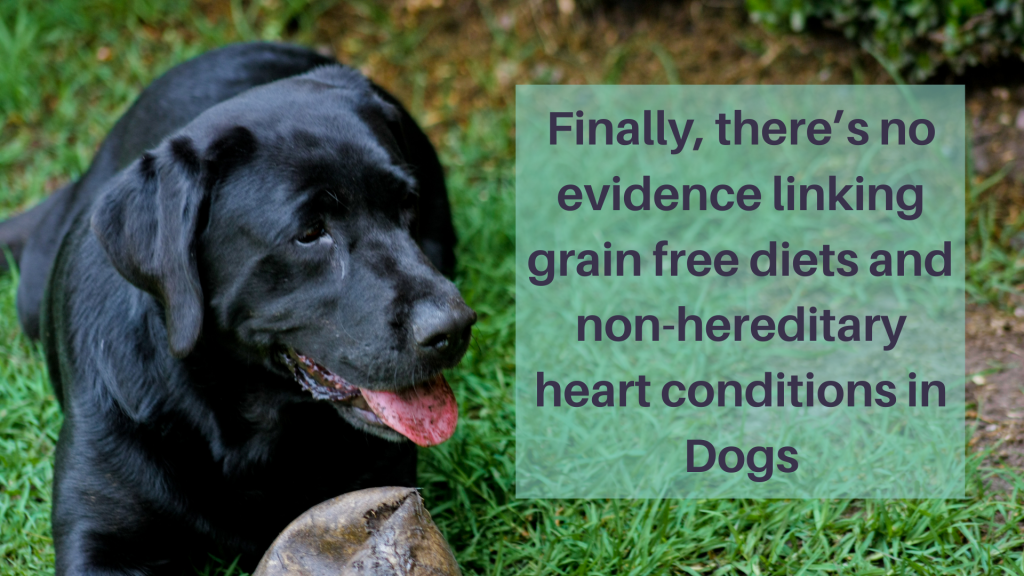
- Health Questions: Despite the perceived benefits, recent studies have raised red flags regarding the long-term health implications of grain-free diets. Concerns have been particularly highlighted about a potential link between these diets and certain types of heart disease, including dilated cardiomyopathy (DCM). The FDA has been investigating reports of DCM in dogs associated with grain-free pet foods, leading many pet owners to question the safety of such diets.
The ongoing discussion about grain-free diets complicates the decision-making process for pet owners. With a plethora of claims and counterclaims, it becomes essential to delve deeper into how these diets truly influence the health and wellbeing of dogs and cats.
This article aims to explore the various implications of switching to a grain-free diet, examining scientific research, insights from veterinary experts, and real-life experiences shared by pet owners. By equipping yourself with this comprehensive knowledge, you can make a well-informed choice that ensures the health and happiness of your beloved pets. Whether you’re considering a grain-free option for a specific health concern or simply exploring dietary alternatives, understanding the full picture is essential. So let’s embark on this journey together to uncover what the grain-free movement means for our furry companions.
DISCOVER MORE: Click here to learn about alternative therapies for your pets
Potential Benefits and Concerns of Grain-Free Diets
As pet owners explore the evolving landscape of canine and feline nutrition, many are led to consider the potential benefits of grain-free diets for their furry companions. Advocates of these diets often tout improvements in various health markers, prompting an interest that cannot be overlooked. However, while proponents highlight significant benefits, it is equally critical to address the emerging concerns surrounding these dietary choices.
Evaluating Health Improvements
Many pet owners turn to grain-free options in hopes of alleviating specific health issues. Common reasons behind this switch include:
- Relief from Food Allergies: Dogs and cats can suffer from food allergies, which often manifest as skin irritations or gastrointestinal disturbances. Some studies suggest that eliminating grains from the diet may help reduce these allergy symptoms, providing relief for affected pets.
- Weight Management: Grain-free diets are typically higher in protein and fat, leading to feelings of fullness and helping manage weight more effectively. For overweight pets, this could translate to improved overall health and vitality.
- Improved Digestion: Alternative carbohydrate sources found in grain-free diets—such as peas, sweet potatoes, and lentils—may be more easily digestible for some pets. This shift can lead to better nutrient absorption and overall digestive health.
Navigating Emerging Health Risks
While the supportive claims regarding grain-free diets are compelling, the conversation must also address potential health risks. In recent years, veterinary experts and researchers have observed concerning trends associated with grain-free pet foods. One of the most troubling developments has been the possible link to dilated cardiomyopathy (DCM), a serious heart condition that can affect dogs, particularly certain breeds predisposed to heart issues.
The FDA’s investigation into reports of DCM in dogs consuming grain-free diets has drawn attention to the complexities of canine nutrition. As researchers continue to investigate these associations, pet owners may find themselves caught in a web of conflicting information. Factors such as the types of proteins used, the proportions of certain ingredients, and the overall quality of the diet can all play significant roles in pet health.
Understanding these health implications is essential not just for owners contemplating a grain-free switch, but also for those already committed to such a diet. Engaging with resources that synthesize scientific research and veterinary recommendations can provide much-needed clarity. With a shifting dietary landscape for pets, it is crucial for owners to remain informed and choose wisely, prioritizing their pets’ health and wellbeing above all else.
As we delve further into the realm of grain-free diets, we aim to present insights from veterinary professionals, study findings, and first-hand accounts from pet owners. This broad perspective will help illuminate the multifaceted nature of grain-free diets and their influence on the health of dogs and cats, ultimately guiding pet owners toward the best dietary choices for their beloved companions.
| Advantages | Health Implications |
|---|---|
| Improved Digestion | Many pet owners report that eliminating grains leads to fewer digestive issues, such as bloating and gas. |
| Enhanced Skin and Coat Health | Grain-free diets can alleviate skin allergies, resulting in a shinier and healthier coat. |
| Energy Levels | Pets on grain-free diets often exhibit increased energy and vitality, contributing to a more active lifestyle. |
| Potential Weight Management | Some grain-free options are lower in carbohydrates, which may help in maintaining an ideal weight. |
The dietary impacts on pets, especially concerning grain-free diets, are worth exploring thoroughly. These diets emphasize high protein content and may align closely with a pet’s natural dietary needs. However, it is crucial to consult your veterinarian when considering significant dietary changes. Additionally, while some proponents argue that grain-free diets improve health, others warn against potential heart health issues linked to certain formulations. An informed and balanced approach can make a world of difference for the well-being of dogs and cats.
DISCOVER MORE: Click here to learn about connecting pets to new homes
Understanding Ingredient Quality and Composition
As pet owners seek guidance on grain-free diets, understanding the quality of ingredients and their specific nutritional values becomes paramount. A grain-free diet does not inherently guarantee a superior nutritional profile; rather, it hinges significantly on what replaces grains. Many manufacturers substitute grains with various protein sources and vegetables, yet not all offerings are created equal.
The Role of Protein Sources
High-quality protein is essential for the health of dogs and cats, supporting muscle development, energy levels, and overall vitality. Grain-free diets frequently utilize alternative sources such as chicken, beef, lamb, fish, and plant-based proteins. However, pet owners must be vigilant about the protein quality specified on ingredient labels. Ingredient lists often list proteins by quantity, with the first few ingredients being the most significant. The shift towards protein-first formulations can benefit pets—provided these proteins are sourced from reputable suppliers.
Moreover, it is important for pet owners to be cognizant of protein quality versus quantity. Low-quality meats or by-products can lead to inadequate nutrition and potential health issues, irrespective of whether the diet is grain-free or grain-inclusive. Engaging with veterinarians or pet nutrition specialists can provide invaluable insight into evaluating brands and formulations, ensuring that pets receive the necessary nutrients in a balanced manner.
The Impact of Legumes and Pulses
A common feature of many grain-free diets is the use of legumes and pulses, such as peas and lentils, which serve as primary carbohydrate sources. While they are packed with fiber, vitamins, and minerals, these ingredients can also pose their own risk if used excessively. Recent studies suggest that high concentrations of these ingredients may contribute to the DCM phenomenon observed in some dogs, raising concerns about their long-term dietary safety.
Furthermore, the interaction between these legumes and a pet’s individual metabolism can result in varied digestive responses. Some pets may thrive on a high-fiber legume-rich diet, while others may experience discomfort or nutritional imbalances. Thus, monitoring a pet’s health indicators—such as weight, energy levels, and coat condition—can be beneficial after transitioning to a grain-free diet or any significant dietary change.
Nutrition vs. Marketing Hype
With the surge in popularity of grain-free diets, many products marketed as “premium” or “natural” claim to offer better health for pets. However, pet owners must critically evaluate the nutritional claims versus the actual ingredients. The absence of grains alone does not equate to a healthier diet. Brands may include fillers or low-quality ingredients that undermine the potential benefits of a grain-free approach.
The dietary habits of dogs and cats have evolved alongside humans, and their nutritional needs should be addressed within this context. A diet suited to a pet’s specific life stage, health condition, and activity level will always triumph over marketing strategies. Pet owners are encouraged to seek out scientifically backed information and consult veterinary professionals for personalized dietary recommendations.
In sum, as the grain-free diet conversation continues to unfold, pet owners are encouraged to remain investigative and rely on evidence-based research while considering their pet’s dietary choices. The complexities surrounding grain-free diets, ingredient quality, and nutritional adequacy highlight the necessity for informed decision-making in the pursuit of optimal health for beloved companions.
DISCOVER MORE: Click here to learn about effective training techniques
Conclusion
In the ever-evolving conversation surrounding grain-free diets for dogs and cats, it is crucial for pet owners to approach this dietary trend with a well-informed perspective. As we have explored, the shift away from grains can offer potential benefits, yet it also carries inherent risks that deserve careful consideration. Quality ingredients, particularly protein sources, play a pivotal role in determining the health implications of any pet food, grain-free or otherwise. Moreover, while legumes and pulses can serve as nutritious alternatives, their excessive use may lead to health concerns, such as specific heart conditions.
Pet owners must remain vigilant, critically assessing the ingredient lists of the products they choose. Understanding the difference between marketing hype and genuine nutritional value is essential. A grain-free label does not inherently denote a superior product; rather, it serves as a prompt for deeper investigation into what your pets truly require to thrive. Consulting with veterinary professionals and nutritionists can provide personalized insights, helping to tailor dietary choices that meet the unique needs of each animal.
Ultimately, the health of our beloved pets must take precedence over dietary trends. By combining knowledge, quality ingredient evaluation, and expert advice, pet owners can navigate the landscape of grain-free diets thoughtfully, ensuring optimal health for their furry companions. As the dialogue continues to evolve, it is our responsibility to remain informed, letting science guide our choices rather than succumbing to fleeting trends or misconceptions.