Animal Training for Companionship: Developing Social Skills in Dogs and Cats
Enriching Pet Companionship Through Training
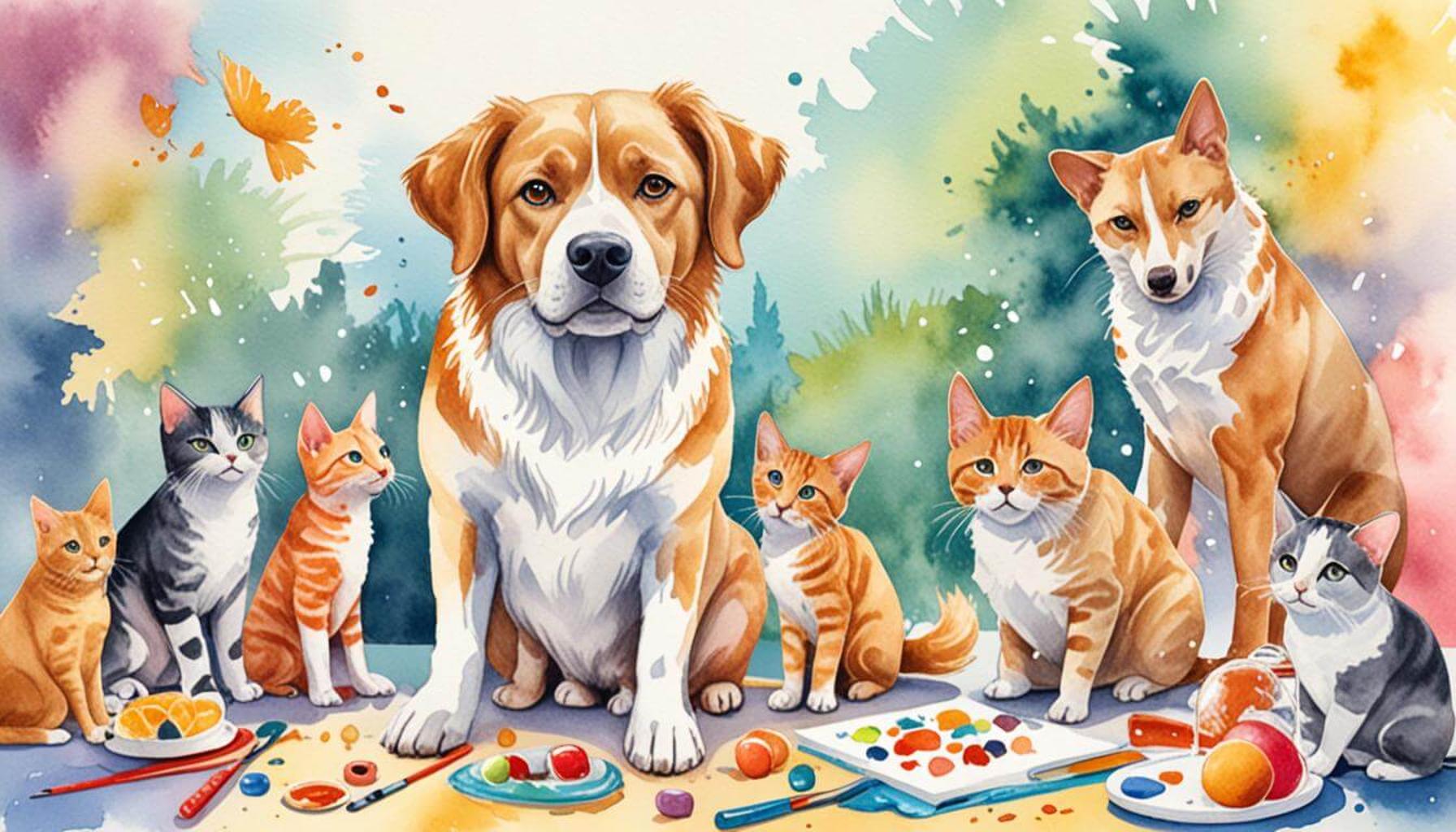
In the realm of pet ownership, the art of animal training goes beyond instilling basic obedience commands. It’s about cultivating a profound and communicative connection with our pets, which in turn enhances their social skills and significantly enriches our lives. Regardless of whether you own a dog or a cat, developing these social skills can lead to a more harmonious and pleasant household environment.
The importance of social skills in pets cannot be overstated. These skills play a pivotal role in shaping their behavior, interactions, and overall adaptability to diverse situations:
- Improved Behavior: Well-socialized pets tend to be more manageable and responsive to commands. For example, a dog that has been exposed to various social situations is less likely to exhibit anxiety around strangers or other animals, leading to fewer behavioral issues.
- Enhanced Interactions: Training cultivates positive engagement with other animals and humans. A cat that is accustomed to being in the presence of dogs may exhibit calm behavior, rather than aggression or fear, making visits to homes with different pets more enjoyable for everyone involved.
- Increased Adaptability: Socialized pets are generally less fearful and are more adaptable to new experiences, be it traveling, visiting the vet, or meeting new people. For instance, a well-trained dog can easily adjust to walking in a busy park without becoming overwhelmed by the noise and crowds.
Moreover, the training process contributes significantly to a pet’s emotional well-being. It not only shapes their understanding of acceptable behavior and boundaries but also promotes their confidence as they learn through positive reinforcement techniques. This learning journey can be both rewarding and transformative for pets and their owners alike.
As you delve into the techniques and advantages of animal training for companionship, it’s vital to recognize the multitude of approaches that can be tailored to the unique traits of dogs and cats. Training can start with essential commands such as “sit” or “stay” and evolve into advanced socialization tactics. For example, engaging your dog in group classes can help them learn to navigate social settings, further enhancing their communication skills with their furry counterparts.
Embarking on this journey allows you to unlock your pets’ full potential, nurturing not only their skills but also a lifelong bond grounded in mutual understanding and respect. By investing in training, you create an atmosphere of love and security, establishing a fulfilling companionship that resonates within your household.
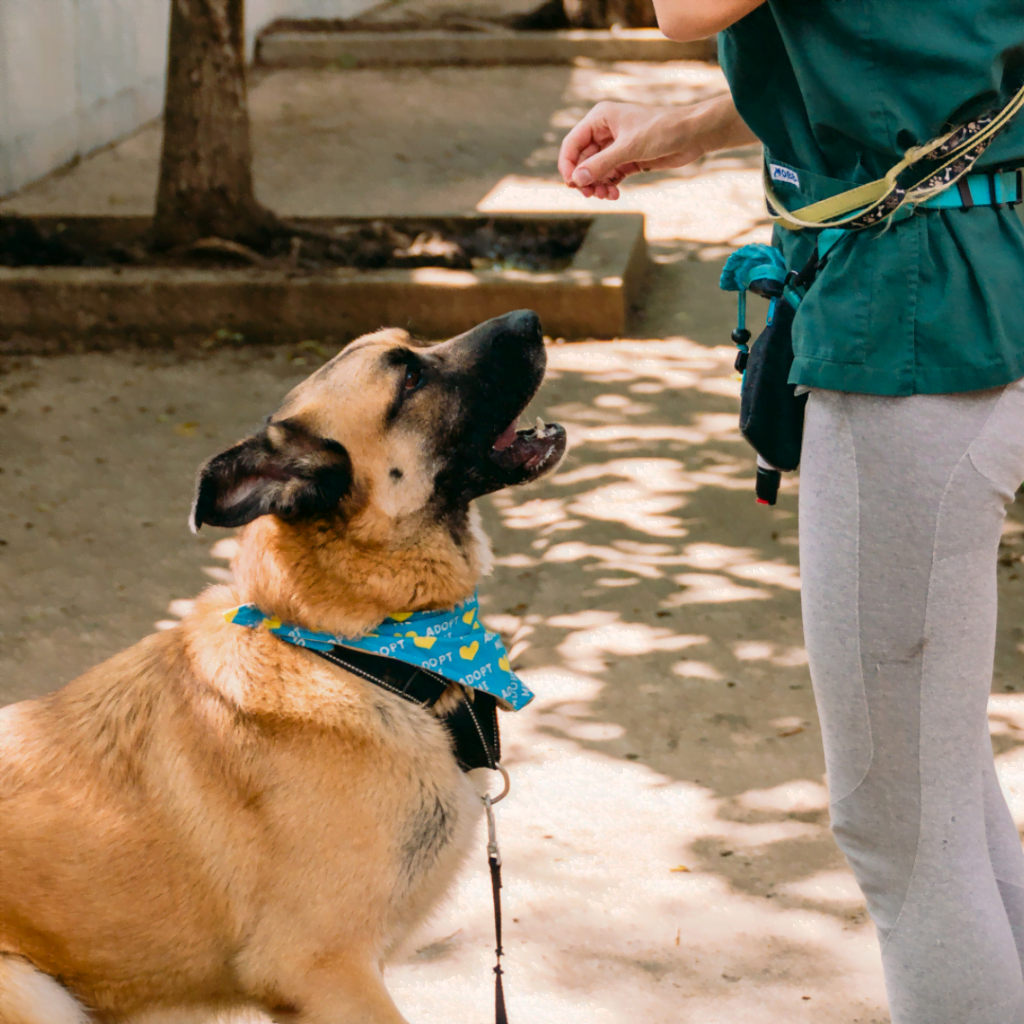
Ultimately, training your pet is an ongoing process that requires patience and commitment, but the emotional rewards and solid connections forged are well worth the effort. As training progresses, both you and your pet can discover new facets of your relationship, helping each other to grow in understanding and affection.
DISCOVER MORE: Click here to learn about alternative therapies for your pets
Understanding Socialization: The Cornerstone of Animal Training
When it comes to animal training for companionship, socialization remains at the forefront, acting as a foundation for the overall training process. For both dogs and cats, socialization refers to the exposure to various environments, experiences, and individuals that allow them to develop their social skills and learn appropriate behaviors. This introduction to myriad situations not only promotes their well-being but lays the groundwork for becoming well-adjusted companions.
Animal training is particularly crucial for dogs, whose social nature thrives on interaction. Dogs are pack animals by instinct, craving camaraderie and connection. Therefore, teaching them how to interact appropriately with both humans and other animals is vital. Besides laughter and fun, well-socialized dogs also foster social interactions among their owners, as a friendly pup can draw together families and neighbors. As a result, embarking on socialization training opens doors to numerous opportunities for companionship.
For cat owners, while the concept of socialization may seem less impactful compared to dogs, it is equally essential. Cats have a reputation for being more independent, yet they too benefit immensely from positive social experiences. Early socialization can help a cat grow into a friendly and adaptable pet, comfortable around various stimuli, including children, unfamiliar guests, and other pets. This training builds their confidence, ultimately enriching the bond shared with their human counterparts.
To explore effective strategies for enhancing social skills in your pets, consider the following:
- Exposure to Different Environments: Introduce your pet to diverse settings, such as parks, pet-friendly grocery stores, or friends’ homes. Each new scenario aids in desensitizing them to unfamiliar sights and sounds.
- Positive Reinforcement: Use treats, praise, and affection to encourage good behavior during social encounters. Rewarding positive interactions helps animals associate new experiences with pleasure.
- Organized Playdates: Facilitate gatherings with other pets and their owners. Games like fetch or simply allowing them to explore together can provide a safe space for social engagement.
- Training Classes: Enrollment in a training class not only fortifies commands but also facilitates controlled interactions with other animals, ensuring a structured learning environment.
- Consistent Routine: Establishing a routine ensures that your pet understands what to expect in their day-to-day interactions, boosting their confidence in various social situations.
Incorporating these strategies into your animal training routine leads to a more socially adept pet, capable of enjoying a fulfilling and enriching companionship with their human family and other pets. The process may take time and patience, but by committing to developing these vital social skills, you reinforce the bond that enhances the overall quality of life for both you and your beloved companion.
| Category | Key Features |
|---|---|
| Socialization | Training promotes interaction between different pets and environments, building confidence and reducing anxiety. |
| Behavioral Skills | Enhances communication and understanding between owner and pet, contributing to a harmonious living environment. |
Developing social skills in animals can greatly enhance their companionship value. For instance, when dogs and cats are trained effectively, they often show improved sociability towards other pets and humans, which leads to more fulfilling interactions in various social settings. Socialization plays a crucial role in helping pets adapt to different situations, making them less fearful and more approachable. Positive reinforcement methods encourage pets to explore new environments and meet various individuals, reducing the chances of behavioral issues stemming from fear or aggression.Additionally, through the training process, animals learn essential behavioral skills that significantly improve their ability to communicate with their owners and others. Understanding commands and cues allows for a smoother relationship, with pets being able to express their needs and desires effectively. As social behaviors develop, pet owners often experience greater joy and less frustration, fostering a stronger bond and enriching their lives together. By investing time in training, owners pave the way for a more content and sociable companion, enhancing overall well-being for both pets and their families.
DISCOVER MORE: Click here to learn about the significance of preventive medicine
Advanced Techniques for Fostering Social Skills
As your pet progresses through their initial socialization experiences, you might wonder how to further enhance their social skills and ensure they thrive as companions. Incorporating advanced techniques can constructively challenge your dog or cat, encouraging a greater level of adaptability, confidence, and engagement. Here are several innovative approaches to consider:
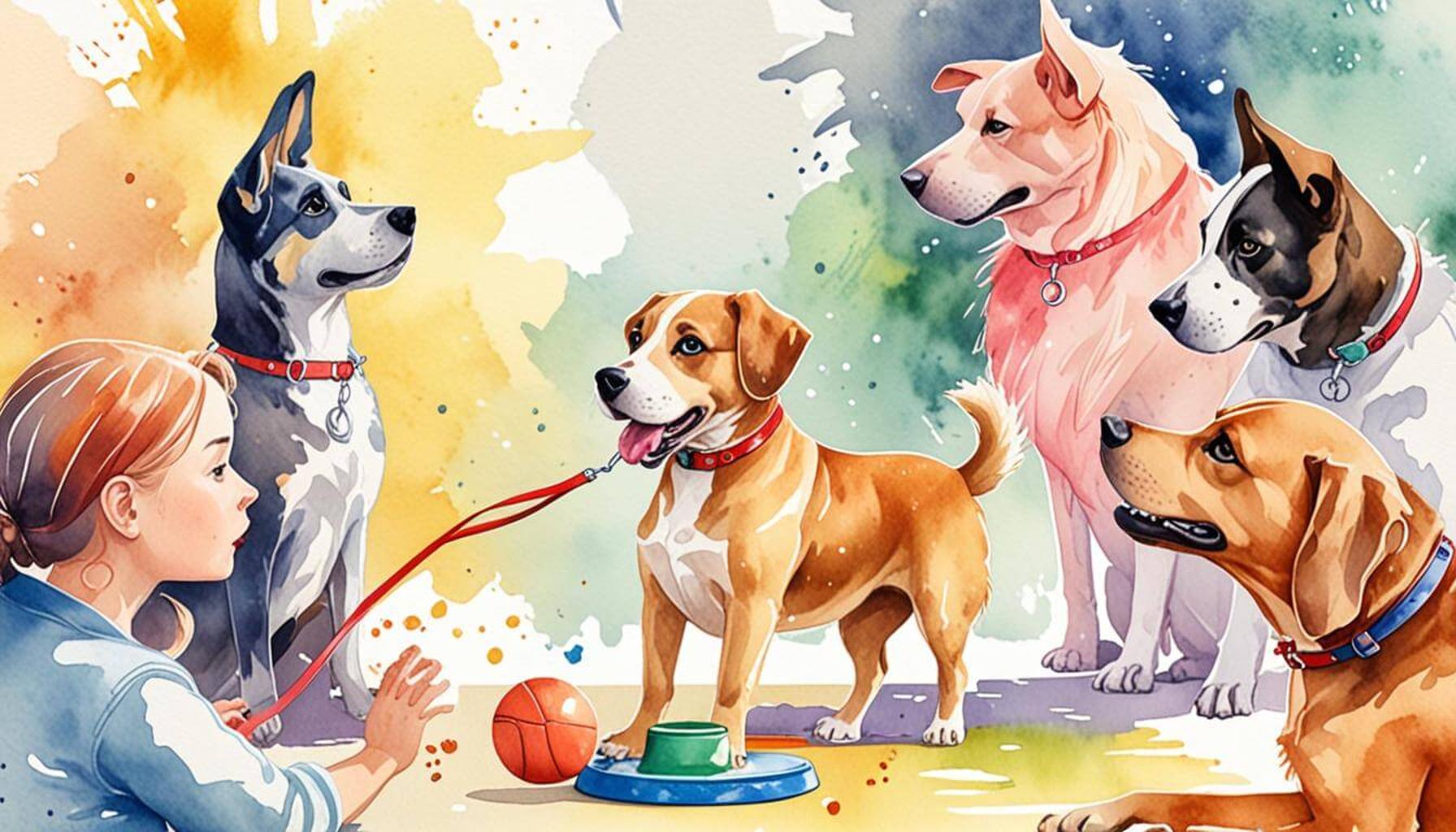
- Clicker Training: This method employs a clicker to mark desired behaviors, accompanied by a reward. The clear auditory cue helps pets understand exactly what action is being reinforced. For example, if your dog approaches a new person calmly, a ‘click’ followed by a treat solidifies this positive behavior. Clicker training not only sharpens obedience but also enriches the experience of meeting and mingling with others.
- Desensitization: For pets that may exhibit fear or anxiety during social encounters, gradual desensitization can be immensely beneficial. Start by exposing your pet to less intimidating environments or stimuli at a distance and gradually decrease that distance over time. This slow approach enables pets to acclimate without feeling overwhelmed, fostering resilience in various social situations.
- Enrichment Activities: Adding mental stimulation can significantly influence a pet’s social behavior. Activities like puzzle toys, scent work, or agility training tap into natural instincts and help channel energy positively, leading to more relaxed interactions with both humans and fellow animals.
- Group Classes with Variants: While training classes are valuable, consider joining classes that focus on specific skills like agility or obedience competitions. Engaging in these specialized classes not only builds social skills through interaction but also encourages teamwork between pet and owner, enhancing their bond.
- Field Trips: Enhance your pet’s socialization by planning outings to various public locations, such as the farmer’s market or outdoor cafes. The hustle and bustle of diverse settings provide opportunities for your pet to encounter different smells, sounds, and sights, reinforcing their ability to stay composed and unfazed.
In addition to these advanced techniques, it is crucial to remain vigilant about your pet’s unique personality traits. Not every approach works for every animal—some dogs may enjoy the thrill of a bustling park, while others may prefer the calm of a quiet beach. Tailoring your training efforts to suit your pet’s comfort levels and natural inclinations adds layers to their social skills development.
Further research also emphasizes the impact of positive social experiences during critical development stages. According to animal behaviorist studies, the first 16 weeks of a dog’s life are particularly influential in shaping their social confidence. This period is crucial because early interactions lay a foundation for sociability in adulthood. Meanwhile, for cats, fostering social skills can significantly enhance their adaptability and reduce stress as they encounter new experiences throughout their lives, especially if they are early conditioned to diverse environments and interactions.
By embracing these advanced techniques and understanding your pet’s individual needs, you can effectively navigate the journey of animal training for companionship. With continuous effort, both dogs and cats can flourish into fully socialized companions, ready to share in all of life’s adventures.
LEARN MORE: Click here to discover the benefits of positive training
Conclusion: The Path to Socialization and Companionship
In conclusion, animal training for companionship is an essential journey that impacts not only the lives of dogs and cats but also the well-being of their human counterparts. As we have explored, developing social skills in pets is a multifaceted endeavor that requires patience, understanding, and a tailored approach. By implementing training techniques such as clicker training, desensitization, and engaging enrichment activities, pet owners can facilitate the effective growth of their companions’ social abilities.
Moreover, recognizing the significance of critical early development stages allows pet owners to make informed decisions about their training strategies. Studies reveal that socialization during the first few months of a pet’s life sets the groundwork for their future interactions. This insight emphasizes the necessity for responsible pet ownership that fosters an environment conducive to exploration and learning.
As we dive deeper into the realm of pet companionship, the focus should remain not solely on obedience but also on creating enriching experiences that resonate with each pet’s unique personality. Every interaction and outing serves to enhance their confidence and adaptability in an ever-changing world. By advocating for compassionate training methods and prioritizing social experiences, pet owners can ensure their furry friends are not only well-behaved but also flourishing social companions.
Ultimately, the bond between animals and humans thrives on mutual understanding and the continual effort to develop social skills. As you embark on your journey together, remember that the rewards of a well-socialized pet extend far beyond a tranquil home; they pave the way for countless shared adventures, joy, and companionship for a lifetime.