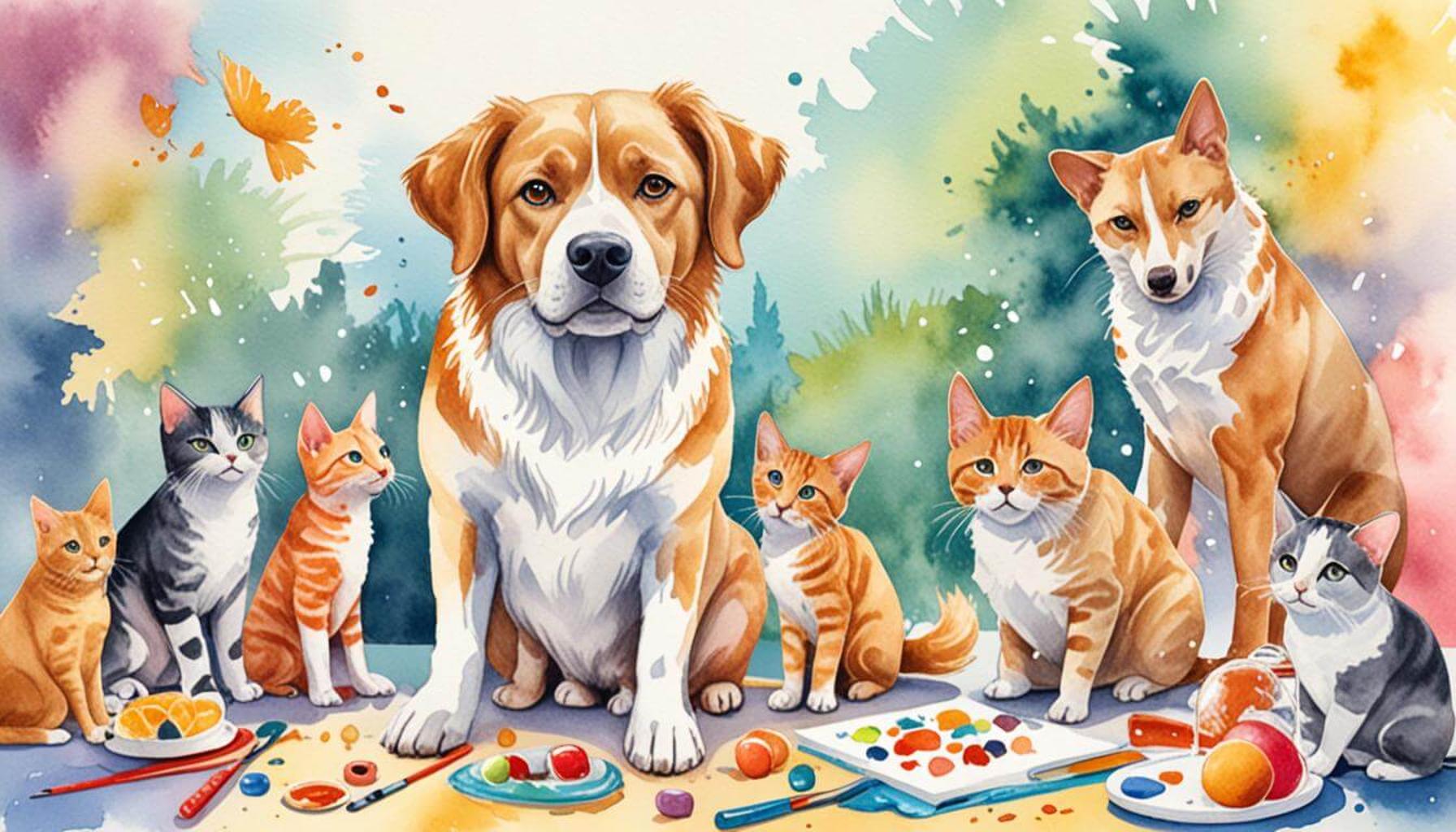
The Impact of Environmental Enrichment on Animal Training: Strategies to Stimulate Learning
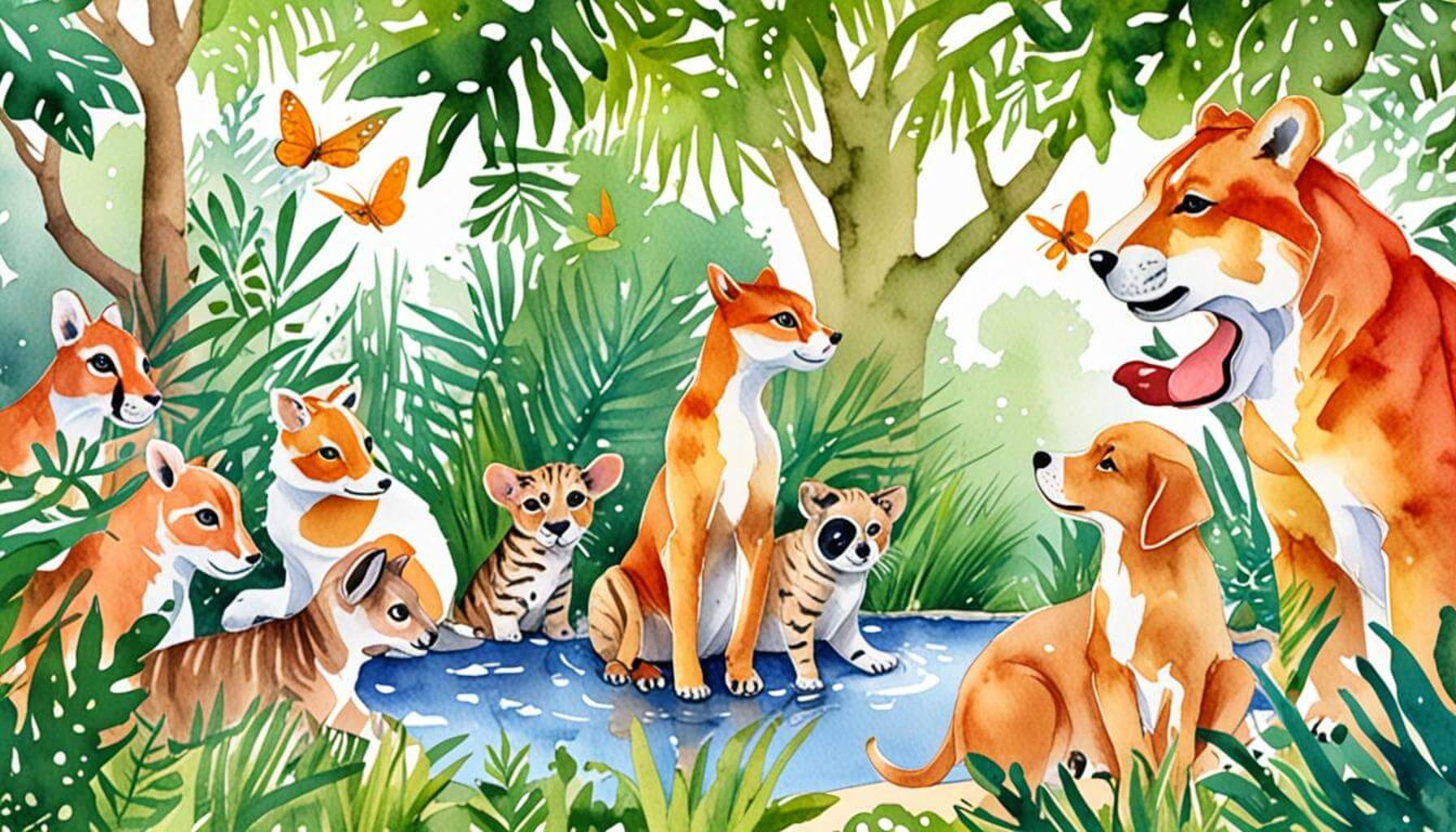
Understanding Environmental Enrichment
Training animals, whether in domestic settings, zoos, or rehabilitation centers, requires more than just a reward-based system. To achieve meaningful learning experiences, the concept of environmental enrichment cannot be overlooked. This multidimensional approach enriches an animal’s environment, fostering cognitive growth and emotional well-being, thus promoting a deeper understanding and bond during training sessions.
Variety of Stimuli is foundational to environmental enrichment. For example, dogs can benefit from a range of toys that vary in shape, texture, and sound. A bone-shaped chew toy may intrigue a dog, while a squeaky ball can stimulate its auditory senses. Similarly, cats might enjoy climbing structures, which incorporate different heights and textures, allowing them to exercise and explore their natural instincts. Various stimuli not only catch an animal’s attention but also encourage them to think critically and adaptively.
Social Interaction is another crucial aspect. In many animal training contexts, such as at shelters or in pet homes, providing opportunities for interaction can greatly enhance learning. For instance, having dogs train alongside their peers can create a competitive yet supportive environment, stimulating quicker learning and bonding through social reinforcement. In zoos, species that exhibit high social structures, like elephants or primates, thrive when they have the chance to interact with their group, leading to improved behavioral health and training outcomes.
Moreover, incorporating problem-solving opportunities is essential. Puzzles designed for animals, such as treat-dispensing toys, help engage their minds. A dog faced with a puzzle that requires it to figure out how to access its favorite snack fosters critical thinking skills while keeping training sessions exciting. This not only enhances learning but also combats boredom, which can otherwise lead to destructive behaviors.
Effective Strategies for Enrichment
Several strategies can be implemented to ensure a rich training environment:

- Utilizing Toys and Puzzles: Engaging animals with interactive objects, such as toys that require manipulation to dispense treats, provides mental stimulation and promotes patience and creativity.
- Incorporating Sensory Experiences: Using different scents, such as introducing a variety of food scents or safe essential oils, can captivate animals’ senses, leading to more potent associations during training.
- Establishing Routine and Variety: While routine is essential for building familiarity and security, introducing new experiences—like different locations for training or various people to interact with—can keep animals intrigued and enhance their capacity to learn.
In conclusion, the exploration of environmental enrichment and its relation to animal training reveals not just a framework for effective learning, but an essential element for overall animal welfare. By prioritizing these enriching practices, trainers and caregivers can ensure that animals not only learn effectively but flourish emotionally and psychologically. This holistic approach is not merely a trend; it is a vital consideration for the well-being of animals in any setting. Discovering the advantageous outcomes of these methods opens the door for further investigation into the ways we can improve animal interactions and training techniques.
DON’T MISS: Click here for essential tips on pet care
Unleashing the Power of Environmental Enrichment
The significance of environmental enrichment in animal training transcends mere novelty; it is a crucial component that enhances an animal’s learning capacity and emotional fulfillment. Research has shown that an enriched environment leads to improved cognitive functions and better training results. When animals are provided with stimulating surroundings that engage their senses, they not only learn faster but also retain information more effectively. This enhances the bond between trainers and their animals, transforming training sessions into rewarding experiences for both parties.
One of the most effective aspects of environmental enrichment is the utilization of varied contexts. Training animals in a range of environments, whether it’s outdoors, indoors, or in social settings, can significantly affect their learning abilities. For instance, dogs trained in a park setting will often exhibit different behaviors and reactions compared to training sessions conducted at home. By exposing them to different stimuli—ranging from the rustling of leaves to the sounds of birds—trainers can help solidify their adaptability and responsiveness.
Moreover, the incorporation of naturalistic settings plays a vital role in fostering an animal’s instinctual behaviors. Animals are instinctively wired to explore their surroundings; thus, creating a training space that mimics their natural habitat can greatly enhance engagement. For example, primates trained in environments that include trees, climbing structures, and natural vegetation are more likely to display their innate behaviors, making training not only effective but also enjoyable. This reinforces the idea that training should transcend traditional methods and embrace a more holistic approach that considers the animal’s evolutionary background.
According to a study published in the Journal of Animal Behavior, animals that experience a diverse range of environmental stimuli exhibit greater creativity and problem-solving skills. This finding holds true across various species, from dogs learning obedience commands to elephants mastering complex tricks. The evidence is compelling: animals surrounded by enriched environments tend to display reduced stress levels and less behavioral issues, which in turn leads to a more focused training experience.
In order to effectively implement environmental enrichment in training practices, trainers and caretakers can adopt several strategies:
- Varied Training Locations: Rotate training sites to expose animals to new challenges and distractions, enhancing their ability to generalize commands.
- Incorporate Movement: Utilize activities that encourage physical exercise, such as fetch or obstacle courses, which stimulate both the mind and body.
- Engage the Senses: Introduce new scents, sounds, and textures during training sessions to create a multisensory experience that keeps animals intrigued and motivated.
By drawing on these strategies, trainers can create a dynamic learning environment that maximizes animals’ potential while addressing their psychological and emotional needs. This holistic approach transforms traditional training methodologies and enhances the overall welfare of animals, paving the way for more meaningful and effective learning experiences.
The Impact of Environmental Enrichment on Animal Training: Strategies to Stimulate Learning
In the realm of animal training, the significance of environmental enrichment cannot be overstated. This concept revolves around enhancing an animal’s environment to promote psychological and physical well-being, which has direct implications for learning and behavior. Research has shown that animals exposed to enriched environments demonstrate improved cognitive abilities, resulting in enhanced learning outcomes.One of the most effective strategies to stimulate learning through environmental enrichment involves the incorporation of sensory stimuli. This may include various textures, sounds, and scents that stimulate the animal’s senses. For example, dogs trained in environments where they can experience different smells or textures can demonstrate improved problem-solving skills. Additionally, providing animals with engaging toys or puzzles can challenge them cognitively, ultimately leading to better retention of training commands.Another key aspect to consider is social interaction. Animals are inherently social creatures, and incorporating opportunities for interaction—whether with humans or other animals—can significantly enhance their learning experience. Facilitating group training sessions or playtime can not only motivate animals but also provide a sense of community that is conducive to effective learning. The benefits of socialization don’t stop at the training aspect; they extend to these animals’ overall emotional health.Moreover, varying the training environment is essential. Changing locations, introducing new challenges, and creating unpredictable scenarios can drastically improve an animal’s adaptability and readiness to learn. Such practices ensure that animals do not become complacent in familiar settings, keeping their minds active and engaged, which is crucial in any learning process.In addition, it is important to understand that every species may respond differently to different types of enrichment. Tailoring the enrichment strategies to specific animal needs, whether it’s a cat, dog, or more exotic species, ensures a higher success rate in training programs. Therefore, implementing a careful observation process to determine what kinds of enrichment are most effective for each unique learner is invaluable.As we delve deeper into the impact of environmental enrichment on animal training, it becomes clear that the strategies employed can lead to a profound transformation in how animals learn and interact with their world. This enriched approach not only enhances learning opportunities but also paves the way for a more harmonious relationship between humans and animals, fostering an environment of mutual understanding and respect.
| Category | Advantages |
|---|---|
| Sensory Stimulation | Enhances problem-solving skills and retention. |
| Social Interaction | Motivates learning through community engagement. |
| Environmental Variation | Promotes adaptability and reduces complacency. |
| Tailored Approaches | Maximizes success based on individual species needs. |
DISCOVER MORE: Click here to learn about pet adoption tips
The Role of Social Interaction in Enrichment and Learning
Another significant aspect of environmental enrichment is the incorporation of social interaction into training regimens. Animals are inherently social creatures, and engaging them in a social context can enhance their learning experiences. For instance, dogs that train alongside their peers often demonstrate heightened motivation and improved problem-solving skills. This phenomenon is particularly evident in group training sessions where positive reinforcement from both trainers and fellow animals can lead to a more stimulating environment that promotes learning.
Studies have shown that social animals, such as dolphins and primates, thrive when they can interact with one another during training. In marine parks, trainers often facilitate collaborative tasks where dolphins work together to accomplish complex behaviors. These collaborative interactions not only strengthen the social bonds between the dolphins but also reinforce concepts learned during training. The evidence underscores the importance of social dynamics in enhancing motivation and retention of learned behaviors.
However, social interaction must be approached carefully. It is vital to ensure that the relationships among animals do not lead to distractions or anxiety. Trainers should monitor group dynamics and be prepared to separate individuals if conflict arises, as this could hinder progress and effectively reduce the benefits of social learning. Building a positive and supportive group atmosphere is essential for maximizing the benefits of social enrichment.
Incorporating Play as a Training Tool
Beyond social interaction, play is another powerful strategy that can significantly enhance the training process. Playful activities allow animals to express their natural behaviors and explore their environment, which fosters creativity and problem-solving skills. For example, using interactive toys or training games stimulates an animal’s cognitive abilities while also keeping them engaged and entertained.
According to research published in the Animal Cognition Journal, animals that engage in play demonstrate higher learning abilities compared to their counterparts that do not. This is particularly clear in species such as dogs, cats, and birds. Training sessions infused with playful elements, such as hide-and-seek with treats or agility challenges, tend to yield better results as they create a positive association with learning experiences.
- Encouragement through Games: Introduce competitive or cooperative games that require animals to utilize their training and problem-solving skills while having fun.
- Interactive Toys: Utilize puzzle feeders or toys that dispense treats when manipulated correctly, stimulating both mental and physical activity.
- Rewarding Exploration: Allow animals to engage in free play where they can explore new environments or objects, making them more adaptable and inquisitive during structured training.
The integration of play within environmental enrichment not only complements traditional training methods but also addresses the emotional and psychological well-being of animals. Trainers must recognize that a well-rounded training program incorporates the enjoyment and fulfillment that comes from play, thereby crafting an enjoyable learning journey for the animals.
Utilizing Technology for Enhanced Learning Experiences
In today’s digital age, technology plays an indispensable role in enhancing environmental enrichment and animal training. Tools such as mobile apps and smart training devices offer innovative ways to engage animals, track their progress, and tailor training strategies to their individual needs. For example, remote-controlled toys or automated treat dispensers can be utilized to reward animals based on their performance, thus reinforcing positive behaviors in real-time.
Furthermore, technologies like virtual reality (VR) are being explored for specific training scenarios, particularly in highly intellectual species such as elephants or marine mammals. These advances provide trainers with an opportunity to simulate diverse environments or challenges, thereby broadening the scope of learning experiences. Collaborative research suggests that these enhanced tools can lead to more engaged animals who actively participate in their training routines.
As trainers and caretakers continue to investigate new ways to employ environmental enrichment within their programs, a clear understanding of how to blend various strategies will become increasingly critical. By appreciating the importance of social interaction, play, and technology, trainers can create learning environments that not only maximize animals’ potentials but also enrich their lives considerably.
DIVE DEEPER: Click here to learn about the impact of telemedicine on pet
Conclusion: A Paradigm Shift in Animal Training
In summary, environmental enrichment undeniably plays a transformative role in enhancing animal training processes across various species. By incorporating elements such as social interaction, play, and the innovative use of technology, trainers can create dynamic learning environments that stimulate animals both intellectually and emotionally. The evidence supports that engaged animals, who are provided with opportunities for social engagement and playful exploration, exhibit improved learning capabilities, making training sessions not only more effective but also more enjoyable.
Moreover, these strategies extend beyond mere obedience training; they address the overall well-being of the animals, fostering a deeper connection between trainers and their charges. This holistic approach encourages animals to become active participants in their own learning journeys, as they explore their natural instincts and form bonds with their peers.
As we embrace these methodologies, there is much to consider regarding the future of animal training practices. Ongoing research and innovation will surely unveil even more exciting strategies for enhancing environmental enrichment. For trainers, caretakers, and animal lovers alike, it becomes imperative to remain informed about these advancements and their practical applications. By cultivating environments that prioritize both learning and enrichment, we not only optimize the training process but also ensure a fulfilling life for the animals under our care, paving the way for a more compassionate and knowledgeable approach to animal training.