The Role of Training in the Relationship between Owners and Pets

The Importance of a Strong Owner-Pet Dynamic
A well-trained pet can greatly enhance the quality of the owner-pet relationship. When pets understand commands, expectations, and boundaries, they are more likely to exhibit positive behaviors. This foundational understanding sets the stage for a harmonious household where both pets and owners feel secure and valued.
Benefits of Training
- Improved Communication: Training fosters a common language between owners and pets. For instance, teaching a dog basic commands such as “sit,” “stay,” or “come” creates a mutual understanding that leads to fewer misunderstandings. This is especially important for new puppy owners who may feel overwhelmed by the responsibilities of training.
- Behavior Management: Through effective training, unwanted behaviors such as chewing on furniture or excessive barking can be minimized, reducing potential sources of friction. A well-trained pet knows what is expected and is less likely to behave in ways that strain the human-animal bond.
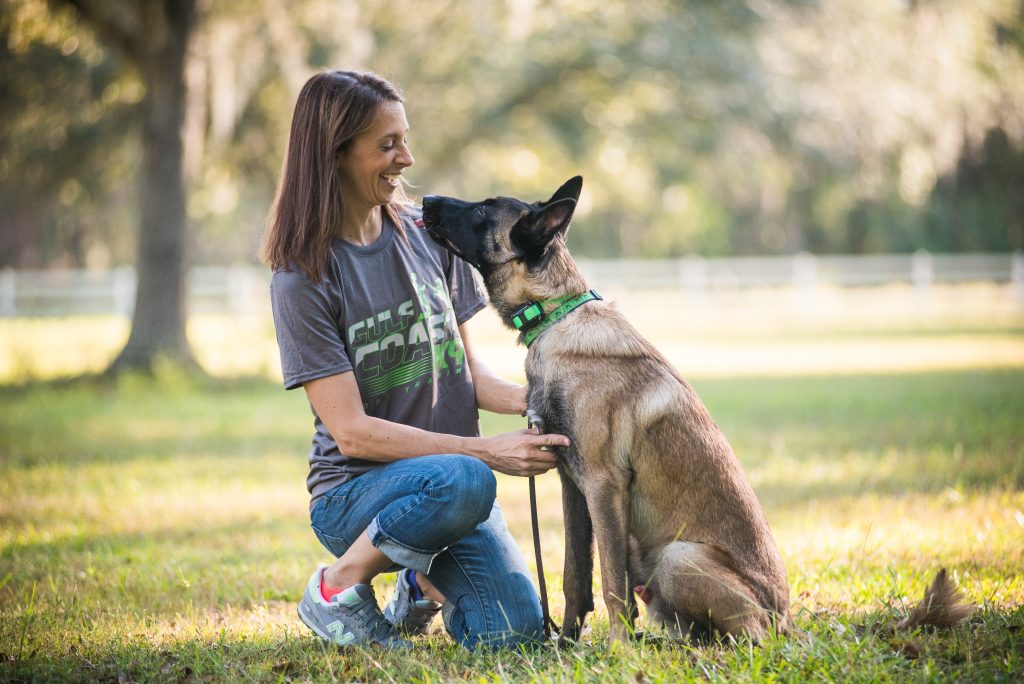
- Strengthened Bond: The time spent training, whether it’s through fun tricks or obedience exercises, solidifies the bond between pet and owner. Shared activities like agility training or simple fetch games do not just teach skills but also foster trust and affection, creating lasting memories and deeper connections.
In the United States, the necessity of training pets cannot be overstated. Whether it’s a young puppy learning the ropes or a rescue dog adjusting to a new home, the role of training becomes pivotal. This proactive approach not only shapes a pet’s behavior but can significantly enhance their wellbeing, empowering owners with the tools needed to engage effectively and thoughtfully with their pets.
Anecdotes and Insights
Numerous studies underscore the strong correlation between well-trained pets and the happiness of their owners. For example, data from shelter organizations suggest that trained dogs are less likely to be surrendered, showcasing how foundational training is to pet ownership. The emotional welfare of pets directly correlates with their behavior, illuminating the significance of training as a preventive measure against behavioral issues that can lead to abandonment.
Exploring the dynamics of training reveals not just how it equips owners with essential skills, but also unveils the profound impact on the pet’s quality of life. A well-trained pet often experiences less anxiety, enjoys greater social interactions, and engages more enthusiastically with their environment. Overall, understanding the role of training enriches the shared journey of pets and their owners, paving the way toward a more fulfilling and harmonious coexistence both at home and in public settings.
As we delve deeper into training techniques and philosophies, it becomes clear that this investment in education yields long-term benefits for both species, promoting happiness, understanding, and companionship in what is truly a lifelong relationship.
DIVE DEEPER: Click here to discover more
Training: A Cornerstone of Successful Pet Ownership
Training is not merely an accessory to pet ownership; it is a fundamental necessity that forms the backbone of a healthy owner-pet relationship. By laying down the framework for effective communication and behavior management, training plays a critical role in ensuring both pets and their owners thrive together. A well-trained pet is less likely to engage in destructive behaviors or become a source of stress for their owner, marking training as an essential step in preventing common pitfalls in the owner-pet dynamic.
Guiding Through the Stages of Development
The relationship between an owner and a pet often mirrors the stages of human development. Just as children benefit from structured learning environments, pets—especially young ones—require guidance and direction. For puppy owners, the early days can be both exciting and challenging. Puppy training classes are increasingly popular across the United States as they provide an essential foundation for socialization and basic obedience in a controlled setting. Engaging a professional trainer not only helps in socializing a puppy but also teaches owners how to communicate effectively with their pets.
Key Training Techniques for a Harmonious Relationship
Training may encompass various techniques and strategies, each tailored to the specific needs of the pet and the owner. Here are a few effective methods:
- Positive Reinforcement: This approach focuses on rewarding desired behaviors, creating a joyful learning experience for the pet. Owners who use treats or praise as rewards quickly find their pets eager to learn and please.
- Clicker Training: Utilizing a clicker as a marker for good behavior, this method allows clear communication. The precise sound of the click indicates to the pet that they have done something right, reinforcing learning and connection.
- Consistency is Key: Establishing a consistent routine is crucial for effective training. Both the techniques used and the commands given should remain the same to avoid confusing the pet, ensuring they quickly grasp what is expected of them.
While these techniques can vary in application, their ultimate goal is the same: to build a strong, trusting bond. The emotional gratification experienced by both owners and pets makes the commitment to training worthwhile, fostering a more enjoyable home environment.
Beyond just the immediate benefits of training, sustainable pet ownership also involves a long-term engagement with one’s pet through continuous learning and reinforcement. The effects of a well-structured training program extend far beyond the classroom, influencing everyday interactions and leading to a more profound understanding of each other’s needs and desires. As we explore the implications of effective training further, it becomes evident that the journey of shaping a pet’s education goes hand-in-hand with enhancing the overall owner-pet relationship.
| Training Benefits | Impact on Relationship |
|---|---|
| Improved Communication | Training fosters a better understanding between pet and owner. |
| Behavior Modification | Reduces problem behaviors leading to a harmonious living environment. |
| Increased Safety | Training helps in teaching pets essential commands, preventing accidents. |
| Stronger Bond | Engaging in training activities enhances the bond of trust and companionship. |
| Sociability | Well-trained pets are often more sociable, improving their interactions. |
Training plays a pivotal role in strengthening the relationship between pet owners and their furry companions. Engaging in effective training techniques not only facilitates improved communication but also carves a pathway for enhancing mutual understanding. When pets are taught commands and proper behavior, their owners can acknowledge their needs and respond accordingly, creating a more harmonious household.Moreover, training is essential for behavior modification. Pets often exhibit behaviors that can strain their relationship with their owners, such as excessive barking, jumping, or destructive tendencies. By employing training methods, owners can transform these behaviors into more desirable actions, fostering a peaceful coexistence.In addition, safety is a significant concern for many pet owners. Through training, pets learn crucial commands that could avert dangerous situations, such as responding to a recall or staying away from hazardous areas. Finally, training opens the door to a stronger bond. Training sessions provide opportunities for quality interactions, ultimately deepening the connection between owner and pet. A well-trained pet not only enjoys a higher quality of life but also experiences greater sociability, making them more agreeable companions in various settings.
DON’T MISS: Click here to uncover the benefits of positive training
Strengthening Bonds Through Interactive Training
Training serves as a vital tool in forging a deep connection between owners and pets, transforming mere companionship into a meaningful relationship grounded in trust and understanding. Beyond the basics of obedience, interactive training techniques can enhance the bond through shared experiences and mutual enjoyment. Engaging in activities such as agility training, obedience competitions, or even trick training can provide both mental stimulation and physical exercise, allowing the owner and pet to explore their capabilities together.
Socialization as a Training Tool
A well-rounded training program prioritizes socialization—an essential aspect for any pet. Early socialization can reduce fear and aggression in pets, equipping them to thrive in diverse environments. Whether introducing dogs to other animals, people, or new places, structured socialization facilitates positive experiences that inform future behaviors. Reports from the American Kennel Club (AKC) indicate that improperly socialized pets are more prone to developing behavioral issues, which can strain the owner-pet relationship. By providing these formative experiences, owners can nurture their pets into well-adjusted companions, thus solidifying the bond between them.
The Benefits of Training on Behavioral Issues
Training extends well beyond teaching basic commands; it effectively addresses behavioral concerns, enhancing the quality of life for both pet and owner. Behavioral challenges such as barking, chewing, and separation anxiety are common issues faced by many owners. Through targeted training methods, these problems can often be mitigated or resolved. For instance, using desensitization techniques can help alleviate separation anxiety by gradually acclimatizing the pet to being apart from their owner. This not only reduces stress for the pet but also enhances the owner’s confidence in handling their beloved companion.
Furthermore, keeping up with continuous training—such as revisiting commands or learning new tricks—not only maintains a pet’s behavioral standards but also creates a rewarding learning environment. Various studies have indicated that continued mental challenges can lead to improved canine cognition and emotional health, a testament to the potential of maintaining an active relationship through training.
Training and Owner Responsibilities
Effective training also emphasizes the responsibilities of pet ownership. It empowers owners to take a proactive role in decision-making regarding their pet’s behavior and well-being. Regular training sessions require that owners commit time to understanding their pets deeply, fundamentally altering how they view their role in the relationship. It cultivates a sense of partnership, where owners become active participants in their pet’s development rather than passive observers.
- Engagement in Learning: Regular training engages owners mentally and physically, fostering deeper interactions and ongoing communication.
- Building Confidence: Consistently reinforcing command understanding helps build a pet’s confidence, encouraging them to engage positively with their environment.
- Problem Identification: Training encourages owners to identify and address issues early, facilitating timely interventions that preserve the health of the owner-pet bond.
As the relationship evolves through training, it becomes apparent that this practice is not merely about obedience; it encapsulates the essence of a meaningful partnership. The experiences shared during training sessions resonate deeply, proving to be a rewarding journey for both pets and their owners. By intentionally investing in training, owners lay the foundation for a fulfilling life shared with their pets, characterized by trust, understanding, and a uniquely shared language.
LEARN MORE: Click here for insights on positive training
Conclusion: The Integral Role of Training in Owner-Pet Relationships
In the journey of pet ownership, the role of training cannot be understated. It is a vital component that not only nurtures obedience but also fosters a profound emotional connection between owners and their pets. Through interactive training, both parties engage in a shared experience that goes beyond mere commands; it creates memories and strengthens bonds. By prioritizing activities that emphasize socialization, owners are not only preparing pets to navigate the complexities of the world but also ensuring their emotional security, paving the way for healthier dynamics in their interactions.
Addressing behavioral issues through dedicated training methods can transform challenges into opportunities for growth. The empowerment felt by owners as they tackle these concerns with their pets leads to an elevated sense of partnership. As sad to think, many pets enter shelters due to preventable behavioral issues, underscoring the importance of early and ongoing training. By committing to the responsibility of training, owners embark on a path that enhances behavioral understanding while creating a more confident and well-adjusted companion.
As we reflect on this significant aspect of pet care, it’s evident that training is much more than a means to an end; it’s a journey that propels each relationship to new heights. A pet that is well-trained tends to be more balanced and engaged, thus enriching the owner’s experience as well. The rewards of investing time and effort into training are boundless, promising a lifetime of joy filled with trust, cooperation, and mutual respect. Owners are encouraged to embrace training as an ongoing commitment, recognizing it as the cornerstone of a rewarding partnership—one that symbolizes the unique bond that can only exist between humans and their beloved pets.