
The Use of Technology in Animal Training: Apps and Devices to Enhance the Experience
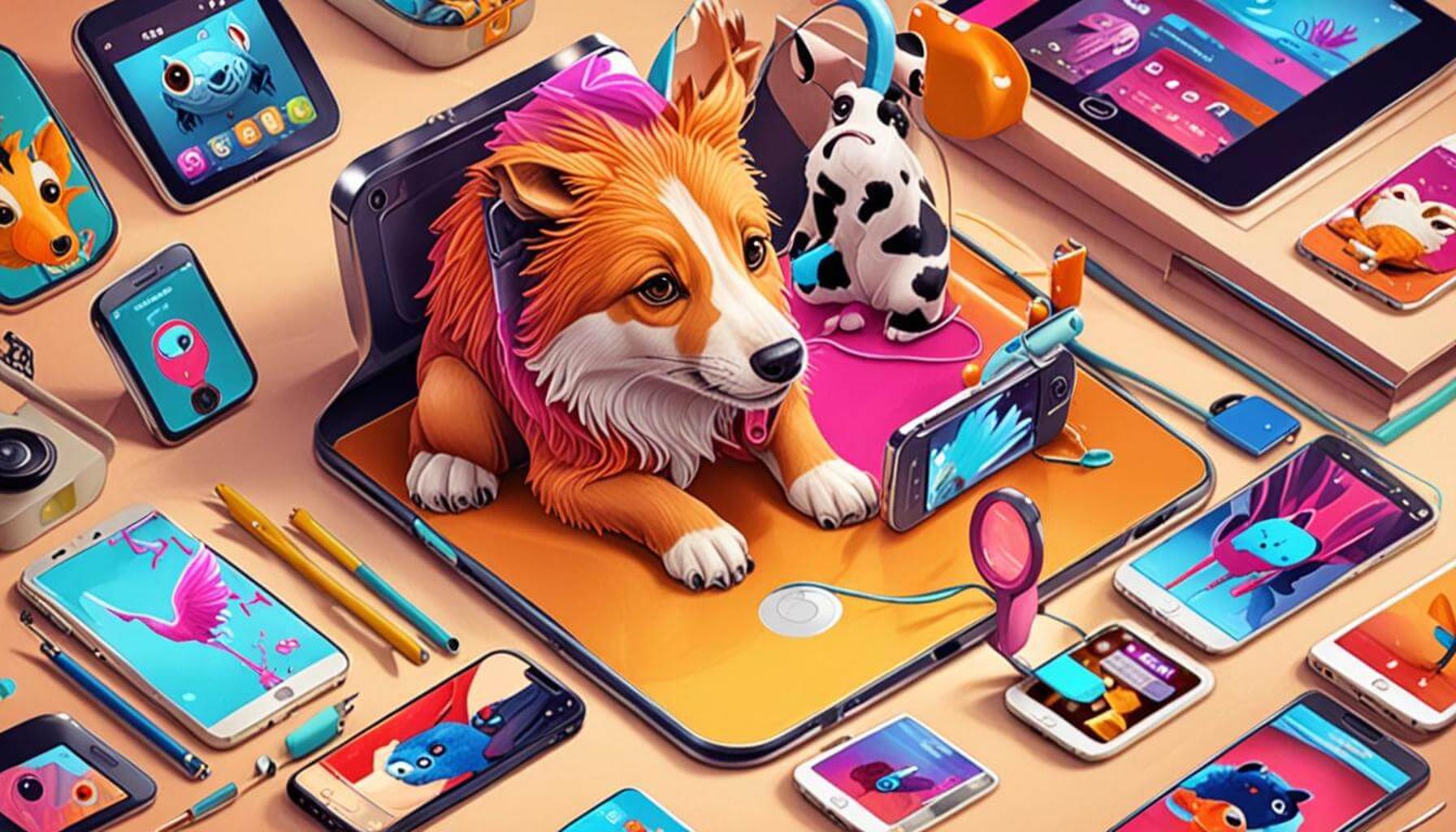
Technological Innovations in Animal Training
In the dynamic world of animal training, the integration of technology has emerged as a game-changer. This revolution is within arms’ reach for trainers and pet owners alike, as various innovative tools and resources help nurture better relationships with their furry companions. Whether it’s through mobile applications or specialized devices, modern solutions are making the training process more effective and enjoyable.
Smarter training approaches open a world of opportunities at your fingertips. With the right tools, you can:
- Track your pet’s progress in real-time, allowing you to monitor improvements and identify areas that require more attention.
- Utilize interactive games that stimulate learning and maintain engagement, turning training into a fun activity.
- Access expert advice through video demonstrations, ensuring you are well-equipped with knowledge and techniques from professionals.
These innovations cater to various aspects of training, including obedience, agility, and behavioral correction, which are essential for a well-adjusted pet. For example, technology like clicker training apps create an interactive way to reinforce desired behaviors by using sound cues effectively. Commonly utilized, these apps guide owners in the precise timing of rewards, building a communication bridge between owner and pet.
Moreover, wearable devices like smart collars have become increasingly popular. These gadgets track activity levels, allowing pet owners to assess whether their dogs are getting enough exercise throughout the day. Wearable technology not only helps in setting fitness goals but also aids in managing potential health issues related to obesity. Similarly, remote training collars provide an effective way to reinforce commands from a distance, making it easier to train dogs while off-leash during outdoor activities.
As pet ownership continues to rise across the United States, reaching over 67% of households according to recent surveys, the demand for effective training methods is paramount. The integration of technology into training practices not only enhances the overall experience but also fosters a stronger bond between animals and their humans. By exploring these advancements, pet owners can engage in a more informed and effective training process, leading to happier, healthier pets.
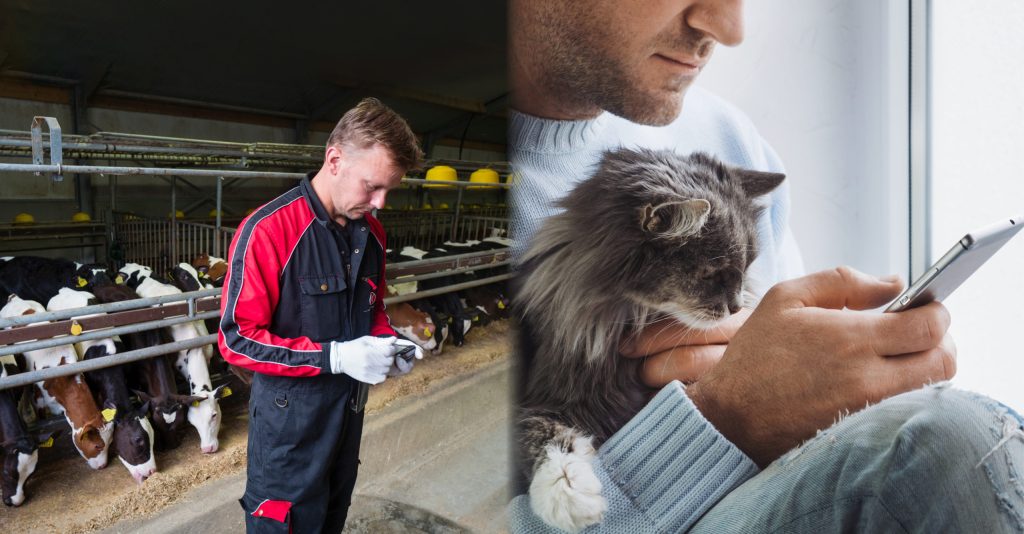
DISCOVER MORE: Click here for essential training techniques
Transforming the World of Animal Training
In recent years, the dynamic field of animal training has experienced a profound shift, thanks to remarkable advancements in technology. As pet ownership reaches unprecedented levels—approximately 70% of U.S. households now have pets—the demand for effective and efficient training solutions has surged. Today, both trainers and pet owners are empowered by a plethora of innovative apps and devices that not only streamline the training process but also significantly enhance the overall well-being of pets.
One of the most impactful advancements in this realm is the development of interactive mobile applications specifically designed for pet training. These apps serve as comprehensive tools for pet owners, offering a suite of features that cater to a range of training needs and preferences. Among these features are:
- Customized training plans that address the unique characteristics of each pet, considering aspects like breed, age, and temperament. For instance, the training approach for a high-energy breed like a Border Collie will differ vastly from that for a more laid-back breed like a Bulldog.
- Community engagement opportunities, where pet owners can connect and share insights, experiences, and success stories. This supportive network fosters a sense of camaraderie among users, alleviating the challenges that pet training may present.
- Multimedia content, including instructional videos and tutorials that provide visual guidance, making it easier for pet owners to grasp various training techniques. This tailored learning approach ensures that even novice owners feel confident in their training efforts.
Take, for example, applications like Pawtrack, which allows users to monitor their pet’s activity and adjust training routines accordingly. Similarly, Training with Clicker offers a detailed interface for tracking progress and setting reminders—essential components that the traditional training approach often neglects. The ability to document milestones not only keeps owners organized but also celebrates the training journey, reinforcing positive behavior in pets.
In addition to mobile apps, the incorporation of specialized devices is revolutionizing how pet training is conducted. Smart collars represent a significant leap forward; these devices monitor physical activity, behavioral patterns, and even sleep quality, providing valuable insights into a pet’s lifestyle. For example, owners can assess whether their furry companions are getting enough exercise or need more engagement, allowing for adjustments in training plans.
Remote training collars are another extraordinary innovation that empowers pet owners to communicate commands over distances, making them ideal for outdoor training sessions. These collars come equipped with varying stimulation settings, allowing for more flexible training without relying solely on physical restraints like leashes. This freedom can greatly enhance the training experience, promoting safety while empowering pets to learn and explore.
The integration of technology in animal training is not merely a trend; it signifies a foundational shift in how we understand and interact with our pets. With tools and resources becoming more accessible, the potential for improving pet training and strengthening the bond between pets and their humans is immense. Each technological breakthrough opens new avenues for understanding our animal companions better, leading to enriched relationships and enhanced overall well-being. The future of pet training is bright, and as technology continues to evolve, so will our approach to nurturing these precious relationships.
| Technology Type | Key Features |
|---|---|
| Wearable Devices | Track vital signs and activity levels, allowing for personalized training adjustments. |
| Training Apps | Provide tutorials, tracking systems, and community forums to share training progress and tips. |
| Remote Training Devices | Enable trainers to issue commands and corrections virtually, enhancing distance training. |
| Interactive Toys | Stimulate mental engagement through puzzles and challenges integrated with apps. |
| Behavioral Analysis Tools | Utilize AI to assess and improve behavioral patterns based on data-driven insights. |
The integration of such technology not only enhances the training experience for animals but also fosters a deeper understanding between the trainer and the animal, creating a more efficient learning environment. By leveraging these innovative devices, trainers can streamline the process and achieve faster and more effective results, making technology an indispensable ally in the realm of animal training. These advancements encourage pet owners to become more involved in the training process, enriching the bond with their animals while ensuring their well-being. As we explore further, the transformative impact of this technology on both efficiency and interaction becomes clear.
LEARN MORE: Click here to enhance your pet’s training
Innovative Tools and Techniques for Enhanced Training
The landscape of animal training technology is continuously evolving, with new tools and techniques emerging that promise to revolutionize the way pet owners engage in training sessions. One area gaining significant traction is the use of virtual reality (VR) and augmented reality (AR) in training scenarios. These technologies create immersive environments that simulate real-life situations, allowing pets to learn crucial skills in a controlled yet engaging manner. For instance, a VR platform could mimic a bustling park or busy street, helping pets acclimate to distractions while honing their focus on commands.
Another notable advancement is the rise of gamified training apps, which turn the often tedious training routine into an enjoyable experience for both owner and pet. Apps like Puppr utilize game-like elements such as rewards and challenges to motivate pets. By incorporating aspects of play into training, pets are less likely to perceive these sessions as chores; rather, they view them as an opportunity for bonding and fun. This approach leverages the science of operant conditioning, reinforcing positive behavior with rewards that pets genuinely enjoy.
Moreover, there is a growing trend toward utilizing biometric tracking in animal training. Devices like smart collars are equipped with sensors that provide insights into pets’ stress levels and emotional states. By analyzing this data, owners can adjust their training methods to better suit their pet’s needs, ensuring that training remains a positive experience. For instance, if a collar indicates elevated heart rates during specific exercises, this could signal that the pet is feeling overwhelmed or anxious. Trainers can then adapt their approach, perhaps incorporating more breaks or positive reinforcement to ease their companion’s stress.
Furthermore, the intersection of artificial intelligence (AI) and animal training is paving new pathways for personalized learning experiences. AI-driven platforms can analyze behaviors and responses in real-time, allowing for instant feedback and tailored guidance. Some applications can suggest specific training techniques based on a pet’s progress and challenges, thereby enhancing overall effectiveness. In doing so, AI offers a level of customization previously unattainable, accommodating each pet’s unique learning style.
The implementation of technology does not halt at the training stage; it also extends to safety features that enhance the training experience. For example, GPS-enabled smart collars help track a pet’s location, providing peace of mind for owners, especially during outdoor training sessions. With features such as geofencing, owners can receive notifications if their pet strays beyond a set boundary, ensuring greater security while allowing pets the freedom to explore.
As the offerings of technology in animal training continue to expand, it becomes increasingly accessible for pet owners and trainers alike. The integration of these digital tools not only enhances the efficacy of training methods but also fosters a deeper connection between pets and their humans. With ongoing research and development in this field, the future of animal training holds infinite possibilities, as tech-savvy solutions pave the way for more informed, compassionate, and engaging interactions.
DISCOVER MORE: Click here to learn essential training tips
Final Thoughts on Transforming Animal Training through Technology
In conclusion, the intersection of technology and animal training opens doors to elevate the training experience for both pets and their owners. As we’ve explored the impact of virtual reality (VR), gamified apps, biometric tracking, and artificial intelligence (AI), it’s clear that these innovations not only enhance learning but create a more enjoyable environment for pets. The opportunity to transform traditional training methodologies into engaging, dynamic sessions can help build stronger bonds between animals and their humans, fostering understanding and trust.
The integration of smart devices such as GPS-enabled collars enhances safety and allows owners to track their pets’ progress in real time, ensuring a comprehensive approach to training that prioritizes well-being. As the field of animal training technology continues to grow, pet enthusiasts can explore numerous tools that cater to their specific needs and learning styles. Moreover, the ongoing research exhibits potential for even more advanced solutions that could redefine our interactions with pets.
For pet owners and trainers, embracing these technological advancements is not just about convenience; it’s about adapting to the evolving capabilities of our furry companions. As we look to the future, a tech-savvy approach to animal training seems not only beneficial but essential in creating a harmonious and well-adjusted environment for pets and their families alike. Ultimately, investing time into understanding and implementing these tools can lead to a richer, more fulfilling companionship with our beloved animals.