
Volunteering in Shelters: How to Contribute to Animal Adoption and Make a Difference

Make a Lasting Impact through Shelter Volunteering
Every year, millions of animals in the United States find themselves in shelters, waiting for a second chance at a loving home. By volunteering in these shelters, you can not only enrich your own life but also significantly contribute to the cause of animal adoption. This is a call to action for anyone who has ever thought about making a difference. The need for volunteers is immeasurable, and the rewards are countless, creating a fulfilling experience for both the animals and yourself.
Volunteering at a shelter offers a diverse range of opportunities that cater to various interests and skill levels. Here are some impactful ways you can get involved:
- Fostering Animals: Providing temporary homes for pets until they find permanent families is one of the most pressing needs within shelters. This role is crucial, as many shelters are overcrowded, and fostering helps alleviate space constraints. For instance, a family that fosters a dog not only gives that dog a comfortable temporary environment but also aids in socializing them, making them even more appealing to potential adopters.
- Socialization: Animals in shelters often experience stress and anxiety due to their circumstances, which can impact their behavior. By volunteering to socialize with these animals, you help them get accustomed to human interaction. Regularly visiting and playing with a cat or dog can help develop their personalities and ease their fears, ultimately improving their chances of adoption. For example, volunteers who take dogs for walks can establish positive experiences that make them more adoptable.
- Fundraising: Organizing events or campaigns to raise money is essential for shelters, which often operate on tight budgets. From bake sales to community fun runs, fundraising efforts can significantly contribute to the necessities of the shelter, such as food, veterinary care, and supplies. Creative ideas such as pet photo contests or charity auctions can not only raise funds but also foster community spirit.
- Community Outreach: Spreading awareness about the importance of adopting rather than shopping for pets can create a ripple effect in your community. Many people may not realize the significance of rescue and the joys that come from adopting a shelter pet. By participating in or leading outreach programs, you can educate the public about the benefits of adoption and responsible pet ownership, thus instilling a culture of compassion.
By dedicating just a few hours a week, you can help break the cycle of shelter overpopulation and promote responsible pet ownership. Each small effort contributes to a larger movement towards better futures for countless animals. Initiatives like “Adopt a Shelter Dog Month” in October serve as a reminder of how collective action can lead to impactful change. Together, we can pave the way for adoption success stories that change lives forever.
Are you ready to make a difference? Join the movement today, and discover how your involvement at a shelter can transform not just animals’ lives but your own as well. Whether you have a certain skill set or simply a desire to help, your contribution can spark change and foster hope in the lives of animals who desperately need it.
DON’T MISS: Click here to learn why veterinary telemedicine is essential for your pet’s health
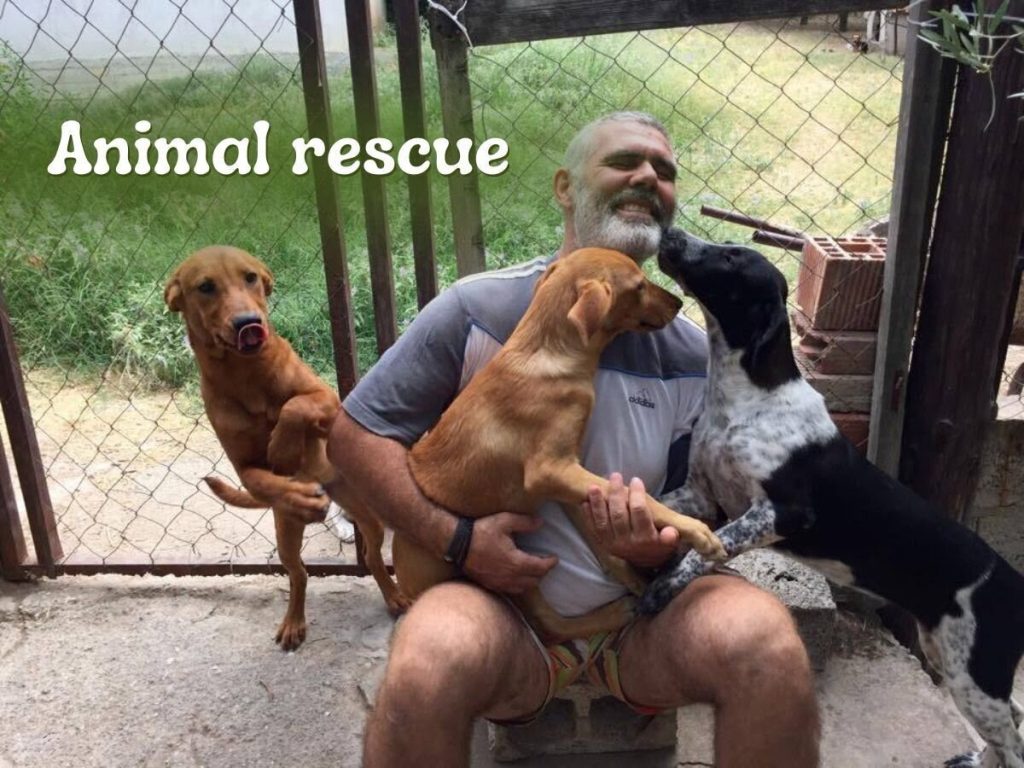
Ways to Get Involved and Make an Impact
When considering how to volunteer in shelters, it’s important to recognize that there are numerous ways to lend a helping hand. Each role you take on can significantly influence the lives of the animals and expedite their journey to a forever home. Here are some key areas where you can make a substantial difference:
- Walking Dogs: Regular exercise is essential for dogs, especially those in shelters who may not have the opportunity to run and play as they should. By volunteering to walk dogs, you provide them with not only physical exercise but also much-needed socialization. This interaction can make a world of difference in alleviating anxiety and improving their behavior, making them more appealing to potential adopters.
- Caring for Cats: Cats also require engagement and care to thrive in a shelter environment. As a volunteer, you can spend time playing with cats, cleaning their spaces, and helping socialize them. Engaging with these furry companions not only boosts their morale but also helps them become more comfortable with human interaction, vital for their adoption chances.
- Administrative Support: If you have skills in organization or administration, shelters often need help with tasks such as managing databases, writing grant proposals, and coordinating volunteer schedules. Your skills could enhance the operational efficiency of the shelter, allowing them to focus more on animal care rather than logistics.
- Education and Adoption Counseling: Sharing your knowledge about responsible pet ownership, training, and care can be incredibly valuable. Volunteers who assist in the adoption process can help potential adopters understand what to expect from their new pet, ensuring long-term success for both the pet and their new family. This advocacy is crucial in guiding people toward making informed decisions about adoption.
As you contemplate how to contribute, remember that volunteering doesn’t need to consume your entire schedule. Many shelters offer flexible hours, accommodating busy lifestyles while still allowing you to dedicate time to a noble cause. Recent studies indicate that shelters with active volunteer programs experience higher adoption rates, demonstrating just how vital your involvement can be in reducing overpopulation and fostering responsible pet ownership.
No matter what skills you bring to the table, your contribution is valuable. If you find yourself unsure of where to start, most shelters welcome inquiries about current needs and volunteer opportunities. This is a chance not only to change the lives of shelter animals but also to enrich your own life through new friendships, experiences, and the joy of making a difference.
In summary, whether you choose to foster, socialize, or provide administrative support, every action counts. The synergy of dedicated volunteers creates a nurturing environment that heightens the likelihood of adoption, ultimately saving lives and bringing joy to families seeking new companions.
| Advantage | Description |
|---|---|
| Enhancing Animal Welfare | By volunteering, you play a direct role in improving the quality of life for abandoned and shelter animals, ultimately supporting their path to adoption. |
| Social Engagement | Volunteering allows you to connect with fellow animal lovers and create a community around a common goal of helping animals find forever homes. |
When you engage in volunteering at animal shelters, the implications extend far beyond the simple act of offering time or resources. The impact you make resonates through the lives of countless animals waiting for adoption. For instance, as you assist with daily care, such as feeding and socializing pets, you are directly contributing to their emotional stability and overall health. Another rewarding aspect of volunteering is the chance to advocate for adoption. You can share the stories of the animals you encounter, raising awareness about their needs and the joys of adopting shelter animals. This action not only improves the animals’ chances of finding loving homes but also fosters a sense of purpose within the community, igniting passion among peers to contribute and volunteer as well.Moreover, you can enhance your own skills and experience in the process. From learning about animal behavior to gaining hands-on experience in animal care, volunteering equips you with knowledge that can be applicable in various domains, whether in a future career or personal growth. By becoming part of this fulfilling journey, you can truly make a difference in the lives of both animals and humans alike.
LEARN MORE: Click here for essential tips
Fostering: A Critical Step in the Adoption Process
One of the most impactful ways to contribute to animal adoption is through fostering. Foster homes provide a crucial bridge between life in a shelter and finding a permanent home. Many shelters face overcrowding, and by temporarily bringing an animal into your home, you can help alleviate this strain while also preparing the animal for adoption. Foster volunteers allow shelters to rescue more animals, as they may not have the space or resources to care for them all. In fact, statistics show that fostered animals are often adopted at much higher rates compared to those who remain in the shelter environment.
Fostering can take many forms. Some shelters require foster homes for specific animals, including those that are sick, nursing mothers, or animals recovering from surgery. Your role could involve administering medications, helping with potty training, or simply providing companionship and playtime. Witnessing an animal flourish in a loving environment is an incredibly rewarding experience and offers you firsthand insight into the quirks and personalities of the animals, which can assist shelter staff in making suitable matches for adoption.
Participating in Fundraising Events
Fundraising is another critical area where volunteers can contribute. Many shelters rely on donations to keep their doors open and ensure the animals receive adequate care. By assisting with fundraising events, you not only help raise money but also increase awareness about the shelter’s mission and the animals they care for. Events such as charity walks, auctions, or community fairs often require a team of volunteers to help plan and execute. Your organizational skills or simply enthusiasm can have a profound impact on the shelter’s financial stability and outreach efforts.
For instance, local shelters may hold adoption events in cooperation with businesses or through farmers’ markets. Coordinating these events requires volunteers who can engage the community, promote the event online, and ensure everything runs smoothly on the day of the event. Successfully organized events often lead to increased adoption rates, bringing more pets to their forever homes.
Advocating for Animal Rights
Another compelling avenue for involvement is advocacy. Whether it’s through social media, writing articles, or participating in local government meetings, your voice can help shape the dialogue around animal welfare in your community. Advocating for policies that support responsible pet ownership, funding for shelters, and stricter regulations on puppy mills can foster a cultural shift toward more humane treatment of animals. Becoming knowledgeable about local and national animal welfare legislation equips you to effectively communicate with others and inspire change.
Equipping yourself with resources such as pamphlets, infographics, or informative social media graphics can help you educate others about the importance of adoption and the responsibilities of pet ownership. These educational efforts are vital, contributing to a better-informed community capable of making lifelong commitments to their pets.
Ultimately, your involvement in these various aspects of shelter volunteering not only assists the animals but also helps to create a more compassionate society. Every action, from fostering to advocating, plays a part in shaping a future where fewer animals will be abandoned and more animals find loving homes. With your participation, the ripple effect can extend far beyond the walls of the shelter, leading to a broader cultural appreciation for animal welfare and adoption throughout the community.
DON’T MISS: Click here to discover the essential guide for your senior cat’s nutrition
Conclusion: Your Role in Animal Welfare
In conclusion, volunteering in animal shelters serves as a powerful catalyst for fostering change within communities, bridging the gap between neglect and humane treatment. By engaging in activities such as fostering, participating in fundraising events, and advocating for animal rights, you play an integral role in enhancing the lives of countless animals in need. Each of these endeavors not only uplifts the animals themselves but also promotes a greater understanding of responsible pet ownership and the importance of animal adoption.
The statistics speak volumes; for example, studies indicate that animals in foster care tend to have higher adoption rates, thereby decreasing shelter overcrowding and increasing the chances of a successful match between pets and potential owners. Furthermore, your commitment to advocacy enables you to influence policies that protect animal welfare, creating lasting impacts that extend beyond your immediate community.
As you consider the various avenues of involvement, remember that every small effort contributes to a larger movement towards compassionate treatment for all animals. With over 6 million animals entering U.S. shelters annually, your participation is not just welcome—it is essential. Embrace the opportunity to be part of this meaningful journey; your help can lead to permanent, loving homes where these animals can thrive. Together, we can create a future where every animal has the chance to be cherished and loved. Start today, and see how your involvement can truly make a difference.