
Animal Training for Assisted Therapy: Benefits and Methodologies

Introduction
Animal-assisted therapy has garnered significant attention in recent years due to its transformative impact on mental and physical health. The bond between humans and animals can be harnessed to aid various therapeutic processes, presenting unique advantages that traditional methodologies might lack.
This dynamic field is not just about interacting with cute pets; it engages a variety of animal species, including dogs, cats, horses, and even dolphins, each offering distinct therapeutic benefits. According to studies, individuals subjected to animal-assisted therapy have shown marked improvements in symptoms related to anxiety, depression, and chronic pain, suggesting that the presence of animals can catalyze significant healing.
There are numerous benefits to incorporating animal training into therapy practices, including:
- Emotional Support: Animals, known for their unconditional love, provide comfort and can significantly reduce anxiety levels. For example, countless therapy dogs visit hospitals, providing a sense of calm to patients facing solitude and emotional distress.
- Physical Rehabilitation: Interaction with animals encourages movement and exercise. Therapeutic horseback riding programs, for instance, have been shown to help improve balance, coordination, and muscle strength in individuals with disabilities.
- Social Interaction: Animals can facilitate communication in therapeutic settings. In group therapy environments, the presence of a therapy dog can create a less intimidating atmosphere, prompting individuals to engage more openly with one another.
Understanding the different methodologies used in animal-assisted therapy is vital for practitioners. Some widely adopted strategies include:
- Behavioral Training: This involves teaching animals specific commands to assist their handlers, particularly in scenarios involving patients with PTSD, where trained dogs can provide calming cues during anxiety episodes.
- Exposure Therapy: Gradually introducing patients to animals helps alleviate fears and phobias. For instance, someone with a fear of dogs may be guided through the process of interacting with a gentle therapy dog in a controlled setting.
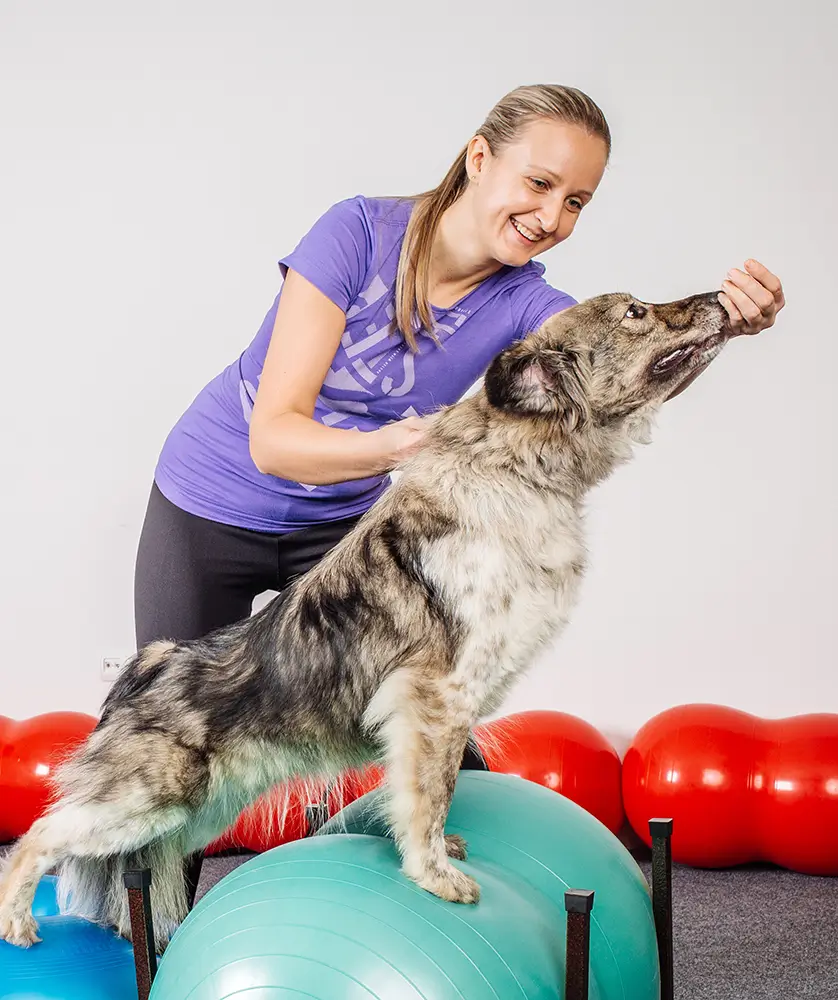
- Positive Reinforcement: Utilizing rewards, such as treats and praise, encourages desired behaviors both in animals and their human counterparts, fostering a trusting relationship that facilitates more profound therapeutic outcomes.
This fascinating intersection of animal training and therapy not only provides renewed hope but also broadens the scope of intervention strategies. As we delve deeper into this topic, the remarkable role of trained therapy animals in enhancing wellness unfolds before us. It’s essential for both practitioners and patients to recognize the myriad possibilities offered through this compassionate approach to healing.
LEARN MORE: Click here for insights on essential nutrients.
The Impact of Animal Training on Therapeutic Outcomes
Understanding the benefits of animal training for assisted therapy requires a closer look at how the well-crafted skills of animals, particularly those trained for therapeutic roles, can foster positive change in patients. The nuances of this training not only enhance the animals’ ability to interact safely and effectively with patients but also shape their responses to various therapeutic activities.
One of the most profound results of utilizing trained animals in therapy is their capability to stimulate emotional healing. For example, therapy dogs are often trained to sense the emotional state of the person they are with, providing tailored support that can ease tension and promote psychological relief. This is particularly helpful for individuals battling conditions such as autism, where social engagement can often lead to overwhelming anxiety. The soothing presence of a trained animal can facilitate connections that are otherwise difficult to cultivate.
Moreover, the training process itself greatly influences the animals’ effectiveness in a therapeutic context. Here are several key methodologies that enhance their role:
- Desensitization Training: This approach involves gradually exposing therapy animals to various stimuli found in therapy settings, such as hospital sounds and crowds, ensuring they remain calm and composed during interactions.
- Socialization Training: Therapy animals are socialized from a young age to interact with diverse groups of people, which equips them to handle unexpected situations and respond to different emotional contexts.
- Task-Specific Training: Animals are taught specific commands and tasks that synchronize with therapeutic goals, such as retrieving objects or providing support during physical exercises. This targeted approach supports therapeutic objectives while showcasing the animals’ capabilities.
The commitment to proper training cannot be overstated; it drastically influences the success of therapeutic interactions. Research indicates that therapy animals exhibiting a higher level of training tend to foster greater trust and cooperation with patients, resulting in more effective therapy sessions. Additionally, the rapport between the therapist, the patient, and the therapy animal helps create a cohesive environment that is supportive of healing.
However, it is important to understand that the integration of animal training within therapy is not solely reliant on the intrinsic qualities of the animal. The qualifications and expertise of the therapy professional are equally crucial. Professionals who implement evidence-based practice in animal-assisted therapy are better positioned to design sessions that leverage the therapeutic potential of trained animals while also addressing the individual needs of their clients.
In summary, the meticulous training of therapy animals plays a vital role in maximizing the benefits of animal-assisted therapy. As we further explore the topic, it becomes clear how tailored methodologies in animal training not only affect the animal’s behavior but significantly influence the therapeutic outcomes for patients seeking to regain control over their mental and physical health.
| Advantages | Details |
|---|---|
| Enhanced Emotional Support | Animals provide unconditional love, creating a safe space for individuals to express their feelings. |
| Improved Physical Health | Interaction with animals has been shown to lower blood pressure and reduce stress levels, contributing to overall health. |
| Socialization Opportunities | Training with animals fosters connections between participants, enhancing communication skills. |
| Customizable Therapy Methods | Various animals can be tailored to meet individual needs, making therapy more effective. |
Animal training for assisted therapy extends beyond simple interaction; it embodies a profound connection between the individual and the therapeutic animal. These methodologies are designed to address specific emotional and psychological needs, utilizing distinct animal behaviors to promote healing and development. For instance, the presence of a trained therapy dog can encourage physical activity and social interaction in individuals who may feel isolated or withdrawn.Additionally, animals can aid in improving fine motor skills through grooming or handling exercises, which is particularly beneficial for children with developmental challenges. As research continues to demonstrate the impact of animal-assisted therapy on mental health and rehabilitation, more institutions are implementing these programs, highlighting the transformative potential of our bond with animals. In doing so, the field opens pathways for deeper exploration into how various species can provide therapeutic support, offering unique benefits tailored to the needs of diverse populations. Understanding these methodologies can inspire further research and application in mental health practices.
DISCOVER MORE: Click here to enhance your pet’s skills
Enhancing Animal Training Through Evidence-Based Practices
As the field of animal-assisted therapy grows, the integration of evidence-based practices plays a significant role in refining the methodologies used for training therapy animals. These practices not only enhance the effectiveness of animals but also ensure that they meet the unique needs of diverse populations. By harnessing scientific research and behavioral psychology, trainers can increase the likelihood of successful therapeutic outcomes.
One essential aspect of evidence-based practice in animal training involves positive reinforcement techniques. This method encourages desired behaviors through rewards, creating a positive learning environment. For example, therapy dogs trained using positive reinforcement often exhibit improved reliability in their tasks, including responding promptly to commands and remaining calm in challenging situations. Trainers employ various rewards, such as treats or praise, to motivate animals, which in turn fosters a strong bond between the therapy animal and the individuals they serve.
Data-driven methodologies also extend to ongoing assessment and feedback. Utilizing tracking tools such as behavioral checklists and observation reports, trainers can monitor the progress of therapy animals to see where adjustments may be needed. This iterative approach not only enhances the training process but also allows for customized interventions that cater to the unique needs of the specific therapeutic context. For instance, an animal that struggles with maintaining composure in high-stress environments can receive targeted training to bolster its resilience during therapy sessions.
The role of technology in animal training is also becoming increasingly vital. Innovations such as virtual reality (VR) are being explored to create simulated environments for therapy animals to refine their responses in a controlled setting. By employing VR for training, animals can be gradually introduced to various scenarios they may face during therapy without the potential risks of real-world exposure. This not only ensures the safety of the animals and patients but also enhances the overall preparedness of therapy animals to meet the demands of their roles.
Collaboration between animal trainers and healthcare professionals is another dimension that strengthens the efficiency of training methodologies. By working closely with therapists, trainers can develop specific protocols that focus on the goals of therapy sessions. For example, a therapy dog can be trained to assist patients in physical rehabilitation by retrieving items or providing balance support. Additionally, doctors and therapists can relay feedback regarding the interactions between patients and therapy animals, allowing trainers to make necessary adaptations to improve outcomes.
Finally, understanding the anthropological dimensions of the human-animal bond offers profound insights into how animals are perceived and utilized in therapeutic settings. Research indicates that certain breeds are naturally more effective in therapy roles due to their temperament and social behaviors. By identifying animals that fit specific roles—such as psychiatric service dogs or emotional support animals—trainers can optimize the training process to align with the inherent strengths of each animal, thus maximizing their therapeutic potential.
As the methodologies for animal training evolve, the synergy between science and compassionate care continues to redefine the landscape of animal-assisted therapy. By applying evidence-based practices, trainers and therapists are poised to unlock a new paradigm of healing that celebrates the invaluable role of animals in therapeutic settings.
DISCOVER MORE: Click here to learn about the health benefits and risks of raw dog diets
Conclusion: The Future of Animal-Assisted Therapy
In conclusion, the burgeoning field of animal-assisted therapy is significantly shaped by advances in training methodologies and the application of evidence-based practices. By embracing innovative techniques such as positive reinforcement and technological tools like virtual reality, trainers can elevate the capabilities of therapy animals while ensuring a safe and effective therapeutic environment. This not only benefits the animals, fostering a deeper bond with those they assist, but also enhances the overall therapeutic experience for patients.
Moreover, the collaboration between animal trainers and healthcare professionals is crucial in tailoring training programs that meet the specific needs of patients. With insights drawn from behavioral psychology and an understanding of the human-animal bond, the training process becomes more adaptive and responsive, paving the way for transformative outcomes. As society continues to recognize the profound emotional and psychological benefits that therapy animals offer, the demand for specialized training will only grow.
Ultimately, the journey of animal training for assisted therapy presents an exciting frontier in mental health and rehabilitation. By continually refining and expanding training methodologies, we stand on the cusp of unlocking new avenues for healing that highlight the extraordinary power of the human-animal connection. For those involved in this transformative field, now is the time to engage with ongoing research, collaborate with experts, and advocate for best practices that enhance the therapeutic roles of these beloved animals.