
Effective Cat Training Techniques Unraveling Feline Behavior
The Art of Feline Training: A Path to Harmony
For many, the idea of training a cat seems as elusive as herding them. Yet, training cats effectively is not only possible but vital for nurturing a harmonious relationship between cats and their human companions. Cats, with their enigmatic behavior and keen instincts, often leave their owners perplexed, struggling to communicate across species lines. However, by understanding feline behavior, pet owners can implement tailored training techniques that enhance life for both parties involved.
Enhance Communication
The foundation of any relationship is understanding, and it’s no different with our feline friends. By learning to interpret a cat’s body language—whether it’s the flick of a tail or the subtle difference in meows—owners can better respond to their needs and emotions. For instance, recognizing when a cat’s purring indicates contentment or discomfort can drastically improve interactions. This communication enhancement isn’t just beneficial for the cat; it contributes to a more rewarding and less frustrating pet ownership experience.
Strengthen Bonds
Training sessions, contrary to popular belief, can significantly strengthen bonds between owners and cats. Engaging in training activities that cater to a cat’s natural instincts, such as using clickers or reward-based systems, fosters trust and understanding. These interactions are opportunities to connect, providing both mental and physical stimulation that cats require. Over time, this leads to a more affectionate and cooperative relationship.
Address Behavioral Issues
Just as training enhances bonds, it is also instrumental in resolving common behavioral issues. Whether it’s aggression towards other pets, inappropriate scratching, or litter box mishaps, targeted training can mitigate these challenges. For example, redirecting a cat’s scratching to designated posts through positive reinforcement not only saves furniture but also satisfies the cat’s need to mark territory. In addition, resolving these issues ultimately contributes to a calmer household.
Unveiling the Top 5 Training Techniques
In subsequent sections, we will delve deeper into the Top 5 effective techniques for training your feline friend. By demystifying common misconceptions and exploring scientifically-backed methods, you’ll unlock the potential for a thriving and dynamic companionship that transcends simple coexistence. As we embark on this exploration, it is crucial for every cat owner to remain patient and adaptable—keys to successful feline training.
Top 5 Effective Techniques for Training Cats: Demystifying Feline Behavior
Training a cat may seem like a daunting task, given their often independent and sometimes unpredictable nature. However, understanding feline behavior can unlock a world of effective training techniques that can enhance the bond between you and your furry friend. In this article, we’ll explore the top five effective techniques for training cats while demystifying some common misconceptions about their behavior.
5. Positive Reinforcement Techniques
One of the most widely accepted methods for training pets, including cats, is positive reinforcement. This technique involves rewarding desired behaviors with treats, praise, or toys. When a cat performs a behavior you want to encourage, immediately reward them to increase the likelihood of that behavior being repeated. The science behind positive reinforcement is simple: behaviors followed by rewards are more likely to be repeated.
Consider this scenario: your cat scratches a designated scratching post instead of your furniture. By immediately rewarding this with a tasty treat or playtime, your cat learns to associate using the scratching post with positive outcomes. It is crucial to use high-value treats that your cat truly enjoys because a reward that resonates personally with the cat will motivate them far more effectively than something generic.
Key Points:
- Use high-value treats or activities your cat loves to reinforce positive behaviors.
- Be consistent; reward immediately after the desired behavior to ensure the association is clear.
- Gradually increase the complexity of tasks as your cat learns, building their skills and confidence.
Understanding your cat’s preferences is essential to successful positive reinforcement. Whether it’s a crunchy treat or a game of chase, tailor your rewards to fit your feline’s tastes to maintain their interest and motivation. Remember, training sessions should be short to cater to your cat’s attention span, ideally lasting no more than five to ten minutes.
4. Understanding Body Language
The key to unlocking a successful training method with your cat lies in understanding body language. Cats are masters of non-verbal communication, transmitting their emotions through subtle cues. Being able to read these signs ensures that you can approach training with empathy and respect for their needs.
Key Observations:
- Ears poised forward indicate interest and can be seen during play or exploration.
- A lowered head might suggest submission or discomfort, a sign to reduce stimuli or give them space.
- A flicking tail can reveal agitation or irritation, highlighting the need for a calming approach.
By taking time to learn and understand your cat’s body language, you can tailor your training approach to respect their feelings and comfort levels. Recognizing signs of stress or discomfort allows you to create a more positive environment for learning. This empathy not only improves training outcomes but also strengthens the bond between you and your cat.
3. Enrichment and Play
Cats need mental and physical stimulation to thrive, making enrichment and play vital components of a successful training regimen. Providing varied activities not only contributes to a cat’s well-being but also opens up fantastic opportunities for facilitating learning.
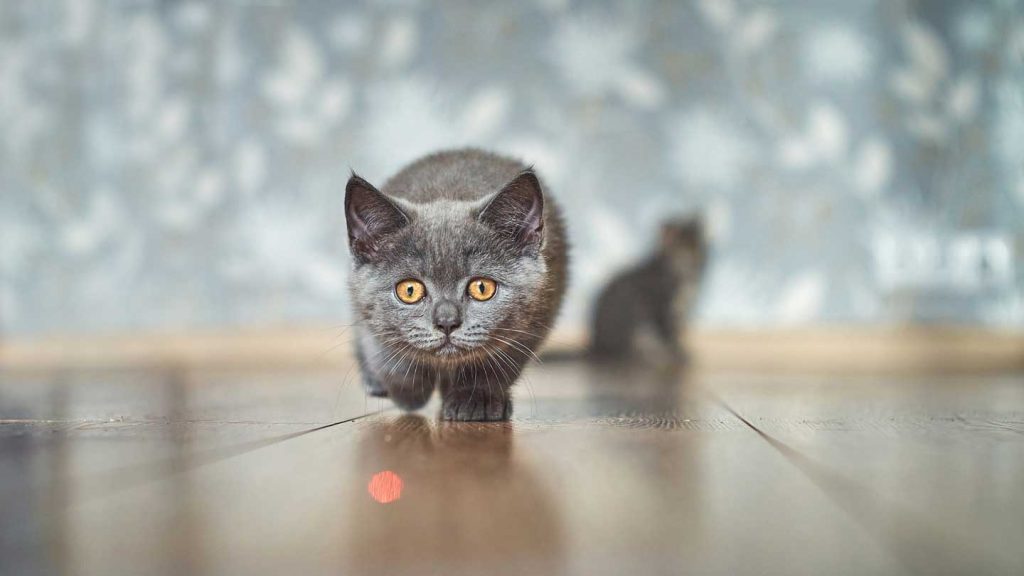
Interactive play sessions using feather toys, laser pointers, or puzzle feeders can ignite a cat’s curiosity and encourage active participation. When viewed as a game, training becomes a fun and engaging experience for your cat, one they look forward to rather than shy away from. Playtime also reinforces problem-solving and critical-thinking skills, stimulating your cat’s mental faculties.
Benefits of Play:
- Encourages problem-solving and critical thinking skills, essential for navigating complex environments.
- Helps to maintain a healthy weight and physical fitness, crucial for overall health.
- Strengthens the bond between you and your cat, fostering trust and affection.
By making training feel like a game, you can motivate your cat to learn at their own pace while having fun in the process. Rotate toys and play activities to keep things fresh and exciting for your feline companion.
2. Consistency and Structure
Establishing a routine is vital when training cats. Much like humans, cats benefit from and thrive on structure, and developing a predictable training schedule can greatly enhance the learning process.
Recommendations:
- Designate short training sessions of about 5–10 minutes to maintain interest without causing stress or fatigue.
- Use the same commands and signals consistently to make it easier for your cat to grasp what is expected.
- Assess progress regularly and adjust your approach if necessary to better cater to your cat’s evolving needs.
Consistency doesn’t just apply to commands and training times; it also involves maintaining the same level of patience and tone throughout your interactions, helping your cat feel secure and confident as they learn new skills. As your cat begins to grasp the structure, their confidence in responding to commands may increase, leading to more successful training outcomes.
1. Socialization and Gradual Exposure
A cornerstone of effective cat training is proper socialization, especially when implemented from an early age. Exposing kittens to various people, animals, and environments ensures they grow up to be well-adjusted adults, but adult cats can also benefit from socialization.
Effective Socialization Tips:
- Start with familiar people and places before introducing new stimuli, allowing your cat to build confidence.
- Encourage positive interactions, rewarding calm behavior in potentially stressful situations to create a sense of security.
- Use gradual desensitization; introduce new experiences slowly to prevent fear or anxiety.
With proper socialization, you not only reduce fear-based behaviors but also enhance your cat’s ability to learn and adapt to training. This technique lays the foundation for all other training methodologies to be more effective, as a well-socialized cat is more likely to engage constructively in learning activities and form lasting bonds.
In conclusion, by incorporating these top five techniques, you can demystify feline behavior and create a fulfilling training experience for both you and your cat. Understanding their behavior enriches your life and strengthens your bond with these enigmatic and delightful creatures.
| Category | Details |
|---|---|
| Positive Reinforcement | Utilizing treats, praise, or playtime to reward desired behaviors can significantly enhance a cat’s willingness to learn. Cats are more likely to repeat actions that lead to positive outcomes. |
| Understanding Feline Body Language | Effective communication with your cat can be achieved by interpreting their body language. Recognizing signs of stress or contentment can help trainers adjust their techniques accordingly. |
| Consistency is Key | Cats require a structured approach to training. Consistent cues and routines help cats understand what is expected of them, making learning more efficient and effective. |
| Environmental Enrichment | Providing various stimulating environments can motivate cats to engage in positive behaviors. Toys, climbing structures, and scratching posts can reduce unwanted behaviors by addressing natural instincts. |
Delving deeper into training methods, employing positive reinforcement has proven paramount in reshaping a cat’s behavior. Unlike punishment, which can instill fear and anxiety, rewarding good conduct encourages a healthy bond between owner and pet. It not only fosters trust but also turns training sessions into enjoyable moments, thereby enhancing the learning process. Moreover, understanding a cat’s body language cannot be overstated. Each feline has unique ways of communicating its mood and feelings. By being attuned to subtle signs—like ears pinned back signaling irritation or slow blinking indicating trust—trainers can adapt their methods to suit the cat’s needs. This attentiveness transforms training into a more empathetic experience.Another critical aspect is the practice of consistency. Cats thrive in predictable environments and respond positively when they can anticipate outcomes. An inconsistent approach can confuse them, leading to frustration for both the cat and the trainer. Establishing clear commands and sticking to them can drastically improve training efficacy.Lastly, integrating environmental enrichment is essential as it caters to a cat’s natural instincts. By providing stimulating toys or interactive playtime, owners can redirect potential negative behaviors into constructive channels, making the training process more enjoyable and rewarding for both parties involved. Understanding these facets of feline behavior is crucial for any cat owner or trainer looking to create a harmonious environment while effectively addressing their pet’s needs.
Frequently Asked Questions About Effective Cat Training Techniques
Can cats actually be trained like dogs?
While many assume cats are too independent for training, the reality is quite the opposite. Cats can indeed be trained, much like dogs, but the approach differs. Cats respond more effectively to positive reinforcement. By using treats, affection, and playtime as rewards, cats can learn a variety of behaviors ranging from using the litter box to performing tricks.
What are some common mistakes people make when training their cats?
One significant mistake is relying on punishment, which is typically ineffective and can lead to stress or behavioral issues in cats. Another common error is inconsistency, as cats thrive on routines. It’s essential to ensure training sessions are both consistent and regular, while being mindful of the cat’s mood and attention span. Training should be a positive experience for both the cat and the owner.
How can I stop my cat from scratching the furniture?
Scratching is a natural behavior for cats, used to mark territory and maintain nail health. To redirect this behavior, provide your cat with appropriate scratching posts. Place these posts near the items they usually scratch. Encourage their use by sprinkling catnip on them or rewarding your cat with treats when they use the post. Additionally, covering furniture with protective materials can help deter unwanted scratching.
Is clicker training effective for cats?
Yes, clicker training can be highly effective for cats. This method involves using a small device that emits a clicking sound, which serves as a marker when the desired behavior occurs. The click is followed by a reward, creating a positive association. Consistency and patience are key, and many cat owners find that their pets quickly learn commands and tricks through this method.
What should I do if my cat doesn’t respond to training?
If your cat is not responding to training, first examine your techniques. Ensure that your approach uses positive reinforcement and is consistent. Timing is crucial; rewards must immediately follow the desired behavior. Also, consider your cat’s health; sometimes a medical issue can hinder their response to training. Consulting a veterinarian or a professional animal behaviorist might provide additional insights and solutions.
Conclusion: Demystifying Feline Behavior
In unraveling the enigmatic world of feline behavior, it becomes evident that understanding and training cats is both an art and a science. As highlighted in this exploration of effective techniques for training cats, the key lies in recognizing and respecting their unique nature. Unlike their canine counterparts, cats require a different approach rooted in patience and consistency.
First and foremost, building trust with your feline companion is paramount. By creating a safe and engaging environment, owners can foster positive associations, encouraging desirable behaviors without resorting to coercion. Equally important is the use of positive reinforcement, which emphasizes rewarding rather than punishing. This method not only strengthens the bond between pet and owner but also proves to be more effective in establishing long-term behavior change.
Understanding the importance of environmental enrichment is another crucial aspect. Providing stimuli that cater to a cat’s natural instincts ensures that they remain mentally and physically stimulated. Additionally, recognizing the necessity for patience and consistency cannot be overstated. Training is a gradual process, requiring commitment but promising rewarding outcomes for both feline and human.
Finally, personalized training strategies tailored to an individual cat’s personality and needs ensure that the approach remains flexible and adaptable. This article underscores the significance of these techniques in nurturing a harmonious coexistence with our feline friends. By demystifying cat behavior, owners are empowered with insights that lead to more fulfilling relationships and harmonious households.
In conclusion, by considering these approaches and remaining open to continuous learning about our pets, we unlock a deeper connection with them. As we continue to explore and understand these fascinating creatures, the journey of training becomes not just a task, but an enriching experience for both pet and owner alike.