
Healthy Cat Diet Tips Balanced Nutritious Feeding Guide
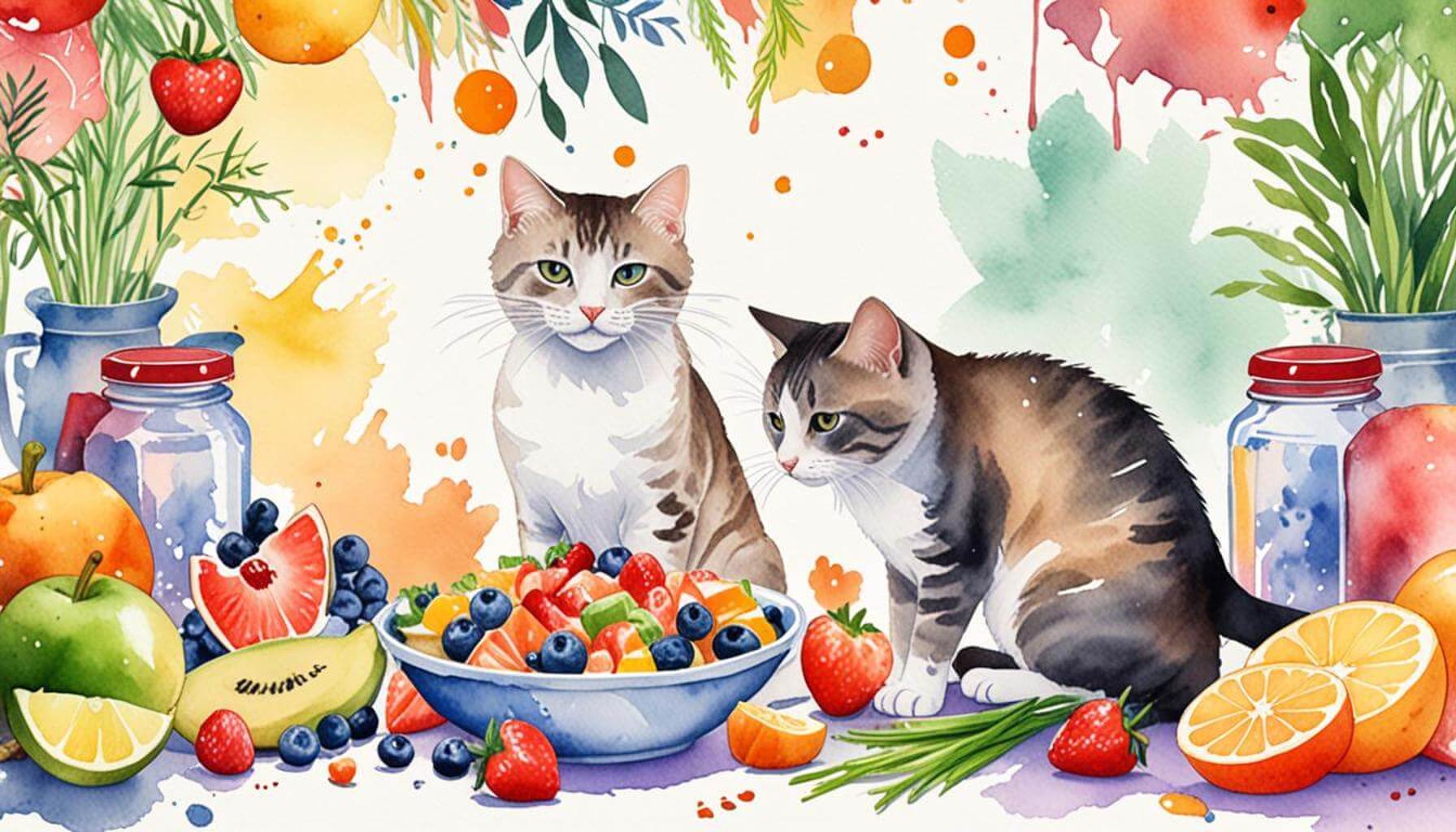
Caring for a feline companion goes beyond providing a comfortable home and regular vet visits. One of the most vital aspects of cat ownership is understanding their dietary needs. A balanced and nutritious diet not only plays a crucial role in a cat’s overall health but also impacts their mood, energy levels, and longevity.
As pet parents, it’s essential to be informed about what constitutes a healthy diet for cats. With numerous feeding options available, choosing the right food can often feel overwhelming. To simplify this process, we’ve compiled a list of the Top 5 tips for maintaining a balanced diet that keeps your kitty thriving.
- Understanding feline nutritional requirements
- Identifying high-quality ingredients
- Recognizing the importance of hydration
- Balancing treats and regular meals
- Consulting your veterinarian for personalized guidance
By exploring these guidelines, you will be better equipped to provide your cat with a diet that supports their health and well-being. Join us as we delve deeper into these essential tips and help you elevate your cat’s dining experience.
Top 5 Tips for Healthy Eating: A Balanced and Nutritious Diet for Cats
Caring for our feline friends involves much more than providing a warm lap and an inviting home. Ensuring they receive a healthy diet tailored to their needs is a cornerstone of responsible pet ownership. Unlike many other domesticated animals, cats are obligate carnivores, indicating that their dietary requirements revolve primarily around meat. Therefore, understanding their unique nutritional needs is critical in promoting their overall health. This article delves into the top five essential tips for maintaining a balanced and nutritious diet for your cat. These guidelines are designed to enhance your cat’s health, increase their longevity, and boost their happiness!
5. Prioritize High-Quality Protein Sources
A cat’s diet should revolve around high-quality protein as its foundation. Proteins are indispensable for building and maintaining muscle mass, generating energy, and facilitating numerous metabolic functions. Because cats extract essential nutrients directly from proteins in animal tissues, the quality of this protein source cannot be overstated.
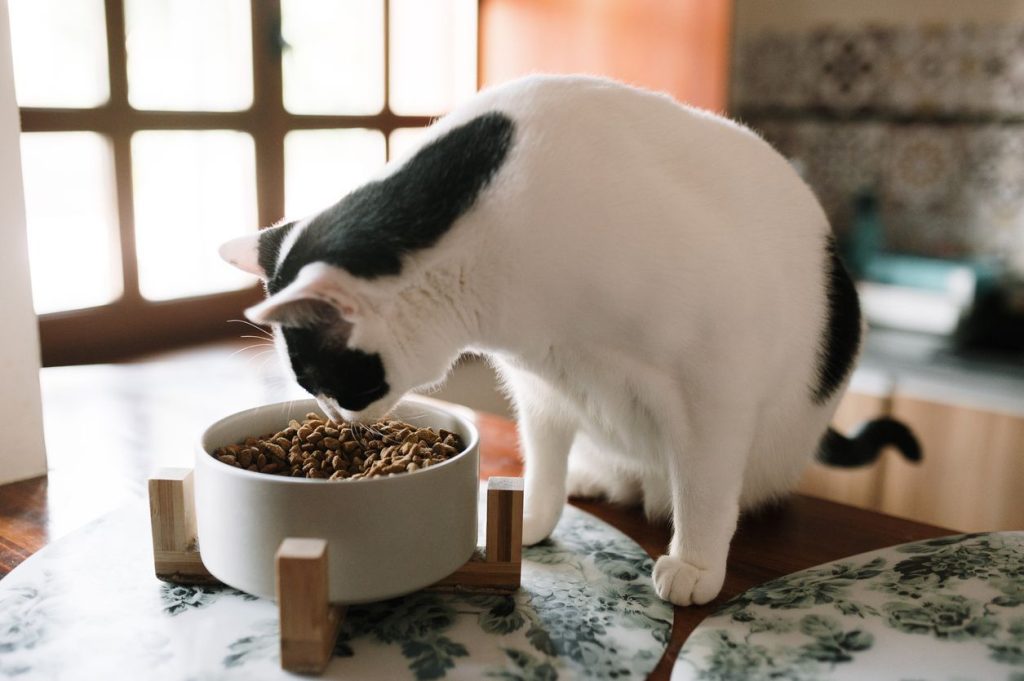
When selecting cat food, it is crucial to look for products that list identifiable protein sources as the primary ingredients. Opt for foods that mention proteins explicitly recognized by vets and pet nutritionists, such as:
- Chicken
- Turkey
- Fish
- Lamb
- Beef
Pay attention to labels that declare “made with real meat” or “100% meat,” as these can be indicators of better-quality nutrition. Furthermore, supplements such as high-quality fish oil can be added to provide essential omega-3 fatty acids, which not only support coat and skin health but can also boost cardiovascular and neurological functions.
4. Incorporate Essential Vitamins and Minerals
No diet is truly comprehensive without vitamins and minerals, which play a pivotal role in maintaining various bodily functions. Critical nutrients such as taurine, vitamin A, folic acid, and niacin are particularly important for cats. A deficiency in these can lead to severe health issues, including vision problems and heart conditions.
Most commercial cat foods are formulated to include these essential nutrients in correct proportions. However, it is crucial that these nutrients are adjusted to fit your cat’s specific age, lifestyle, and health condition. Growing kittens, for instance, might require different nutrient levels compared to senior cats.
Homemade diets can be pursued but with caution. The careful balance of nutrients becomes even more critical in such cases, making regular consultations with a veterinarian essential to ensure that all dietary needs are met. A vet can help in formulating a balanced meal plan and can provide insights into supplement options if there is a perceived shortfall in the homemade diet.
3. Offer a Variety of Textures and Flavors
Just as humans appreciate culinary diversity, cats too can benefit from having a variety of textures and flavors in their diet. Offering an array of food options can make feeding time more enjoyable and reduce the risk of your cat becoming finicky about what they eat.
Introducing a mixture of wet and dry foods can provide multiple benefits. Wet foods can increase your cat’s water intake, which is essential for the urinary tract health, while dry foods can contribute to dental hygiene by reducing plaque build-up.
When transitioning between different foods, it is imperative to proceed gradually. A slow introduction allows the cat’s digestive system to adapt, minimizing the risk of gastrointestinal distress. A recommended strategy is to blend a small portion of the new food with the old, gradually increasing the proportion over a week or so.
2. Maintain Consistent Feeding Schedules
The importance of a consistent feeding schedule cannot be overstated. Regular meal times help cats develop a routine, reducing anxiety and promoting a stable digestive process. This predictability is especially soothing for cats, which often thrive on routine and consistency.
The general guideline is to feed your cat two meals per day, spaced at regular intervals. However, portion control is equally crucial. Overfeeding can contribute to obesity, a risk factor for various health conditions including diabetes and heart disease. Monitoring your cat’s weight regularly is essential, and consulting a veterinarian for personalized feeding recommendations can be beneficial.
1. Consider Special Dietary Needs
Cats, much like humans, may have special dietary needs based on their age, lifestyle, and health conditions. Older cats, cats with ailments such as kidney disease, allergies, or obesity, require diet modifications tailored to their unique requirements.
Engaging a veterinarian in discussions about your cat’s dietary choices ensures that you accommodate their specific needs. A professional can provide recommendations for specialized veterinary diets or adjustments in regular food intake to address particular health concerns, such as reducing protein levels in cats with kidney issues or identifying hypoallergenic diets for cats prone to allergies.
By implementing these five tips, you can foster a balanced and nutritious diet that reflects your commitment to your cat’s well-being. Remember, a thoughtful approach to your cat’s nutrition not only embodies pet care excellence but also significantly contributes to a longer, healthier life for your beloved feline companion. Always aim for a diet that meets their specific nutritional requirements and watch them thrive!
| Category | Details |
|---|---|
| Protein Sources | A balanced diet for cats should include high-quality protein from sources like chicken, turkey, and fish, which are essential for muscle maintenance and overall health. |
| Essential Fatty Acids | Incorporating omega-3 and omega-6 fatty acids from sources such as fish oil boosts skin health, fur quality, and supports a strong immune system. |
| Vitamins and Minerals | A complete diet must provide essential vitamins and minerals like taurine, calcium, and vitamins A and E, which play key roles in eyesight, bone health, and cellular functions. |
| Hydration Needs | Ensuring cats have access to fresh water and considering wet food options can help meet their hydration needs, crucial for kidney health and proper digestion. |
Understanding the intricacies of a cat’s nutritional requirements can pave the way for a healthier, longer life for your feline companion. The incorporation of quality protein sources is essential, as it forms the backbone of their dietary needs. Cats are obligate carnivores, meaning their evolutionary design requires a diet primarily consisting of meat. Recognizing the sources—like chicken, turkey, and fish—allows you to ensure they are getting the optimal building blocks for muscle development and energy.Moreover, the importance of essential fatty acids cannot be understated. These nutrients play a pivotal role in not just maintaining a glossy coat but also ensuring robust skin health. Incorporating sources of omega-3 and omega-6, such as fish oil, can elevate your cat’s overall well-being, helping to establish a strong immune system that can combat a variety of ailments.Vitamins and minerals form another cornerstone of a well-rounded diet. Key nutrients, such as taurine, are fundamentally important for your cat’s heart and eye health. A diet lacking in these essentials can lead to significant health issues. Attention to detail in sourcing high-quality cat food should ensure that these vital nutrients are included in every meal.Lastly, one cannot overlook the critical nature of hydration. Cats often don’t drink sufficient water, which puts them at risk for dehydration, leading to serious health problems like urinary tract diseases. Providing a balance of dry and wet food can help meet their water intake needs effectively. Ensuring access to fresh water at all times fosters a hydration strategy that keeps your feline friend healthy and thriving.
FAQs on Healthy Feeding for Cats
What should be the primary components of a healthy diet for my cat?
A balanced diet for cats should primarily include high-quality protein from sources like chicken, fish, or beef. Cats are obligate carnivores, which means they require a diet rich in animal proteins. Additionally, ensure your cat’s diet includes essential fatty acids for coat health, as well as vitamins and minerals to support various body functions. Always remember, fiber is also important but should be given in moderation.
Is it safe to feed my cat homemade meals instead of commercial cat food?
While it can be safe to feed your cat homemade meals, it’s crucial that these meals are nutritionally balanced. It’s recommended that you consult with a veterinarian or a pet nutritionist to create a meal plan. Homemade diets are often lacking in certain nutrients that commercial cat foods are fortified with. Missing out on these nutrients can lead to health issues over time.
Are there any specific foods I should avoid giving my cat?
Yes, definitely. Certain foods are toxic to cats and should be avoided. These include chocolate, onions, garlic, raisins, and grapes. Additionally, avoid giving them alcoholic beverages, caffeine, and raw dough. Even when feeding treats, they should be given sparingly to prevent any nutrient imbalance.
How important is hydration, and should my cat drink more water?
Hydration is extremely important for cats, as it supports kidney function and helps in the digestion process. Cats primarily derive their moisture from wet food, but they should always have access to fresh and clean water. If your cat tends to avoid drinking water, consider investing in a cat water fountain, as the flowing water can entice them to drink more, promoting better hydration.
Can I transition my cat to a new diet quickly?
When transitioning your cat to a new diet, it should be done gradually over a period of 7 to 10 days. Abrupt changes can lead to digestive issues, including diarrhea or vomiting. Start by mixing a small amount of the new food with the old food, slowly increasing the new food’s proportion. Observing your cat during this time is important to ensure they are adapting well to the new diet.
Conclusion
Ensuring a healthy diet for our feline companions is paramount for their overall well-being and longevity. As explored in this article, creating a balanced and nutritious diet for cats involves paying close attention to several critical factors.
The Key Takeaways
- Protein is essential: Cats are obligate carnivores, and their diet should be rich in animal protein. This supports muscle health, energy levels, and basic bodily functions.
- Proper hydration: Adequate water intake is vital, often necessitating the inclusion of wet food to complement dry kibble, ensuring cats stay hydrated and maintaining kidney health.
- Avoid toxic ingredients: Foods like onions, garlic, and chocolate are toxic to cats and should be strictly avoided to prevent any harmful health consequences.
- Moderation is key: Treats and snacks should be provided in moderation to prevent obesity and related health issues, maintaining a healthy weight and active lifestyle.
- Consulting a veterinarian: Professional advice helps tailor a diet plan that meets the specific nutritional needs of your cat, considering factors such as age, health status, and activity level.
Ultimately, adopting a nutritionally balanced diet is a fundamental aspect of cat care that directly impacts their quality of life. By prioritizing high-quality food sources and ensuring an adequate balance of proteins, fats, and carbohydrates, pet owners can significantly contribute to the well-being of their furry friends. As new research continues to emerge, remaining informed and engaged can lead to an enriched understanding and improved dietary choices for cats. This journey not only elevates the life of your pet but also strengthens the bond between you and your feline companion.