
How Animal Training Can Improve the Mental Health of Owners

The Bond Between Animals and Mental Wellness
The connection between humans and animals has long been recognized for its profound benefits. Animal training not only fosters communication between pets and their owners but also has significant implications for mental health. This relationship often leads to a unique synergy that enhances emotional wellbeing.
Benefits of Animal Training for Owners
Engaging in animal training can have various positive outcomes for pet owners, including:
- Enhanced Social Interaction: Training sessions often create opportunities for social engagement, both with other pet owners and trainers. For instance, attending group classes can help owners meet like-minded individuals who share their passion for animals, potentially leading to friendships that extend beyond the training environment.
- Improved Mood: The act of training pets can release endorphins, leading to feelings of happiness and satisfaction. Research indicates that interacting with animals can lead to a decrease in cortisol levels—the hormone associated with stress—helping individuals feel more relaxed and content.
- Increased Responsibility: Caring for and training an animal can instill a sense of purpose and responsibility, which can be especially beneficial for those facing mental health challenges. For example, individuals suffering from depression often report feeling a renewed sense of worth and motivation to engage with their pets and the world around them as they balance their daily routines with pet care.
Furthermore, animal training cultivates patience, empathy, and discipline, which are invaluable traits that can translate into other areas of life. As owners develop their skills, they create a more harmonious environment for both themselves and their pets. For example, practitioners of training methods like positive reinforcement not only see better behavior in their pets but also learn to approach challenges in life with a greater sense of understanding and resilience.
A Pathway to Wellness
Through structured animal training, many owners find a pathway to enhance their mental health. The positive feedback loop established during training sessions—where both pet and owner learn and grow together—can provide a unique sense of accomplishment that bolsters self-esteem. The companionship and unconditional love offered by pets serve as a buffer against anxiety and loneliness.
Moreover, training can promote mindfulness. The focused attention required to teach or correct behaviors forces owners to stay present, effectively shifting their mindset away from stress and worry. For instance, spending time in training exercises can encourage individuals to let go of external pressures, fostering a calm state of mind and allowing for a deeper connection with their pet.
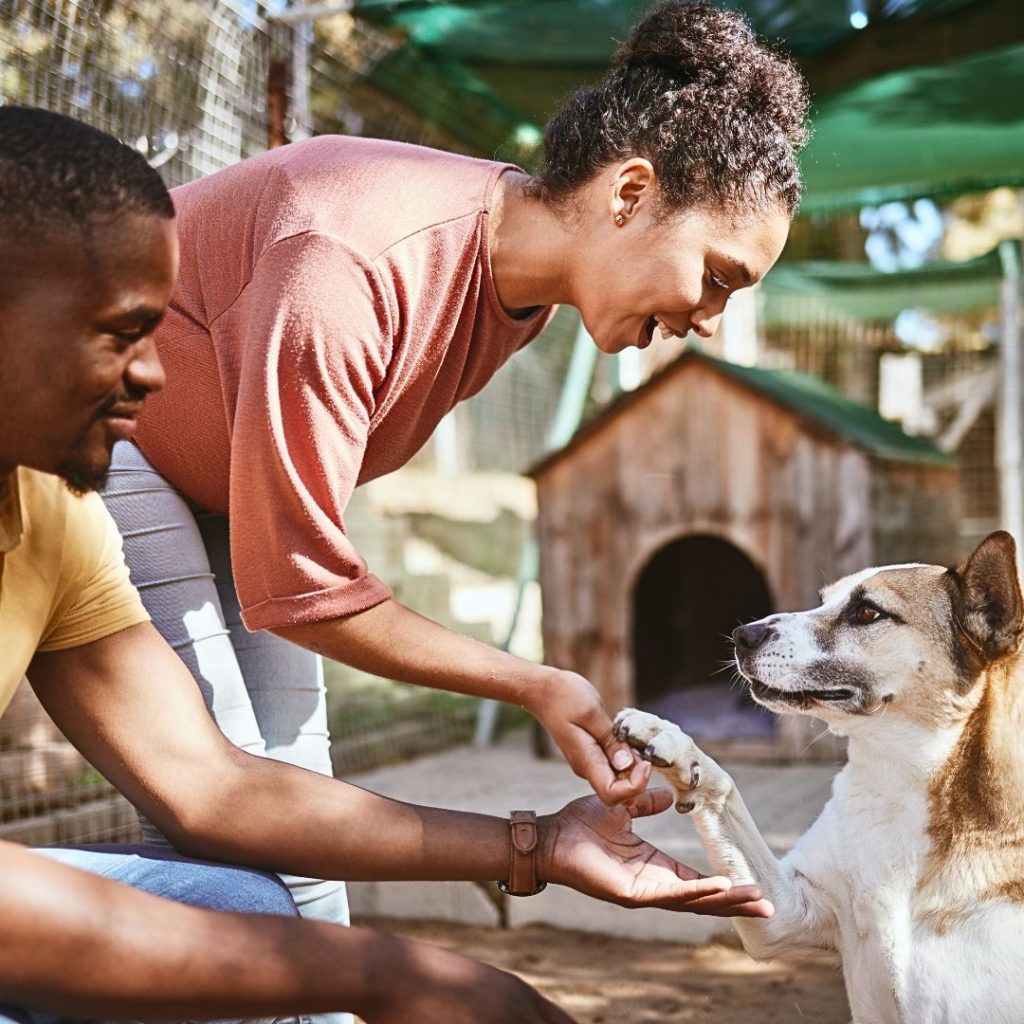
In essence, the bond formed through animal training transcends mere companionship; it serves as an avenue to coping with the complexities of mental health. As we explore deeper into the transformative effects of this relationship, it becomes evident that the interaction between humans and animals functions not merely as a source of joy but as a critical component of emotional resilience and personal growth.
LEARN MORE: Click here to enhance your dog’s social skills
Enhancing Emotional Resilience Through Animal Training
The role of animal training extends far beyond the mere act of teaching a pet how to sit or stay; it plays a critical part in improving the mental health of their owners. Creating a structured training routine can serve as an effective coping mechanism for various mental health issues, including anxiety, depression, and stress. By fostering a sense of structure and accomplishment, animal training can help owners regain control over their lives and promote overall wellbeing.
The Psychological Benefits of Training
Engaging in animal training can yield a wealth of psychological benefits for pet owners, including:
- Stress Reduction: Training pets can be a soothing activity, allowing owners to shift focus from their daily worries to the task at hand. The attentive nature required during training sessions encourages mindfulness, helping to alleviate feelings of stress and anxiety. Research shows that even brief interactions with animals can significantly reduce physiological stress markers, making training a natural antidote to life’s pressures.
- Empowerment and Accomplishment: Successfully teaching a pet a new command or trick can evoke feelings of accomplishment for pet owners. This positive reinforcement creates a loop of motivation and empowerment, ultimately enhancing self-esteem. Owners often report that achieving small victories in training translates to greater confidence in other areas of their lives.
- Enhanced Routine and Structure: Developing a regular training schedule encourages consistency, which can be particularly beneficial for individuals managing mental health conditions. The predictability provided by a training regimen can serve as a stabilizing factor in chaotic or anxiety-inducing periods. Knowing that they have set times to devote to training their animal gives owners a sense of purpose and direction.
Additionally, animal training cultivates essential life skills such as patience and empathy. As owners train their pets, they learn to understand different behavior cues and responses, which can foster deeper connections, not only with their animals but also with other people. For instance, interacting with fellow pet owners during training sessions can create a sense of community, offering social support that further enhances mental wellness.
Channeling Energy into Positive Outcomes
Animal training can also offer an excellent outlet for pent-up energy and stress. Physical activity involved in training, such as walking, running, and playing, can boost endorphin levels in the brain, contributing to improved mood and emotional stability. When owners channel their energies into productive activities like training, they create a constructive distraction from negative thought patterns that often accompany mental health challenges.
This synergy between owners and their pets illustrates the profound impact of animal training on mental health. As we delve further into the ways this bond enriches lives, it becomes clear that the emotional benefits of training go hand in hand with the development of a more harmonious and balanced life.
How Animal Training Can Improve the Mental Health of Owners
Animal training is not merely about teaching your pet commands; it plays a crucial role in enhancing the overall well-being of animal owners. Engaging in training provides a structured environment that fosters a bond between the pet and owner, leading to emotional stability and security. As owners interact with their pets during training sessions, they tend to experience reduced levels of stress and anxiety. This phenomenon is supported by numerous studies that highlight the therapeutic effects of animal companionship.Moreover, training activities can significantly improve the owner’s sense of purpose. Each accomplishment, whether big or small, transforms into a source of motivation, nurturing feelings of achievement. A consistent routine established through training fosters discipline and encourages owners to remain present, allowing them to take a break from the overwhelming aspects of daily life.To summarize this further, here’s a detailed table that encapsulates some of the advantages of animal training in relation to mental health:
| Category | Advantages |
|---|---|
| Bonding | Strengthens the emotional connection between the owner and the pet. |
| Anxiety Reduction | Training sessions divert attention from daily stressors, lowering anxiety levels. |
| Sense of Achievement | Completing training goals fosters a sense of accomplishment and productivity. |
| Routine and Discipline | Establishing a routine helps in creating structure, enhancing mental clarity. |
Animal training indeed serves as a multifaceted approach to not only enhance the relationship with pets but also uplift the owner’s mental health, making it a beneficial practice worth investing time and effort into.
LEARN MORE: Click here for essential tips on a healthy cat diet
Building Strong Bonds Through Training
Beyond the immediate psychological benefits, animal training also plays a pivotal role in strengthening the emotional bonds between pets and their owners. This interconnectedness is crucial for mental well-being, as it provides pet owners with a profound sense of companionship and love. Pets can offer unwavering support, and training together fosters mutual trust and respect, deepening the emotional ties that enhance an owner’s quality of life.
Fostering Communication and Understanding
Training an animal requires clear communication, which in turn encourages owners to claim agency over their own life and relationships. By effectively conveying commands and intentions to their pets, owners naturally develop skills in expressing their own emotions and desires. This newfound communicative clarity can extend to human relationships, improving interactions with family, friends, and colleagues.
Moreover, understanding the nuances of pet behavior plays a significant role in enhancing empathy. Owners learn to appreciate the intricacies of animal communication—recognizing body language, vocalizations, and emotional responses. This behavior can help them relate better to others, cultivating understanding and patience in their daily lives. The ability to empathize is vital, especially for individuals grappling with isolation or social anxiety, as it reduces feelings of alienation and loneliness.
The Therapeutic Nature of Routine
The creation of a consistent training routine not only stabilizes pet behavior but also serves as a therapeutic anchor for owners. A study conducted by the Human-Animal Bond Research Institute found that pet ownership and structured pet activities contribute significantly to decreased levels of anxiety and depression among individuals. Training sessions often serve as regular intervals of positive interaction in an owner’s life, providing predictability in an otherwise unpredictable environment.
This structure can be particularly beneficial for individuals experiencing mental health challenges. For example, those suffering from post-traumatic stress disorder (PTSD) often find solace in the routine that training provides. Focusing on commands and tasks allows for a temporary reprieve from distressing memories and emotions, fostering a greater sense of security.
Social Interaction and Community Support
Participating in training classes, workshops, or community events offers pet owners a unique platform for social engagement. These settings create opportunities to connect with fellow pet lovers who share similar experiences, fostering a sense of belonging and community. Building such relationships can be especially beneficial for those who may struggle with social anxiety or isolation, providing them with a support network that encourages engagement and interaction.
In addition, these interactions can lead to valuable exchanges of advice, tips, and encouragement, directly contributing to the owners’ mental health. As owners become part of a community, they move away from feelings of loneliness, gaining a renewed sense of purpose within both their personal lives and their relationships with their pets.
The powerful combination of enhanced communication skills, therapeutic structure, and social interaction illustrates how animal training not only improves behavioral outcomes for pets but significantly uplifts the mental health of their owners. These multifaceted benefits foster an environment conducive to personal growth and resilience, making the bond between humans and animals truly transformative.
LEARN MORE: Click here to discover the benefits of preventive medicine for your pet’s health</a
Conclusion: The Transformative Power of Animal Training
In summary, the practice of animal training extends far beyond enhancing a pet’s behavior; it serves as a vital tool for bolstering the mental health of owners. By fostering emotional connections, improving communication skills, providing therapeutic routines, and creating opportunities for social engagement, animal training impacts the owner’s psyche in profound ways. Each training session not only brings structure into a pet owner’s life but also cultivates a sense of purpose and belonging that is often essential for mental well-being.
Moreover, as individuals develop a deeper understanding of their pets, they also enhance their ability to empathize with others, leading to healthier human relationships. This cycle of improved interaction and support is invaluable, particularly for those battling loneliness, anxiety, or depression. The benefit of belonging to a community of like-minded pet owners further amplifies these positive effects, creating an atmosphere filled with encouragement and shared experiences.
As the evidence continues to mount regarding the psychological benefits of animal companionship and training, it becomes increasingly clear that fostering such relationships can contribute to resilience and personal growth. Thus, those seeking to improve their mental health might find that investing time in animal training not only enriches their life experience but also deepens the bond they share with their furry companions. Indeed, embracing the journey of training can unlock transformative effects for both pets and their owners alike.