
How Animal Training Can Increase Owners’ Confidence and Security

Exploring the Benefits of Animal Training
Engaging in the world of animal training can transform the relationship between pets and their owners in remarkable ways. This process is not merely about instructing pets on how to perform tricks or follow commands; it fundamentally enhances the owner’s confidence and security. By employing different training methods, such as positive reinforcement or clicker training, owners can not only teach their pets essential behaviors but also foster a deeper connection that reaps multiple rewards.
Enhanced Communication is a significant aspect of animal training. When owners effectively train their pets, they establish a form of dialogue that allows for mutual understanding. For example, teaching a dog the “leave it” command can prevent dangerous situations, such as stopping them from ingesting harmful objects. Such interactions require clarity from the owner and responsiveness from the pet, creating a relationship built on trust and respect.
Additionally, having a well-trained pet can lead to Improved Behavior. For instance, dogs that are taught basic obedience commands tend to demonstrate fewer destructive behaviors, such as chewing furniture or barking excessively. This improvement in behavior can significantly reduce stress for the owner, leading to a more peaceful home environment. A noteworthy statistic from the American Kennel Club indicates that pets who undergo training are less likely to end up in shelters, showcasing the importance of proper education for pets.
Increased Control is another crucial benefit of animal training. Owners naturally feel more secure when they possess the ability to manage their pet’s actions, especially in public settings or around other animals. Whether at a dog park or during a walk on a busy street, having a reliable command like “come” can prevent accidents or altercations, greatly enhancing both the owner’s and the pet’s safety.
Furthermore, training extends beyond just the owner-pet dynamic; it also facilitates Social Interaction. Joining training classes or community groups exposes owners to fellow pet enthusiasts, creating opportunities for friendship and shared experiences. For example, a local dog training class can serve as a bonding platform not just for pets, but for their owners as well, encouraging socialization and support among the participants.
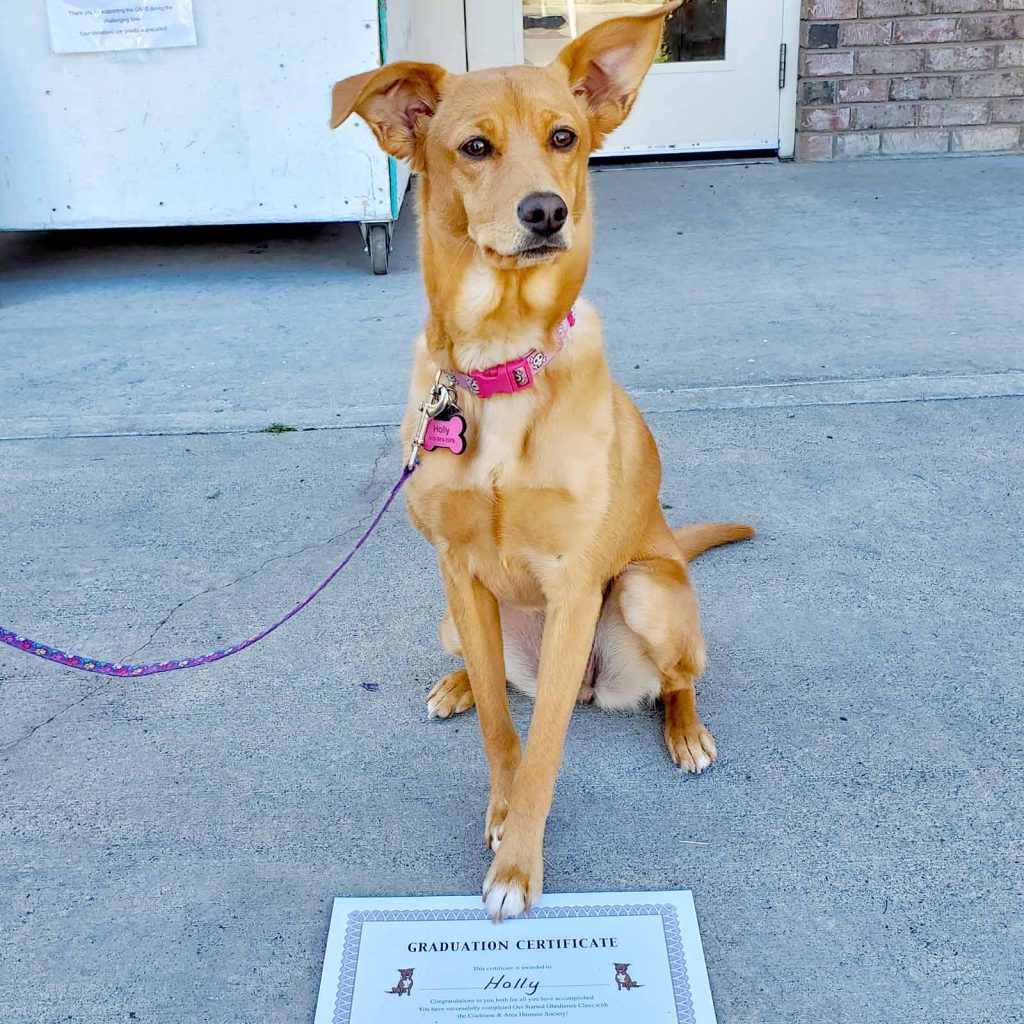
The empowerment gained through successful training is also profound. When owners accomplish goals like teaching their pet to perform a difficult trick, such as rolling over or jumping through hoops, they experience a significant boost in their sense of achievement. This sense of fulfillment can carry over into other areas of life, reinforcing the idea that patience and consistency yield positive results.
Lastly, training has a direct correlation with Safety. Familiarity with commands such as “stay,” “drop it,” or “no” can prove invaluable in keeping pets safe from unexpected situations, such as encountering hazardous materials or dangerous wildlife. The ability to swiftly communicate a command can be vital in emergencies, enriching the pet’s life by preventing potentially dangerous incidents.
As we further explore the multifaceted relationship between animal training and owner confidence, it becomes increasingly clear that the benefits extend well beyond mere obedience. The journey of training provides opportunities for growth, social connections, and enhanced safety for both pets and their owners. For anyone seeking to cultivate a harmonious and fulfilling companionship with their animal, understanding these dynamics is essential.
DISCOVER MORE: Click here to learn about the benefits of positive training
Building a Stronger Bond Through Training
Animal training is not just a tool for obedience; it serves as a powerful avenue for strengthening the bond between owners and their pets. The process of training transforms not only the behavior of animals but also the perspectives of their owners. As these relationships deepen, owners often discover newfound confidence in their ability to manage their pets effectively. This increased control can significantly enhance their overall sense of security when navigating various environments.
A critical component of this bond is the exchange of trust. When pets respond positively to commands, owners gain reassurance that they can guide their animals in both familiar and unpredictable situations. This trust isn’t just one-sided; it cultivates an understanding that enhances the emotional connection. For instance, a dog that is trained to stay on command can comfortably navigate crowded areas, allowing the owner to feel secure in their pet’s behavior. This sense of security grows as owners become more adept in their handling of potential challenges.
Moreover, animal training reinforces the owner’s leadership skills. A common hurdle for many pet owners is the initial uncertainty of taking the reins in a training scenario. However, with commitment and practice, owners become more assertive in their interactions, leading to positive outcomes that enhance their self-esteem. For instance, mastering a training technique can evoke a sense of accomplishment that resonates throughout daily life, instilling a belief that they can overcome obstacles. This newfound assertiveness often extends beyond the pet-training realm, impacting personal and professional areas as well.
In addition to strengthening the relationship between pets and their owners, training can provide a more structured environment. This structure brings about a sense of predictability and consistency, which is essential for both parties. Here are some key aspects of how structured training leads to increased owner confidence:
- Establishes Routines: Training sessions help to create routines that both the owner and pet become accustomed to, alleviating anxiety.
- Reduces Uncertainty: New pet owners often face a steep learning curve. Training demystifies various behaviors, helping owners feel equipped to handle challenges.
- Enables Quick Responses: A well-trained pet allows the owner to react swiftly in potentially risky situations, enhancing their ability to keep their pet safe.
As owners engage in training, they also benefit from the perspective shift that occurs through facing challenges together with their pets. Overcoming hurdles, such as addressing a dog’s anxiety issues or mastering complicated tricks, fosters a shared journey that can significantly boost the owner’s confidence. The simple act of guiding a pet through a training regimen reaffirms the owner’s role as a capable leader, ultimately solidifying their security in the partnership.
As we delve deeper into the intricacies of training, it is clear that fostering a confident and secure atmosphere through routine practice is vital for pet owners. This journey inherently reshapes both the owner’s lifestyle and their interaction with the world around them, leading to more fulfilling experiences for pets and their human companions alike.
| Category 1 | Category 2 |
|---|---|
| Trust Building | Through consistent training, pets learn to obey commands and behave appropriately in various situations, which in turn fosters a strong bond of trust between the owner and the animal. |
| Enhanced Control | By mastering training techniques, owners feel a heightened sense of control over their environment, allowing them to manage their pet’s behavior effectively, which promotes greater personal confidence. |
Incorporating animal training into the relationship with pets can play an essential role in increasing owners’ confidence and security. Trust building emerges as a primary advantage, as both pets and owners learn to communicate effectively and understand each other’s cues. This bond reduces anxiety and uncertainty during interactions, enabling pet owners to navigate situations with ease.Moreover, enhanced control is another significant benefit of animal training. Owners learn various techniques that help them manage their pet’s behavior in public places or when guests are around. This not only brings peace of mind but also boosts the owner’s own confidence in handling any scenario involving their pet, ensuring they feel ready to face the world with a supportive companion by their side. Overall, these aspects urge pet owners to delve deeper into the transformative journey of animal training, creating an enriching experience for both themselves and their pets.
DON’T MISS: Click here to learn essential tips
The Therapeutic Benefits of Training for Owners
Beyond the fundamental improvements in communication between pets and their owners, animal training can also play a crucial role in enhancing emotional well-being. Engaging in training not only benefits pets but can also be a source of therapeutic release for owners. The process often promotes a deeper awareness of one’s emotions, which can be particularly beneficial for individuals dealing with stress or anxiety. Studies have shown that participating in activities with pets can lead to lower cortisol levels (the stress hormone), fostering a more balanced mental state.
For many, the act of training can become a mindful practice, establishing a routine that allows owners to focus their energy on positive interactions. This focus can create a break from daily stresses, leading to a better outlook on life. The structured nature of a training regimen offers a sense of accomplishment and progress, while each successful command reinforces a rewarding cycle of positive feedback. The psychological benefits of training extend beyond the immediate actions, manifesting in a more resilient mindset.
Additionally, animal training can create a profound sense of community. Pet owners often bond with others through shared values and common experiences related to training. Joining training classes, online groups, or local clubs allows owners to connect with peers who understand the unique challenges and triumphs of raising an animal. This social interaction can serve as a support network, further bolstering the owner’s self-esteem. Such environments promote sharing strategies, experiences, and tips, which can lead to a mutual increase in confidence. This growing community provides affirmation and encouragement that foster a sense of belonging, which can enhance overall security.
Addressing Behavioral Challenges
Training is particularly invaluable when it comes to addressing behavioral challenges. Many pet owners experience anxiety or apprehension regarding their pet’s behavior, especially in public situations. Owners may fear their dogs may act out, causing harm to themselves or others. Through training, owners learn the necessary skills to handle these situations, which in turn builds self-assurance. For instance, a dog that previously exhibited aggressive tendencies can be guided through desensitization exercises, allowing the owner to feel less fearful and more in control.
Moreover, training can unveil misinterpretations of animal behavior, leading to a deeper understanding of a pet’s needs. By recognizing the signs of stress or anxiety in their animals, owners can better address those emotions, which diminishes feelings of insecurity. Resources such as professional trainers or behaviorists can offer tailored training techniques, creating a positive feedback loop that empowers owners with effective tools for managing their pets in any situation.
- Builds a Structured Environment: Training environments are often meticulously designed, establishing predictability that fosters calmness.
- Nurtures Problem-Solving Skills: As owners tackle training challenges, they become adept at thinking critically, which is applicable in various aspects of life.
- Promotes Emotional Bonding: Engaging in training fosters emotional communication between owner and pet, leading to improved relationships.
As owners witness the transformation in their pets through consistent training, the parallel transformation in their own confidence is equally noteworthy. Each small victory lays down the foundation for greater resilience and affirms their capacity to navigate the complexities of pet ownership. In this light, animal training becomes not just a means to an end but a vital strategy for personal growth and development, leading to a more fulfilling partnership with their furry companions.
DISCOVER MORE: Click here to learn effective cat training techniques
Conclusion: The Empowering Journey of Animal Training
In summary, animal training serves as a powerful catalyst for increasing owners’ confidence and security. As owners embark on this transformative journey, they cultivate essential skills that extend far beyond basic commands and behavioral corrections. The process not only strengthens the bond between pets and their owners but also fosters a sense of accomplishment that bolsters emotional resilience. With each training session, pet owners are reminded of their ability to effect positive change, both in their pets and themselves.
The therapeutic benefits of training create a sanctuary for owners, enabling them to navigate the stresses of daily life with greater ease. Engaging in focused, mindful interactions enhances emotional well-being, while the creation of a supportive community among fellow pet owners enriches the experience even further. The shared triumphs and challenges act as a reminder that they are not alone in their journey, thus enhancing feelings of belonging and security.
Moreover, training empowers owners to effectively manage behavioral challenges, transforming anxiety into confidence. The skills gained through training not only make public interactions safer and more enjoyable but also reinforce the understanding of their pets’ needs, fostering a deeper connection. By equipping themselves with knowledge and techniques, owners can take control of unfamiliar situations, leading to a more robust sense of security in their daily lives.
Ultimately, the practice of animal training is a holistic approach that enriches the lives of both pets and their owners. It stands as a testament to the profound impact that dedicated time and effort can have on personal growth, emotional stability, and overall well-being. For those considering the journey ahead, exploring the world of animal training can unlock pathways to newfound confidence and a more secure future.