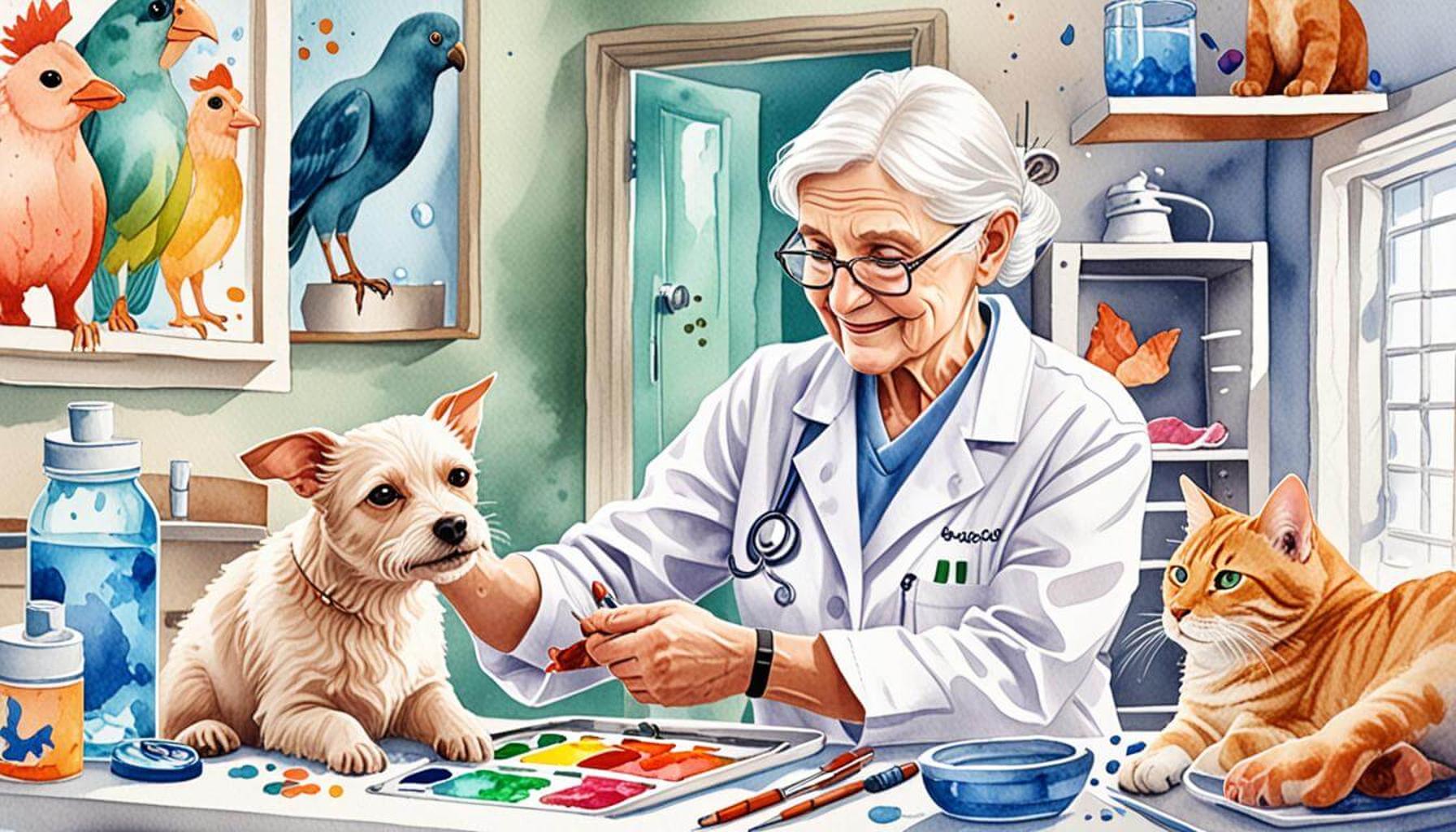
How Behavioral Medicine is Transforming Veterinary Care for Pets

Transforming Veterinary Care
As pet ownership continues to rise in the United States, a new wave of veterinary care is emerging—one that focuses on the psychological and emotional needs of our furry companions. Behavioral medicine is swiftly gaining recognition as a vital component in enhancing the well-being of pets, leading to more effective treatments and happier animals.
This innovative approach combines various disciplines to address behavioral issues such as:
- Separation anxiety
- Aggression towards people or other animals
- Destructive behaviors
- Loud noise phobias
- Excessive barking
By integrating behavioral assessments and therapies, veterinary professionals are now able to:
- Develop tailored treatment plans
- Utilize training techniques to modify behavior
- Incorporate medications to assist in management
- Engage pet owners in effective training methods
In recent years, studies have shown that many pets experience behavioral issues that can stem from a variety of sources, including changes in environment, the loss of a companion, or insufficient socialization during crucial developmental stages. For instance, a recent survey conducted by the American Veterinary Medical Association indicated that over 13% of dogs in the U.S. struggle with anxiety-related behaviors, highlighting the need for comprehensive care.
Behavioral medicine seeks to address these challenges effectively. Veterinary professionals are increasingly employing techniques commonly used in human psychology, such as cognitive behavioral therapy, to assist pets in overcoming their fears and anxieties. For example, a dog suffering from loud noise phobia may be taught to associate the sound of thunder with positive experiences, rather than fear. This method can significantly reduce a pet’s stress during storms or fireworks.

Additionally, the role of the pet owner is critical in the implementation of these behavioral strategies. Veterinarians are now emphasizing the importance of educating owners about consistent, positive reinforcement training. This helps to create a harmonious environment conducive to the pet’s growth and learning. For instance, an owner of a dog with separation anxiety may be taught methods to gradually increase their pet’s independence, making the process less daunting.
Such comprehensive care not only helps in managing behavioral problems but also improves the overall quality of life for pets. This shift towards a holistic veterinary approach marks a significant transformation, changing how we perceive the health and happiness of our beloved animals. As we continue to invest in these evolving practices, our understanding of pet care deepens, leading to greater harmony between pets and their owners, ultimately enriching the lives of both.
DISCOVER MORE: Click here for essential dietary tips for your senior cat
Understanding the Roots of Pet Behavioral Issues
To grasp how behavioral medicine is transforming veterinary care, it’s essential to first understand the roots of many behavioral issues that pets experience. Behavioral problems can be complex, stemming from a combination of genetic predispositions, early life experiences, and environmental factors. For instance, animals that have not been adequately socialized may exhibit fear-based behaviors in unfamiliar settings, leading to anxiety or aggression.
Behavioral medicine focuses on identifying the underlying causes of these issues rather than merely treating the symptoms. This approach helps veterinarians provide comprehensive care that not only ameliorates specific problems but also promotes long-term well-being. Consider the following common sources of behavioral challenges in pets:
- Environmental Changes: Moving to a new home, the introduction of new family members, or the addition of another pet can all trigger anxiety in an animal.
- Trauma: Experiences such as abuse or neglect can manifest in fear-driven behaviors that require professional intervention.
- Lack of Mental Stimulation: Pets that do not receive enough engagement or exercise may develop destructive habits out of boredom.
- Health Issues: Medical problems can result in behavioral changes. For instance, pain or discomfort may cause a once-gentle pet to react aggressively.
Veterinarians are now equipped to perform thorough assessments that account for these various factors, enabling them to create individualized treatment plans. By taking a deeper look at each pet’s environment and history, veterinarians can tailor interventions that address both behavioral and medical needs.
Integrative Treatment Strategies
One of the cornerstones of modern behavioral medicine is the integration of multiple treatment modalities. When a dog demonstrates aggression towards strangers, for example, a veterinarian might recommend a combination of behavioral modification techniques and pharmaceutical support. This integrated approach empowers pet owners to reinforce positive behaviors while ensuring their pets’ anxiety levels are managed effectively.
Moreover, advances in technology have enhanced how behavioral assessments are conducted. Video monitoring systems, for instance, allow pet owners to record their animal’s behavior in different situations, providing valuable insights to their veterinarians. It’s a collaborative effort where both parties—vet and pet owner—work together to dissect the root of the behavior and apply appropriate solutions.
As the field continues to grow, the awareness around the importance of mental health in pets will likely lead to better outcomes, as reflected in the increased satisfaction of pet owners and a reduction in pet relinquishment due to behavioral issues. By focusing on the intricate interplay between behavioral and medical aspects, veterinary care is evolving towards a holistic model that prioritizes the emotional well-being of pets, paving the way for transformations in how we approach pet health care.
| Category | Description |
|---|---|
| Enhanced Communication | Behavioral medicine promotes better communication between veterinarians, pet owners, and pets. Through understanding behavioral cues and stress indicators, vets can tailor their approach to effectively meet the needs of each pet. |
| Stress Reduction Techniques | Implementing behavioral strategies reduces pets’ anxiety during vet visits. Techniques such as creating a calm environment and using positive reinforcement foster a more relaxed experience, leading to better health outcomes. |
The integration of behavioral medicine in veterinary care addresses not only the physical health of pets but also their emotional well-being. This holistic approach is changing the landscape of how we perceive veterinary visits, making them less stressful for both animals and their owners. With advancements in training and understanding of pet psychology, veterinarians can now offer customized care plans that prioritize not only medical treatment but also the behavioral needs of pets.As more pet owners recognize the importance of emotional health, the demand for veterinarians skilled in behavioral medicine is on the rise. This is not just a trend; it signifies a fundamental shift toward more compassionate and informed veterinary care, ensuring pets receive the best support available. The future of veterinary medicine is undoubtedly becoming more integrated, emphasizing the connection between behavior and health outcomes.
DISCOVER MORE: Click here to learn about the benefits and challenges of natural feeding for pets
New Approaches to Training and Socialization
With the rise of behavioral medicine, there has been a marked shift in how pet training and socialization are approached. This modern understanding emphasizes the significance of early intervention and proactive management of behavioral problems, drastically changing traditional methods. Instead of relying solely on punitive techniques, today’s training programs commonly incorporate positive reinforcement strategies that not only foster learning but also promote a deeper bond between the pet and its owner.
Building on the findings from behavioral science, veterinarians and trainers are now working collaboratively to create individualized training plans tailored to each pet’s personality and past experiences. For example, when socializing a puppy, veterinarians may recommend varied encounters with different environments, people, and other animals to build resilience and confidence during formative weeks. A progressive framework, known as fear-free training, focuses on minimizing stress through gradual exposure and rewarding positive experiences, ultimately leading to well-adjusted pets.
The importance of consistent communication among pet owners, trainers, and vets cannot be overstated. Training sessions can be enhanced through close interactions, where veterinarians provide insight into a pet’s physical condition that may affect behavior. For instance, a dog exhibiting reluctance to engage with others could be experiencing discomfort related to an undiagnosed health issue, emphasizing the need for veterinary feedback during training sessions.
Technology’s Role in Behavioral Management
As technology continues to revolutionize various sectors, its impact on veterinary behavioral medicine is evident. Innovative tools such as wearable devices can monitor pets’ activity levels, heart rates, and stress indicators, providing real-time data to owners and veterinarians alike. These findings can illuminate the underlying factors contributing to behavioral issues. For example, if a dog’s heart rate spikes when strangers approach, this may indicate a fear response that requires targeted behavioral interventions.
Moreover, mobile applications have emerged, allowing pet owners to log daily behaviors and environmental changes. This data provides veterinarians with a clearer picture of behavioral patterns over time. Such insights can significantly aid in the formulation of comprehensive treatment plans. For instance, if a cat’s aggressive tendencies coincide with changes in its routine or household dynamics, the information gathered through these apps can guide strategies for reestablishing a sense of security.
As behavioral medicine continues to evolve, the collaboration between pet owners and veterinary professionals serves not only to address immediate challenges but also to cultivate a culture focused on long-term mental health. The rise in awareness surrounding the significance of a pet’s emotional state will invariably influence veterinary practices, shifting the paradigm from a reactive model of care to one that is preventive in nature.
Educational programs and community outreach initiatives are increasingly integral to this transformation. Veterinarians are now more likely to host workshops or webinars aimed at educating pet owners on best practices for fostering a positive environment that promotes well-being. With continuous advancements in understanding animal behavior, these methods support the core objective of behavioral medicine: to enhance the quality of life for pets and enrich the human-animal bond.
LEARN MORE: Click here to discover the benefits of balanced nutrition for your pet
Conclusion: The Future of Veterinary Care Through Behavioral Medicine
In summary, behavioral medicine is revolutionizing veterinary care for pets by prioritizing the emotional well-being of animals alongside their physical health. This holistic approach not only addresses immediate behavioral concerns but also fosters a deeper understanding of pet psychology, paving the way for more effective training and socialization techniques. By moving away from punitive methods and embracing positive reinforcement, pet owners can build stronger bonds with their furry companions, ensuring a happier and healthier life together.
The integration of technology plays a crucial role in this transformative shift. With innovative tools and mobile applications, veterinarians can now monitor behavioral trends and identify underlying issues, enabling a tailored approach to treatment. Furthermore, the collaboration between pet owners, trainers, and veterinary professionals underscores the importance of consistent communication and a united front in addressing behavioral challenges.
As awareness of behavioral medicine’s significance continues to grow, veterinary practices are shifting from a reactive stance to a preventive one, emphasizing long-term mental health. This transition not only enhances the quality of life for pets but also enriches the human-animal bond that brings joy to so many households.
To fully leverage the benefits offered by behavioral medicine, ongoing education and community engagement remain critical. Veterinarians actively involved in outreach initiatives are shaping a future where every pet can thrive emotionally and behaviorally. With these advancements, a new era of veterinary care is emerging—one that champions the well-being of our beloved companions, ultimately transforming how we perceive and manage pet care.