How Personalized Nutrition is Transforming Veterinary Care
Exploring the Shift in Veterinary Nutrition
The landscape of veterinary care is shifting dramatically, driven by advancements in personalized nutrition. This innovative approach tailors dietary plans to the unique needs of each pet, greatly impacting their health and well-being. As pet owners increasingly seek to provide the best for their furry companions, the importance of nutrition in veterinary practices cannot be overstated.
In recent years, the realization that one-size-fits-all diets are insufficient for optimal pet health has led to a surge in interest around custom nutrition plans. Unlike conventional feeding guidelines, personalized nutrition is based on a comprehensive analysis of a pet’s specific requirements, accounting for factors like age, breed, and existing health conditions. For instance, a senior Golden Retriever will have vastly different nutritional needs compared to an active Labrador puppy. Tailoring these diets ensures that pets receive essential nutrients, vitamins, and minerals that foster health at every stage of their lives.
Customized Diet Plans
Customized diet plans offer a level of specificity that generic products lack. For example, pets with allergies may require novel protein sources or limited ingredient diets that can alleviate adverse reactions. On the other hand, a pet diagnosed with diabetes may benefit from a low-carbohydrate diet tailored to regulate their blood sugar levels. These examples illustrate how individualized approaches are essential in addressing the broad spectrum of health concerns that can affect pets.
Improved Health Outcomes
The significance of personalized nutrition extends beyond merely preventing nutritional deficiencies; it plays a crucial role in managing chronic health issues. Research indicates that approximately 60% of pets are overweight or obese, conditions that can be precursors to serious health complications such as diabetes, arthritis, and heart disease. By implementing targeted dietary strategies, veterinarians are empowered to combat these statistics more effectively. For example, a custom weight management plan may involve calorie restriction and the inclusion of high-fiber ingredients to increase satiety, thereby aiding in weight loss while ensuring the pet still receives balanced nutrition.
Enhanced Owner Engagement
The move towards personalized nutrition also enhances pet owner engagement in their pets’ health journeys. When pet owners are provided with education on the specific dietary needs of their animals, they become more invested in adhering to nutritional recommendations. This engagement is crucial, as studies show that informed owners are more likely to monitor their pets closely and make adjustments to their dietary plans as needed. This proactive partnership between veterinary professionals and pet owners is transforming how pets are cared for in the long run.
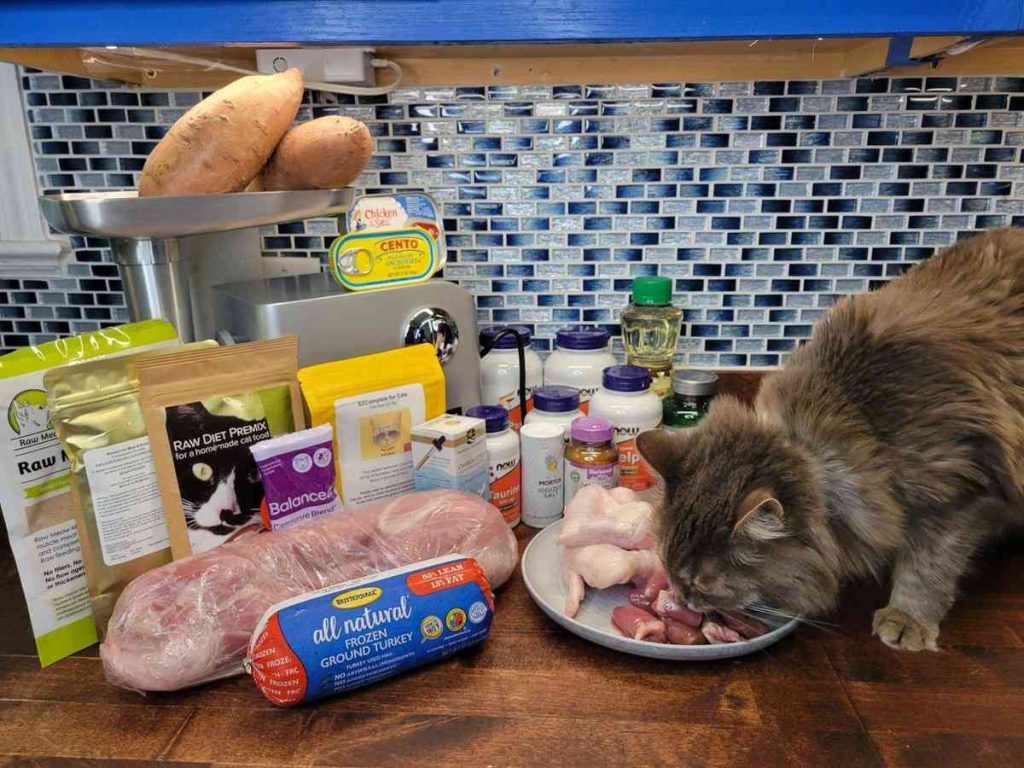
This article will delve deeper into the implications of personalized nutrition, exploring case studies, expert opinions, and the latest research driving this transformation in veterinary care. From success stories involving significant health improvements to statistics that underline the urgency for tailored nutrition, readers will gain a comprehensive understanding of how this targeted approach is setting a new standard for pet health. Discover how the integration of personalized nutrition in veterinary care not only elevates the standards of pet wellness but also fosters a caring bond between pets and their owners.
LEARN MORE: Click here to discover how telemedicine is revolutionizing pet care</
The Benefits of Tailored Nutrition for Pets
As the veterinary landscape evolves, the focus on tailored nutrition is proving to be a game changer in promoting pet health. The shift towards personalized nutrition embodies a holistic view of animal care, emphasizing that each pet’s diet should cater to their individual physiological and lifestyle needs. This personalized approach is not only enhancing the day-to-day health of pets but also playing a pivotal role in preventing severe health issues down the line.
One of the primary advantages of customized diets is their capacity to address specific health conditions. Veterinarians are now more equipped to make dietary recommendations based on a pet’s unique medical history, breed characteristics, and even genetic predispositions. For example, some breeds are genetically predisposed to certain health issues, such as hip dysplasia in German Shepherds or skin allergies in Bulldogs. Formulating dietary plans that consider these risks can significantly reduce the onset of associated health problems.
Key Factors in Personalized Nutrition
When developing a personalized nutrition plan, veterinarians typically consider several key factors, including:
- Age: Nutritional requirements vary markedly between puppies, adults, and senior pets. Young pets need nutrients that support growth, while older dogs may require diets that assist with joint health and weight management.
- Breed: Different breeds have distinct dietary needs. For example, toy breeds might require higher calorie content, while larger breeds may benefit from diets low in fat to maintain a healthy weight.
- Health Conditions: Pets with existing health issues like heart disease, kidney problems, or allergies necessitate tailored diets to manage their conditions effectively.
- Activity Level: Pets that are more active, such as working dogs, require more calories and specific nutrients than those that lead a more sedentary lifestyle.
These factors collectively highlight the inadequacies of generic pet food formulations. By embracing a more individualized approach, veterinary professionals can design meals that not only meet these unique requirements but also promote optimum health and vitality. Studies show that pets following personalized feeding regimens exhibit improved energy levels and overall quality of life.
The Role of Technology in Custom Diets
The rise of technological innovations has further propelled this revolution in veterinary nutrition. From advanced diagnostic tools to mobile applications that track a pet’s dietary intake, technology allows for continuous monitoring and adjustments to nutritional plans. For instance, nutrigenomics, the study of how an animal’s genetic makeup affects its nutritional requirements, is paving the way for even more precise dietary formulations. By utilizing the latest information in pet genomics, veterinarians can make informed decisions that reflect not just current needs but also future health prospects.
As pet owners become more aware of these advancements, they are encouraged to take a proactive role in their pets’ nutrition. This collaborative spirit fosters a sense of partnership between pet owners and veterinary professionals, leading to better adherence to dietary recommendations and, ultimately, healthier pets.
The transformation that personalized nutrition is bringing to veterinary care signifies a pivotal shift in how we approach pet health. With continued research and innovation, we can expect to witness even more significant advances in individualized pet care that prioritize the health and happiness of our beloved companions.
| Advantage | Impact on Veterinary Care |
|---|---|
| Customized Diet Plans | Tailored meal regimens cater to individual pet needs, improving health outcomes. |
| Improved Pet Wellness | Focusing on specific nutritional requirements enhances overall longevity and vitality. |
Advancements in personalized nutrition are crucial as pet owners increasingly recognize the significance of individualized care in veterinary medicine. Implementing customized diet plans allows veterinarians to address specific health conditions, dietary restrictions, and even allergies effectively. This approach not only aids in managing existing conditions but also serves as a preventative measure against potential health issues.Moreover, personalized nutrition significantly contributes to improved pet wellness. By ensuring that pets receive the appropriate nutrients tailored to their unique lifestyle and physiology, these inventive dietary strategies promote not just longevity but also an enhanced quality of life. Additional studies have shown that pets with properly managed diets experience fewer medical visits and reduced chronic disease rates.The transformation in veterinary care through personalized nutrition is compelling, inviting pet owners to explore these beneficial changes further. As veterinary professionals continue to embrace this paradigm shift, the bond between pets and their owners grows stronger, leading to healthier and happier lives for our beloved companions.
DIVE DEEPER: Click here to learn more about the importance of veterinary telemedicine
Integrating Personalized Nutrition into Routine Veterinary Care
The integration of personalized nutrition into routine veterinary care is not merely a trend; it is emerging as a fundamental component of veterinary practice. As more veterinarians embrace the insights provided by tailored dietary plans, there has been a noticeable shift in how pet care is approached. This progressive outlook not only targets individual pet requirements but also inspires broader discussions around health maintenance and disease prevention.
Proactive Health Management
Personalized nutrition paves the way for a more proactive stance on pet health. Rather than waiting for health problems to arise, veterinarians are now prioritizing nutritional strategies that can stave off issues before they manifest. For example, pets with a family history of obesity can be placed on preventive diets that promote weight management and exercise. Such approaches have shown effectiveness; a study from the American Kennel Club Canine Health Foundation found that dogs receiving tailored diets had a 30% lesser incidence of obesity-related illnesses.
Pet owners are also becoming more aware of the connection between diet and overall health status. Many are eager to engage in consultations about the best nutritional practices for their pets. This evolution encourages open dialogue between veterinarians and pet owners, leading to a collaborative strategy that encompasses dietary recommendations along with routine health assessments.
Customized Dietary Solutions in Major Veterinary Clinics
Various veterinary clinics across the United States have already witnessed success through individualized dietary solutions. For instance, clinics offering customized dietary assessments can utilize data from pet health reports, activity levels, and specific dietary intolerances to create meal plans tailored to individual needs. The result? A noticeable improvement in health indicators such as weight, skin condition, and energy levels in pets.
Moreover, large veterinary chains are partnering with pet food manufacturers to develop specialized meals based on empirical research and clinical studies. This means that when veterinary professionals make dietary recommendations, they can rely on products that are specifically formulated to address the unique nutritional requirements of their patients. These partnerships have led to enriched products that not only promote pet health but also simplify the compliance for pet owners who are striving to make the right choices for their pets.
The Need for Continuous Education and Training
As personalized nutrition takes the veterinary field by storm, there is also a pressing need for continuous education and training among veterinary professionals. Seminars and workshops focusing on the latest research related to pet nutrition are crucial for veterinarians to stay informed about innovations and best practices. Institutions are increasingly recognizing the importance of including detailed courses on pet nutrition within their curricula, equipping future veterinarians with the tools necessary to provide individualistic care effectively.
Moreover, platforms that offer continuing education opportunities—such as webinars, online courses, and professional conferences—are key in disseminating knowledge about the benefits and methodologies of personalized nutrition. In this way, veterinary professionals can ensure they are up-to-date with advances that may benefit their patients and effectively communicate this knowledge to pet owners.
The growing embrace of personalized nutrition in veterinary care represents an exciting frontier in animal health. It is about harnessing scientific understanding to offer an individualized approach that reflects the diverse lifestyles and needs of our pets. This commitment to specialization is not just enhancing veterinary practices but also laying the groundwork for a healthier future for our beloved companions.
DISCOVER MORE: Click here to learn about positive training techniques
Conclusion: A New Era in Veterinary Care
As we dissect the transformative influence of personalized nutrition on veterinary care, it becomes remarkably evident that this paradigm is reshaping the future of pet health. By moving beyond generic dietary solutions, veterinarians are now equipped to offer individualized nutritional plans tailored to each pet’s unique needs and health circumstances. This shift not only enhances the overall well-being of pets but also fosters a deeper trust and collaboration between veterinarians and pet owners.
Furthermore, the emphasis on proactive health management through personalized dietary strategies highlights the potential for preventing chronic diseases, a concern that is increasingly significant in today’s pet population. The rise of customized nutrition reflects a broader cultural acknowledgment of our pets as vital family members worthy of individualized care.
Additionally, the integration of cutting-edge research and evidence-based practices within veterinary curricula is crucial for ensuring that future veterinarians not only embrace but excel at the application of personalized nutrition in their practices. Continuous professional development in this field will maintain the momentum of informed decision-making and innovative solutions.
Ultimately, the fusion of personalized nutrition with veterinary care stands as a testament to the evolving nature of animal health practice. It encourages both pet owners and veterinary professionals to remain curious and proactive about dietary influences, shaping a future where our beloved companions lead longer, healthier lives. This is not just a trend; it is a guiding principle for the modern veterinary landscape, prompting all stakeholders to continuously evolve, learn, and adapt.