
How Pet Training Can Contribute to the Mobility and Accessibility of People with Disabilities
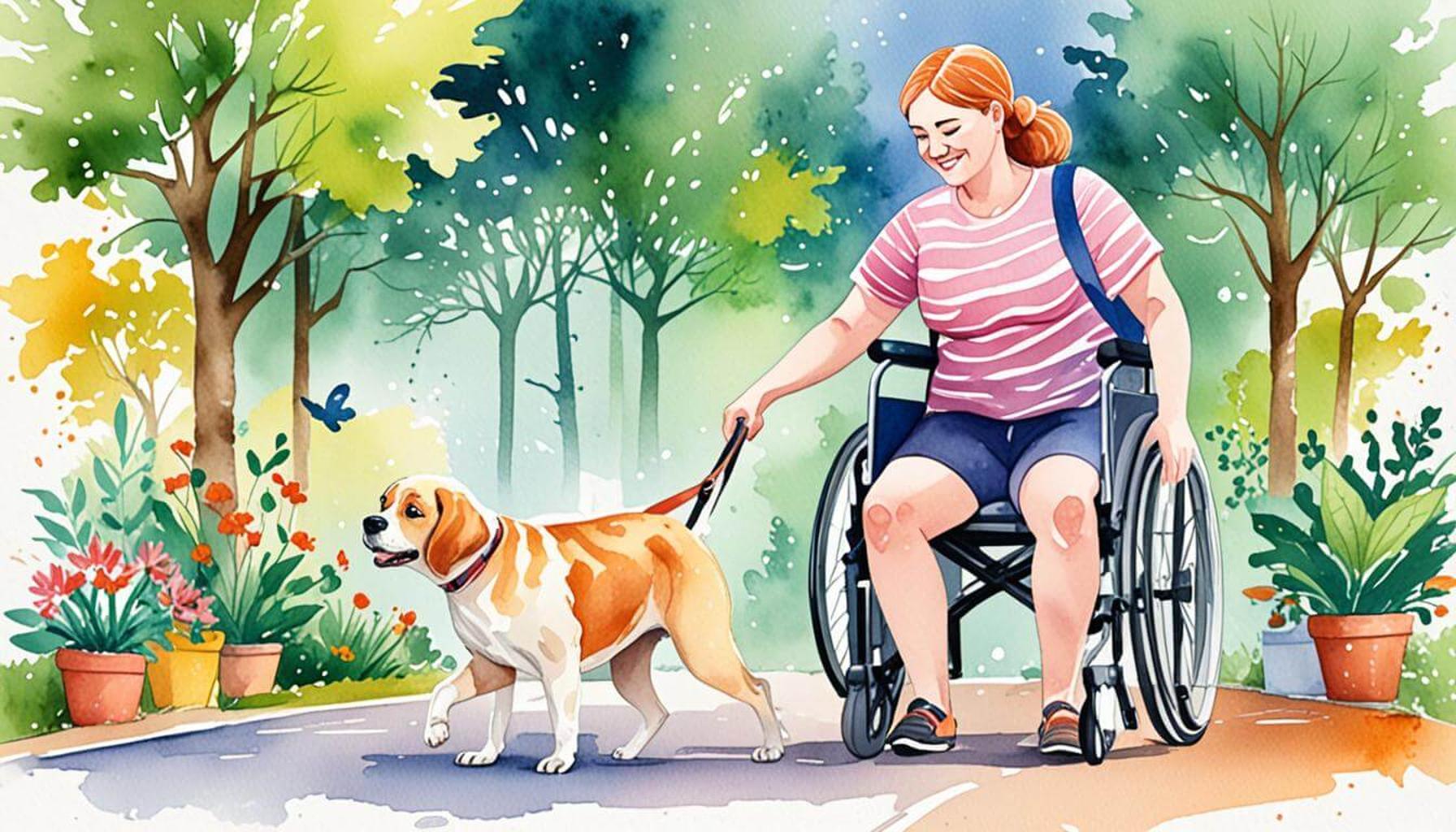
Understanding the Role of Trained Pets
Over the past decade, trained pets, specifically therapy and service animals, have emerged as transformative partners for individuals with disabilities. These beloved creatures do far more than offer companionship; they serve as lifelines that facilitate enhanced mobility and accessibility in various facets of life. Recognizing the depth of their impact reveals both the challenges these individuals face and the remarkable assistance these skilled animals provide.
One of the most significant contributions of trained service dogs lies in their ability to perform assistive tasks. For example, a service dog can be trained to open automatic doors, retrieve dropped items, or even pull a wheelchair up a ramp. A poignant example is that of a Golden Retriever named Max, who aids a young boy with cerebral palsy. With Max by his side, the boy has developed greater independence, navigating his home and school, which has positively influenced his social interactions and overall confidence.
Beyond physical tasks, therapy animals are instrumental in providing emotional support. The mere presence of a pet can significantly alleviate feelings of anxiety and promote a sense of calm. Research has shown that interactions with animals can release endorphins, which foster feelings of happiness. Many studies indicate that veterans returning home from military service often experience anxiety or PTSD; therapy dogs have been shown to help ease these symptoms. Programs across the U.S. work to connect veterans with specially trained dogs that can sense emotional distress and provide comforting support during overwhelming moments.
Fostering Independence Through Training
The relationship forged between humans and their trained animals can lead to a remarkable increase in independence. Many individuals who rely on service animals report feeling more confident in their ability to engage with their surroundings. This newfound autonomy often manifests itself in various areas, such as securing employment, participating in community activities, or simply enjoying a day out in the park. This can be particularly valuable in urban environments, where bustling streets and crowded public transit can pose considerable challenges. For instance, a service dog can help navigate busy sidewalks while ensuring the safety of its handler.
It is essential to recognize the broader implications of incorporating trained animals into the lives of those with disabilities. Not only do they provide practical support, but they also help reduce social stigma associated with disability. Their presence in public spaces serves as a reminder of the importance of inclusion and opens discussions about accessibility improvements that can benefit everyone.
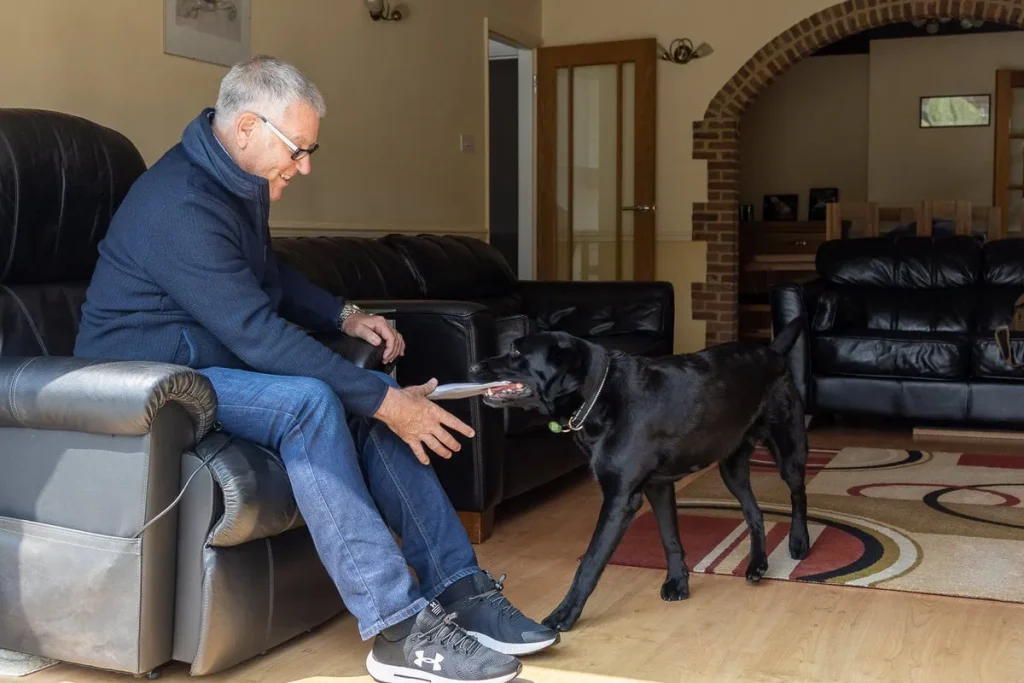
This exploration into the myriad ways pet training enhances mobility and accessibility sheds light on the profound relationship between humans and animals. By fostering a greater understanding of this dynamic, we can better appreciate the vital role that service and therapy animals play in transforming lives and facilitating a more inclusive society. The journey with these remarkable animals is not just about assistance; it is about creating pathways for growth, connection, and opportunity.
DISCOVER MORE: Click here to learn about the crucial role of preventive medicine in pet health</a
Enhancing Daily Life with Service Animals
Service animals have become more than mere companions; they are essential partners that improve the daily lives of individuals with disabilities. Trained to assist, these animals can significantly enhance mobility and accessibility in numerous ways. They enable people to navigate not just physical barriers, but also social challenges, contributing to a greater sense of freedom and independence.
One area where trained pets shine is in their ability to perform specific tasks that cater to the unique needs of their handlers. Here are just a few examples of the tasks that service animals can be trained to execute:
- Mobility Assistance: Service dogs can help individuals with mobility impairments by offering support and stability while walking or climbing stairs.
- Retrieving Objects: They can fetch items that have fallen or are out of reach, such as remote controls, phones, or keys.
- Alerting to Dangers: Many dogs are trained to alert their handlers to emergencies, such as an approaching vehicle or a general loss of balance.
- Guiding in Public Spaces: For those with visual impairments, service dogs can provide navigation assistance, helping their owners navigate crowded areas safely.
The training that these animals undergo is rigorous and often leads to exceptional outcomes for their handlers. For instance, an individual who has suffered a stroke may find that their service dog not only assists with physical tasks but also facilitates social interactions that can often feel overwhelming. In a study conducted by the International Journal of Environmental Research and Public Health, 69% of participants reported increased social participation after acquiring a service dog. This not only bolsters mobility but also fosters a more connected and engaging lifestyle.
Moreover, the impact of trained animals extends beyond the individual benefitting directly from their assistance. The presence of service animals can serve as a powerful advocate for issues surrounding accessibility. By bringing visibility to the challenges faced by individuals with disabilities, these pets help to raise awareness and promote a culture of empathy among the general public. This can lead to improvements in infrastructure, such as the addition of ramps, accessible public transit options, and community support programs tailored for people with disabilities.
Additionally, by reducing the stigma associated with disability, trained pets facilitate greater acceptance. When service animals accompany their handlers in public spaces, they prompt meaningful conversations that can lead to broader societal changes. Their visibility can challenge misconceptions and foster a more inclusive environment for everyone.
Overall, the training of pets to assist individuals with disabilities is a profound testament to the bond between humans and animals. This relationship not only alters the lives of individuals directly affected but also influences societal perceptions of accessibility and independence. Understanding these dynamics can inspire further action towards improvement and inclusivity in our communities.
As we explore the profound impact of pet training on improving mobility and accessibility for individuals with disabilities, it’s essential to understand the various roles that trained pets can play in everyday life. For many, service animals, particularly dogs, become indispensable companions that not only provide assistance but also enhance the overall quality of life.Firstly, trained service dogs can significantly aid in mobility by assisting individuals with physical disabilities. For instance, these dogs can help with tasks such as opening doors, retrieving dropped items, or providing balance support. This level of assistance allows individuals to navigate their environment with greater independence and confidence, reducing feelings of vulnerability and isolation. Moreover, emotional support animals (ESAs) can also contribute to mental well-being by providing companionship and comfort. The presence of a loving pet can help alleviate anxiety and depression, particularly in individuals dealing with the challenges of disability. The bond formed through training enhances this relationship, leading to improved emotional stability.In addition to emotional and physical support, pet training plays a crucial role in fostering social interactions. Individuals with disabilities often face barriers when trying to engage with others. Well-trained, sociable pets can serve as a bridge, making it easier for their owners to connect with various social circles. This interaction helps foster community ties and combat social isolation, which is critical for mental health.Furthermore, the process of training pets can serve as an empowering experience for individuals with disabilities. Engaging in training routines not only enhances the pet’s skills but also allows owners to take an active role in their pet’s development. This active participation can improve self-esteem and self-efficacy, translating into a stronger sense of control over one’s life.The benefits of pet training extend beyond individual cases. Communities can witness a shift as more individuals with disabilities become active participants, showcasing the potential of inclusion and accessibility through supportive animal companions. Through awareness and advocacy, the concept of using trained pets to support mobility can create a ripple effect, encouraging societies to become more accommodating and inclusive.It’s important to delve deeper into the specific types of skills that can be taught to assistive animals, as this knowledge may inspire training programs and motivational initiatives tailored towards both pets and their owners. By recognizing the profound impact of pet training on mobility and accessibility, we can begin to foster a culture where both people and animals contribute to a more accessible world.
DISCOVER MORE: Click here to learn how social networks can help with pet adoption
Beyond Canines: The Role of Other Animals in Accessibility
While service dogs are the most recognized form of assistance animals, pet training extends far beyond canines. Various species, including miniature horses, monkeys, and even birds, are being trained to provide essential services that enhance mobility and accessibility for individuals with disabilities. These alternative service animals can be equally effective, depending on the specific needs of the handler.
For instance, miniature horses are becoming increasingly popular as service animals, particularly for those who may have allergies to dogs or prefer a different type of animal. Their stable temperament and ability to be trained for various tasks, such as guiding individuals in public spaces and fetching items, can offer similar benefits to those provided by service dogs. According to the Americans with Disabilities Act (ADA), miniature horses can be recognized as service animals under specific circumstances, allowing for their inclusion in public spaces.
Monkeys, particularly capuchin monkeys, are often trained to assist individuals with severe mobility impairments, such as those caused by spinal cord injuries. These remarkable creatures can perform tasks like opening doors, turning lights on and off, and retrieving dropped items. In a survey conducted by the National Institute on Disability, Independent Living, and Rehabilitation Research, it was noted that monkey-assisted individuals reported a *significant increase* in their independence and quality of life after acquiring their service monkeys.
Interestingly, even birds, such as parrots, have found their niche in providing emotional support. While they may not perform physical tasks, their presence can provide crucial emotional and mental health support, reducing feelings of isolation and enhancing well-being. This form of training not only addresses emotional accessibility but can also indirectly support physical mobility by encouraging individuals to engage with the outside world.
The diversity in trained assistance animals goes hand-in-hand with the increasing recognition of the rights of individuals with disabilities. As societies strive for greater inclusivity, public perceptions are slowly shifting to embrace a broader definition of assistance animals. This shift highlights the importance of understanding that mobility and accessibility aren’t exclusively about physical capabilities but also incorporate emotional and social dimensions. In the United States, advocacy groups are pushing for inclusivity laws that recognize all forms of service animals, expanding the toolkit available to those with disabilities.
Emerging studies suggest that the use of a wider range of trained animals can lead to improved life satisfaction for individuals with disabilities. Researchers from the University of California noted that participants with various types of assistance animals experienced less anxiety and a stronger sense of community engagement, resulting in newfound friendships and support systems. This multifaceted approach to pet training underscores the importance of creating personalized training programs that cater to the unique needs of individuals, maximizing both mobility and accessibility in their daily lives.
Moreover, as the conversation surrounding disability rights evolves, it’s crucial for communities to recognize the ripple effect of trained assistance animals. Engaging with a broad array of assistance species can normalizes the conversation around disability, encouraging businesses and public spaces to reevaluate their accessibility standards. Therefore, broadening the horizon of pet training is not just about functionality; it’s a step toward societal transformation that prioritizes inclusivity for all.
DIVE DEEPER: Click here to learn more about the role of social networks in pet adoption
Conclusion: Enhancing Lives Through Pet Training
In conclusion, pet training plays a pivotal role in enhancing the mobility and accessibility of individuals with disabilities. As we have explored, the world of assistance animals is rich and diverse, extending beyond traditional service dogs to include a variety of species, such as miniature horses, monkeys, and birds. This evolution in training practices highlights society’s commitment to inclusivity and the understanding that support comes in many forms.
Moreover, the engagement with trained animals does not just address physical limitations but also fosters emotional well-being and social connections. The findings from recent studies underscore the profound impact these animals have on improving life satisfaction, reducing anxiety, and facilitating community engagement. These factors collectively contribute to a fuller, more independent life for individuals with disabilities.
As we advocate for broader definitions of assistance animals and adjust our public policies to embrace these changes, it becomes essential for communities to reevaluate their accessibility standards. The integration of alternative assistance animals in public spaces can further demonstrate society’s commitment to inclusivity and welcome both emotional and physical support for those in need.
Ultimately, the conversation surrounding mobility and accessibility must expand to include the transformative power of pet training. By recognizing and appreciating the capabilities of a wide array of trained animals, we not only empower individuals with disabilities but also pave the way for a more compassionate and inclusive society. As we continue to explore the benefits of pet training, let us celebrate the remarkable companionship and support these animals provide, fostering a world that truly values and caters to the diverse needs of all its members.