How to Choose the Right Toys for Your Pet
The Importance of Selecting the Right Toys
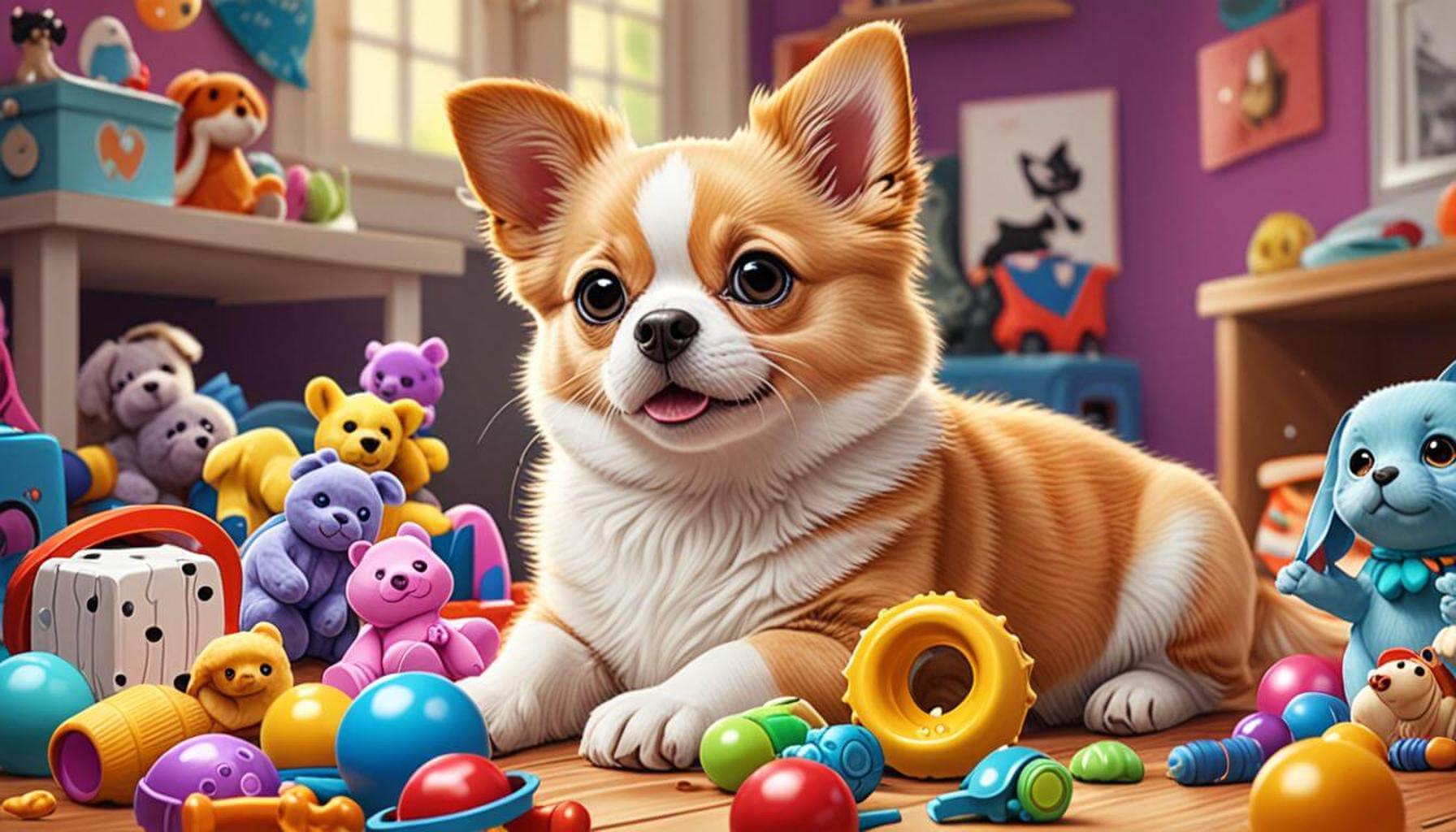
Choosing the right toys for your pet can make all the difference in their well-being and happiness. Toys serve not only as entertainment but also as a crucial element in your pet’s development and health. Pets, much like children, need opportunities for play and exploration, which can significantly enhance their quality of life.
When selecting toys, consider these key factors:
- Size: Ensure toys are appropriate for your pet’s size to prevent choking hazards. For instance, a small dog might love a tiny squeaky toy, but giving them a large plush meant for bigger breeds could lead to potential risks. Always check the manufacturer’s size recommendations to find the most suitable options.
- Material: Choose durable, non-toxic materials that can withstand your pet’s chewing. Many pet toys are made from rubber or fabric, but ensuring these materials are free of harmful chemicals is crucial. For example, natural rubber toys can be both robust and safe, reducing the risk of your pet ingesting toxic substances.
- Activity Level: Match toy type with your pet’s energy levels; active pets may prefer fetch toys like balls and frisbees, while less active pets might enjoy soft plush toys that cater to their quieter play style. For high-energy dogs like Border Collies, interactive toys that appeal to their need for physical exertion can keep them engaged.
Furthermore, toys can play a significant role in providing mental stimulation and physical exercise. Engaging with toys delivers a host of benefits:
- Reduces boredom: Toys can keep your pet entertained during alone time. For example, puzzle toys that dispense treats can challenge your pet’s problem-solving skills, making solitary hours fly by.
- Encourages exercise: Toys promote activity, helping to maintain a healthy weight. Regular play sessions can burn off excess energy, reducing the risk of obesity-related health problems.
- Strengthens bonds: Interactive toys can enhance the owner-pet relationship. Activities like playing tug-of-war or fetch not only provide fun but create lasting memories between pets and their humans.
Understanding your pet’s needs is essential to ensure that you make thoughtful choices. Take time to observe your pet’s play behavior; does your dog love a game of tug, or does your cat enjoy chasing a feather? By exploring the variety of available options, you can find the perfect toys that will keep your furry companion entertained and thriving. Seeking advice from pet professionals at local pet shops or vet clinics can also provide valuable insights into the best toys suited for your pet’s unique personality and preferences.
DISCOVER MORE: Click here for valuable pet adoption tips
Assessing Your Pet’s Preferences
As you embark on the quest to select the ideal toys for your pet, it’s crucial to understand their unique preferences and play styles. Just like humans, pets have distinct personalities that influence how they engage with toys. Paying attention to your pet’s preferences can lead to a more enjoyable playtime experience and can ensure that your investment in toys yields maximum benefits.
To assess your pet’s play style, consider conducting the following evaluations:
- Observation: Spend time watching how your pet interacts with their existing toys. Do they prefer to chase, chew, or cuddle? This will provide invaluable insight into the types of toys they may enjoy most. For instance, if your dog shows excitement at the sight of balls, it indicates they may thrive on fetch-related toys.
- Engagement: Introduce a variety of toys one at a time to see which captures their interest best. Observe whether they show enthusiasm, play for extended periods, or lose interest quickly. Engaging with different types of toys—such as squeaky toys, rope toys, or even interactive puzzle games—can reveal a lot about their preferences.
- Socialization: Consider how your pet interacts with other animals. A pet that enjoys social playtime may benefit from toys that can accommodate multiple participants, like tug ropes or interactive fetch devices. On the other hand, a more independent animal may prefer solitary toys to satisfy their need for alone time.
Understanding these facets will enable you to narrow down your choices to the most appealing options. Furthermore, your pet’s age, breed, and health condition may also influence their toy preferences. For example, puppies typically gravitate towards softer toys for chewers, whereas older pets may benefit more from toys specifically designed for dental health.
Moreover, consider your pet’s instinctual needs. Cats, as natural hunters, may derive immense enjoyment from feathered toys that mimic prey, while dogs might feel more alive with toys designed for chasing and retrieving. By aligning toy choices with these instinctual behaviors, you not only offer them entertainment but also nurture their emotional and physical well-being.
Another vital aspect to consider is the safety of the toys. In addition to choosing appropriate sizes and materials, regularly inspect toys for signs of wear and tear. This can help prevent ingestion of small parts or pieces that may pose choking hazards.
Ultimately, the process of choosing toys should be dynamic. Regularly updating your pet’s toy collection can keep playtime fresh and engaging, preventing boredom and stimulating their creative energies. Remember, the right toys can be a game-changer in maintaining a happy and healthy pet lifestyle.
Choosing the Right Toys for Your Pet
When selecting toys for your pet, it’s essential to consider their specific needs and preferences. Every pet, whether a dog, cat, or smaller animal, has unique behaviors and energy levels that can significantly influence their toy selection. Understanding these factors will not only enhance their playtime but also contribute to their overall happiness and well-being.
| Category | Benefits |
|---|---|
| Durable Chew Toys | Promote dental health, satisfy natural chewing instincts. |
| Interactive Toys | Encourage mental stimulation and prevent boredom. |
| Soft Plush Toys | Provide comfort and security, perfect for cuddling. |
| Fetch Toys | Encourage physical exercise, ideal for high-energy pets. |
| Puzzle Toys | Enhance problem-solving skills, provide rewarding challenges. |
Keep in mind that the size of the toy is also crucial; toys should be appropriately sized to avoid choking hazards. Additionally, observe how your pet interacts with their toys; a toy that brings endless joy to one cat might not interest another. Finding the perfect toy can take some experimentation, but the rewards in terms of your pet’s happiness and engagement are well worth the effort. As you explore the options available, consider their safety and durability to ensure your pet can enjoy their toys responsibly.
DISCOVER MORE: Click here to learn about balanced nutrition for your pet
Exploring Different Types of Toys
Once you have a clearer understanding of your pet’s preferences, the next step is to explore the various types of toys available. Each category of toys serves different purposes, catering to various aspects of your pet’s physical and mental stimulation. Choosing a diverse range of toys can help keep your pet engaged and happy.
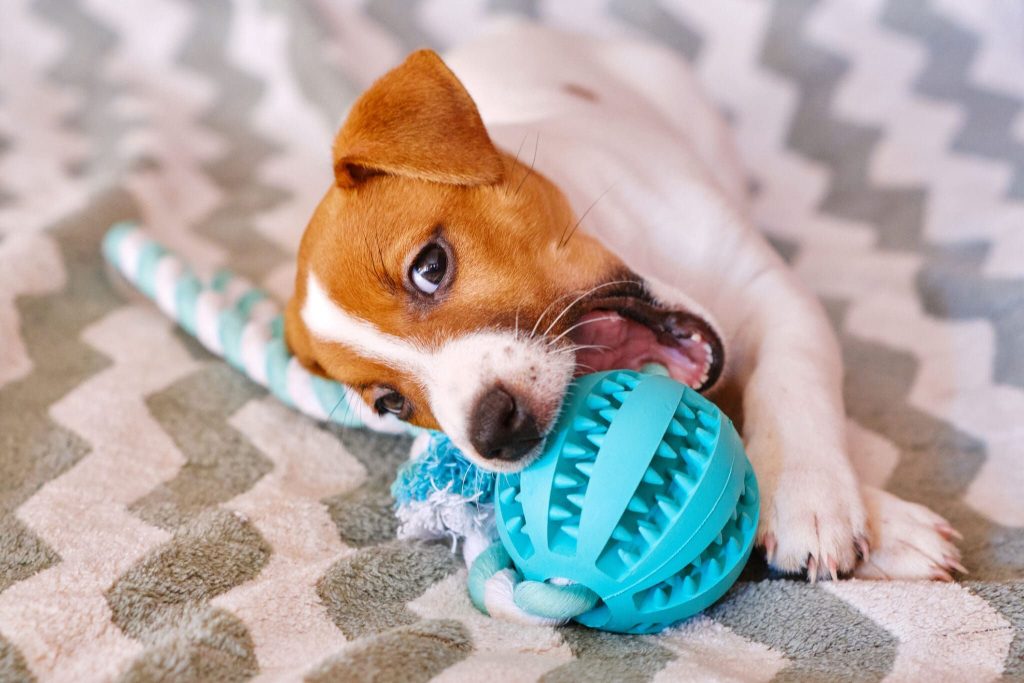
1. Chew Toys: One of the most popular categories for both dogs and certain breeds of cats are chew toys. These toys are specifically designed to satisfy the natural urge to chew and can also promote dental health. Dogs, especially puppies, benefit immensely from durable rubber or nylon chew toys that help reduce teething discomfort. Brands like KONG and Nylabone are widely recognized for their tough and long-lasting chewing options.
2. Interactive Toys: For pets that require mental stimulation, interactive toys can help develop problem-solving skills and keep them entertained for hours. Toys that dispense treats or require the pet to figure out how to retrieve a hidden snack are excellent choices. Interactive puzzle toys can stimulate your pet’s mind and reduce anxiety by making playtime more engaging. Popular examples include the Busy Buddy series and puzzle feeders that promote slower eating habits while keeping them entertained.
3. Fetch and Retrieval Toys: Dogs are known for their love of chase. Toys that cater to this instinct can enhance their physical activity while reinforcing the bond between you and your canine companion. Options such as frisbees, tennis balls, and specialized fetch sticks enable dogs to expend energy and enjoy rigorous playtime. A flying disc can be a great choice, as it allows for high-energy exercise in open spaces.
4. Plush and Cuddle Toys: Cats and dogs alike may find comfort in plush toys that they can cuddle or carry around. These toys often serve as companions, promoting a sense of security, especially for pets that are prone to anxiety or stress. When selecting plush toys, make sure they are durable and that there are no small parts that can be chewed off and swallowed.
5. Cat Toys: For those with feline friends, consider toys that encourage their instinctual hunting behavior. Toys that mimic the movement of prey, such as feather wands or battery-operated mice, can provide hours of entertainment. Additionally, laser pointers can be a fun way for owners to engage their cats while promoting exercise.
Moreover, keep in mind the materials used in your pet’s toys. It’s essential to ensure that the toys are non-toxic, especially for aggressive chewers who might ingest smaller pieces if the toy gets damaged. Look for certifications or labels indicating the toy has been tested for safety. It might also be beneficial to consult with your veterinarian regarding the suitability of specific types of toys, particularly if your pet has special dietary or health concerns.
Lastly, as your pet grows and their behavior evolves, so too should their toys. Regularly update your pet’s toy collection to reflect their changing tastes and energy levels. Engaging your pet with new, exciting toys not only keeps their interest piqued but also nurtures their social and environmental connections. After all, a happy pet is a healthy pet, and choosing the right toys plays a pivotal role in promoting their overall well-being.
DIVE DEEPER: Click here to learn about senior cat nutrition
Final Thoughts on Choosing Pet Toys
In conclusion, selecting the right toys for your pet is not merely a matter of convenience; it is crucial for their overall health, happiness, and well-being. As you navigate through the myriad of choices available, remember to keep in mind your pet’s age, breed, and individual preferences. Not all toys are created equal—some will stimulate your pet’s natural instincts, while others may serve to comfort and soothe them.
By understanding the different categories of toys, such as chew toys, interactive puzzles, and plush companions, you can tailor your selections to promote both physical activity and mental engagement. Additionally, ensuring the safety of materials used in these toys is paramount; always opt for non-toxic options that cater to your pet’s chewing habits and play style.
Lastly, regularly rotate your pet’s toys to keep their environment fresh and exciting. This not only maintains their interest but also allows you to introduce new forms of stimulation that align with their evolving behavior and energy levels. Engaging in playtime through toys is an excellent way to strengthen the bond between you and your pet, fostering not just joy but also a healthier lifestyle.
Investing time and thought into choosing the right toys can lead to a more fulfilling and enriching experience for both you and your furry companion. In the end, it’s all about creating a joyful atmosphere where your pet can thrive, explore, and engage with the world around them. Happy playing!