
How to Prepare Your Pet for a Visit to the Veterinarian

Getting Ready for the Vet Visit
Visiting the veterinarian can be a nerve-wracking experience for both pets and their owners. It’s essential to make this visit as smooth as possible. With a little preparation, you can help your furry friend feel more comfortable. By familiarizing yourself with the veterinary process and your pet’s health needs, you can create a supportive environment that reduces anxiety for both of you.
Why Preparation Matters
Proper preparation can alleviate stress and create a positive experience. Understanding the intricacies of a vet visit not only helps you navigate the process more effectively but also boosts your pet’s confidence in uncertain situations. Here are some compelling reasons why it’s important:
- Reduces Anxiety: Familiarizing your pet with the carrier can ease their nerves. To do this, consider leaving the carrier accessible in your home several days before the appointment, encouraging your pet to explore it, and rewarding them with treats or toys while they are inside.
- Ensures Documentation: Having health records ready saves time and enhances the visit. Make sure to gather any previous vaccination records, recent medical histories, or notes on any behavioral changes you’ve observed. This documentation can provide critical insights to your vet.
- Encourages Cooperation: Training your pet to be calm during check-ups fosters trust. Simple practices like gentle handling and positive reinforcement can prepare them for being examined, allowing for smoother interactions during the visit.
Moreover, knowing what to expect during the visit can help you understand your pet’s needs better. Each veterinary visit can vary and may include:
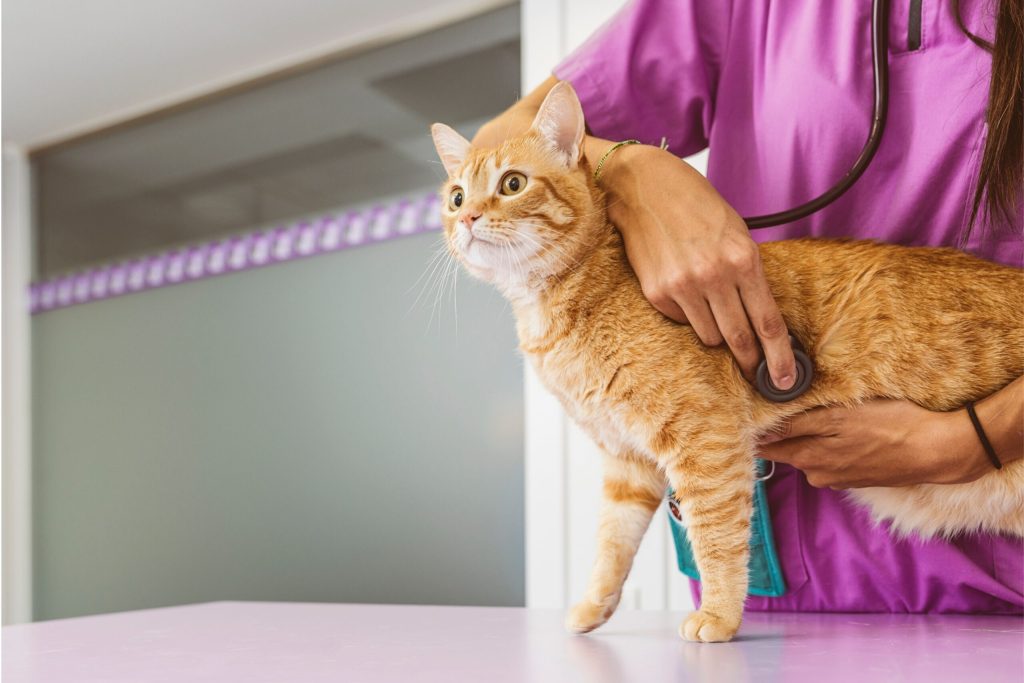
- Physical Examinations: Routine checks of your pet’s overall health include assessing their weight, listening to their heart rate, and checking their eyes and ears.
- Vaccinations: Keeping your pet protected against various diseases, such as rabies or distemper, is essential in safeguarding their health.
- Diagnostic Tests: Uncovering hidden health issues through lab work can include blood tests or urinalysis, which can be crucial for identifying problems before they escalate.
Before heading to the clinic, consider gathering necessary items such as a leash, favorite toy, or blanket that smells like home. Additionally, addressing any specific health concerns you have about your pet, such as changes in appetite or behavior, can facilitate a more thorough evaluation. This proactive approach will not only ease your pet’s anxiety but also empower you with knowledge about their health needs.
Ultimately, your preparation can contribute significantly to a more productive visit, allowing for better communication with your veterinary team and ensuring that your beloved pet receives the best possible care.
DISCOVER MORE: Click here to learn effective dog training techniques
Understanding the Veterinary Environment
To make your pet’s visit to the veterinarian as stress-free as possible, it’s crucial to understand the veterinary environment and what will take place during the appointment. Every clinic may have a different set-up, but there are common elements that can help you and your pet feel more at ease.
Familiarizing Your Pet with the Clinic
A preliminary visit can be beneficial. Consider scheduling a “meet and greet” visit to the clinic without an appointment for an examination or procedure. This allows your pet to get accustomed to the sounds, smells, and sights of a veterinary office without the added stress of being examined. Many clinics are open to providing this opportunity, encouraging a positive association with the space.
During this initial visit, let your pet explore the waiting room. Allow them to interact with the veterinary staff, which can help establish trust. Using treats and positive reinforcement during this time can enhance their comfort level. Remember, patience is key—give your pet ample time to adjust to this new environment.
Health Concerns To Discuss
Prior to the appointment, jot down any health concerns you wish to discuss with the veterinarian. This could include changes in behavior, eating habits, or general physical appearance. Having a list can ensure that nothing important is overlooked during the visit. Typical areas to consider include:
- Appetite Changes: Fluctuations in eating habits may signal health issues.
- Behavioral Changes: Uncharacteristic behaviors could be signs of stress or discomfort.
- Physical Symptoms: Look for any unusual lumps, skin irritations, or other physical anomalies.
Bringing this information to your vet can expedite the diagnostic process and provide helpful context for your pet’s current health status. Keeping an ongoing record of your pet’s health history also serves as a useful resource for both you and your veterinarian.
What to Expect on Appointment Day
On the day of the appointment, ensure that you have all necessary items packed, such as:
- The Leash or Carrier: Make sure your pet is secure and unable to escape.
- Identification: Have a copy of your pet’s medical records if transferring to a new vet.
- Your Emergency Contact Information: This ensures the clinic can reach you if needed.
It’s also wise to check the clinic’s policies regarding appointments, vaccinations, and any health certificates if you are traveling. This information can save valuable time during your visit and alleviate unnecessary stress.
By taking these preparatory steps, you pave the way for a more efficient and positive veterinary experience for both you and your pet. An informed and calm pet parent is key to not only ensuring a successful visit but also promoting overall well-being in your beloved companion.
In preparing your pet for a visit to the veterinarian, it is crucial to consider not only their comfort but also the efficiency of the visit itself. Here are some effective strategies that can help turn a potentially stressful situation into a more manageable one.Firstly, it is advantageous to familiarize your pet with the carrier or car. If you’re using a kennel or carrier, allow your pet to explore it before the appointment. Place familiar blankets or toys inside, which can help them associate the carrier with positive experiences. Take short car rides in advance to acclimate them to being on the move. If your pet senses anxiety during these early experiences, it could linger and escalate during the actual visit.Secondly, maintain a calm demeanor. Animals can pick up on human emotions, and if you are anxious or stressed, they may feel the same way. Practice relaxation techniques yourself, whether through deep breathing or visualizing a positive outcome, as this can help create a more serene environment for your pet. Moreover, prepare for any paperwork you may need beforehand. Keep vaccination records and any relevant medical history on hand, as this will expedite the veterinary process and allow for a more thorough examination of your pet’s needs. Additionally, consider the timing of your visit. Early morning or late afternoon appointments tend to be less busy and more conducive to a calm environment, minimizing your pet’s exposure to the hustle of a packed waiting room.Finally, don’t underestimate the power of treats and rewards. Bring along your pet’s favorite snacks to provide comfort and positive reinforcement during and after the visit. A little extra love can go a long way in alleviating anxiety for your furry friend.Incorporating these strategies will not only enhance the experience for your pet but also help you to ensure a thorough examination and better overall healthcare for your beloved companion. Understanding your pet’s needs and preparing accordingly empowers you to support their health more effectively.
DISCOVER MORE: Click here to learn about alternative therapies for your pets
Preparing Your Pet for the Journey
Once you understand the veterinary environment, the next step is preparing your pet for the journey to the clinic. The actual trip can often be one of the most anxiety-inducing aspects for your furry friend. A few strategies can help turn this experience into a more manageable one.
Safe Transport Options
Whether you have a dog or a cat, ensuring they are securely transported is paramount. For dogs, a well-fitted harness or a secured crate is advisable. It can prevent sudden movements that may cause distraction or panic. Cats, on the other hand, usually fare better in a covered crate that they feel safe in. Frequent travelers may consider a familiar blanket or toy in the carrier to help soothe them during transit. The sense of familiarity can significantly mitigate stress.
Practice Calm Behavior
Your behavior greatly influences your pet’s mood. Maintaining a calm and reassuring demeanor during the journey can convey a sense of security. If you exhibit stress or anxiety, your pet will likely mirror those feelings. Practice deep breathing techniques or soothing words while handling your pet. You may even want to play soft music in the car to create a relaxed atmosphere.
Choosing the Right Time for the Appointment
Timing is everything, especially when scheduling the visit. Try to select a time when your pet is usually relaxed and content. If your pet tends to be more active during the morning, aim for an afternoon appointment when they might be calmer. Additionally, booking during less busy hours can reduce the wait time, ensuring a smoother experience overall. To further ease your pet’s anxiety, consider scheduling follow-up appointments on the same day and time if regular visits are needed. This regularity provides an anticipatory comfort for change.
Reducing Anxiety with Natural Remedies
Many pets experience significant anxiety simply from the scent of the vet clinic or the sounds associated with it, like barking or chirping. To ease these feelings, some pet owners turn to natural remedies. Products containing calming pheromones can be spritzed into the carrier before transport, providing a sense of peace for your pet. Alternatively, consider calming supplements or treats with ingredients like valerian root or chamomile, which can help to minimize anxiety.
What to Bring on the Day of the Appointment
In addition to the essentials already mentioned, there are other items worth considering for the visit. Bring your pet’s favorite toy for comfort, especially if it has a familiar scent. This item could play a significant role in reducing anxiety during the examination. Also, prepare any recent photos or notes relevant to your pet’s behavior or health changes; having these at hand can facilitate better communication with the vet.
Being thorough in preparation leads to not only a smoother visit but also establishes a solid foundation for your pet’s ongoing care. The more confidence you exhibit during the process, the better your pet will respond, ultimately contributing to a healthier and happier experience during their healthcare journey.
DIVE DEEPER: Click here to learn more about dog socialization
Conclusion
Preparing your pet for a visit to the veterinarian is essential to ensure their wellbeing and reduce anxiety. By understanding the veterinary environment, employing safe transport options, and maintaining a calm demeanor, you can significantly ease your pet’s transition to the clinic. The key lies in meticulous planning—selecting the right time for the appointment, utilizing natural remedies to reduce stress, and bringing familiar items from home can create a comforting atmosphere for your furry friend.
Moreover, by incorporating what you learn about your pet’s behavior and preferences into each visit, you establish a routine that can lead to greater contentment and health over time. Remember, a well-prepared owner instills confidence in their pet. This ultimately cultivates a positive experience not only for the pet but also for the dedicated veterinary staff who assist in their care.
As you embark on this journey, keep in mind that every pet is unique, and your tailored approach will lend itself to a smoother veterinary experience, ensuring their health and happiness in the long run. Investigating further into each of these strategies will equip you to become an advocate for your pet during their healthcare journey, fostering trust and routine visits that result in better health outcomes. Embrace the process, and you will both benefit from the experience.