Raw Dog Diets Exploring Health Benefits and Potential Risks
In recent years, the debate surrounding raw diets for dogs has gained significant traction among pet owners and veterinarians alike. With many advocates claiming it leads to a healthier, more vibrant life for dogs, it’s essential to delve deeper into this topic to understand both its benefits and risks.
As we explore this trend, consider the following aspects that highlight its complexity:
- Nutritional Value: Raw diets often emphasize a more natural intake of nutrients.
- Health Conditions: Some owners report improvements in conditions like allergies and obesity.
- Potential Risks: The possibility of bacterial contamination and imbalanced nutrition raises concerns.
This article aims to dissect these elements, paving the way for an informed decision. Stay tuned as we present a ranking of the Top 5 key points about adopting a raw dog diet, shedding light on what pet owners should consider before making the switch.
The Impact of Raw Diets on Dog Health: Benefits and Risks
In recent years, as awareness surrounding canine dietary needs has grown, many pet owners have gravitated towards feeding raw diets to their dogs. Known as “BARF” which stands for “Biologically Appropriate Raw Food” or “Bones and Raw Food,” raw diets typically consist of uncooked meat, bones, fruits, and vegetables. The discussion on raw diets is heated, with passionate advocates and critical skeptics debating their merits. This article delves into the impact of raw diets on dog health, considering both the benefits and risks. From potential health advantages to noteworthy drawbacks, it’s essential to evaluate these factors to make well-informed decisions for our furry companions. Below are the top five considerations when it comes to feeding dogs a raw diet.
5. Nutritional Balance
One of the foremost considerations when opting for raw diets is achieving a nutritionally balanced meal. The building blocks of raw diets often include ingredients like raw meat, bones, fresh fruits, and vegetables, each carrying distinct nutritional profiles. For an appropriate diet, owners must ensure that dogs receive all necessary nutrients in correct proportions. This can be quite challenging, as any imbalance may usher in deficiencies or excesses, particularly in vital vitamins and minerals.
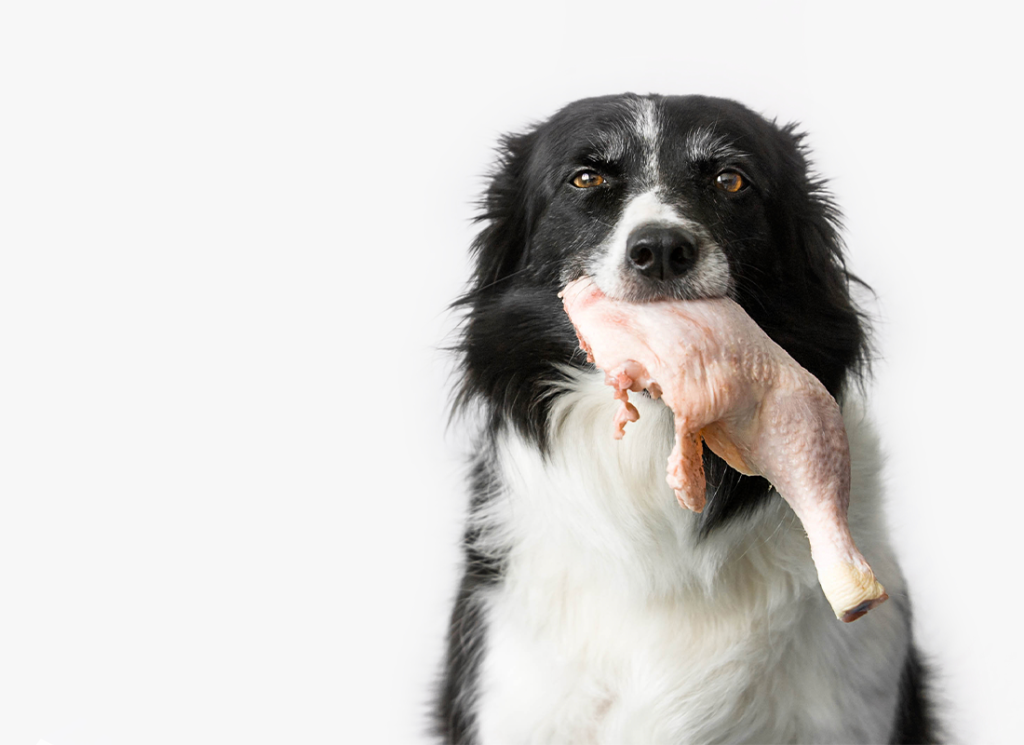
To craft a nutritionally complete raw diet, the inclusion of certain elements is necessary:
- High-quality protein sources: Essential for muscle development and tissue repair.
- Healthy fats: Important for energy, skin health, and vitamin absorption.
- Essential vitamins and minerals: Required for overall health and organ function.
- Bone content: Provides calcium necessary for strong bones and teeth.
Dog owners must be meticulous, often turning to guidance from veterinarians or certified pet nutritionists to tailor diets specific to their dog’s age, breed, and health status. It’s vital to remember that nutrition is not a one-size-fits-all scenario; meticulous planning and expert advice are indispensable.
4. Digestive Health
Proponents of raw diets argue that these feeding practices enhance digestive health. The theory underscores the presence of natural enzymes in raw meat and organic foods which purportedly optimize digestion and improve nutrient absorption. Furthermore, raw diets reportedly result in smaller, less smelly feces, possibly due to the absence of fillers and artificial additives present in many commercial dog foods.
Nonetheless, caution is warranted. Transitioning a dog to a raw diet can sometimes result in digestive disturbances, especially if the switch is abrupt. Dogs may experience gastrointestinal symptoms like diarrhea or vomiting as they adapt to the new food regimen. A gradual introduction of raw foods into their diet, often over several weeks, is recommended to mitigate these potential issues.
3. Risk of Bacterial Contamination
A paramount concern surrounding raw diets is the risk of bacterial contamination. Raw meat can harbor bacteria like Salmonella and E. coli, posing significant health threats to both dogs and their human companions. Although dogs have highly acidic stomachs, which offer some protection against pathogens, the risk cannot be dismissed.
Pet owners keen on raw diets should adhere to stringent food safety measures:
- Using fresh and high-quality ingredients: Minimizes the starting bacterial load.
- Practicing good hygiene during food preparation and storage: Wash hands, sanitize surfaces, and use clean utensils.
- Avoid feeding raw diets to immunocompromised animals or in households with vulnerable individuals: Reduces health risks to both pets and humans.
Education on correct handling and preparation techniques is critical in safeguarding health, underlining the importance of informed and safe practices.
2. Allergies and Sensitivities
One promising benefit attributed to raw diets is the potential alleviation of allergies and sensitivities. Many commercially prepared dog foods contain grains, preservatives, and artificial ingredients that can spark allergic reactions in some dogs. A personalized raw diet allows owners to exert control over the ingredients, enabling them to eliminate potential allergens.
Through careful selection of proteins and vegetables, many owners report resolving dog health issues such as:
- Skin irritations: Often linked to food sensitivities, raw diets can promote healthier skin.
- Digestive issues: Simplified ingredient lists can soothe sensitive stomachs.
- Chronic ear infections: Related to food allergies, a switch in diet may reduce incidences.
As with any dietary change, new foods should be introduced gradually, with a close watch for any adverse reactions, to discover what food combination best suits the pet.
1. Overall Health and Longevity
Central to the alleged benefits of raw diets is their impact on a dog’s overall health and longevity. Advocates claim that mimicking a dog’s ancestral eating patterns can unlock optimal health. Raw diets, rich in premium protein sources and essential fatty acids, are credited with enhancing vitality and boosting energy levels.
Many dog owners have observed positive transformations following a switch to raw feeding, such as:
- Increased stamina: Dogs may exhibit higher energy and physical activity levels.
- Shinier coats: Adequate healthy fats and nutrients contribute to improved skin and coat health.
- Dental health improvements: Chewing on raw bones can help maintain cleaner teeth.
Additionally, raw diets are often touted as beneficial for weight management, offering a nutrient-dense intake that aids in effective metabolization. However, it’s crucial to weigh these potential benefits against the accompanying risks and individual health needs. Consulting with a veterinarian is indispensable before implementing significant dietary changes, ensuring that the adaptations are beneficial and suited to the dog’s specific needs.
Ultimately, while raw diets may offer several potential advantages, they also come with considerations and risks that should not be overlooked. Armed with the right information and expert consultation, pet owners can make educated choices that prioritize their beloved pets’ health and well-being.
Raw diets for dogs, often referred to as “biologically appropriate raw food” (BARF), have gained a significant following among pet owners seeking to replicate what they believe is a more natural diet for their canine companions. While advocates argue that transitioning to a raw diet can bring multiple advantages, it is essential to consider both the benefits and potential risks involved. First and foremost, one of the most highlighted benefits of raw diets is the improved skin and coat health. Many dog owners report a noticeable enhancement in their dog’s coat shine and reduced instances of skin irritations. This improvement is attributed to the high levels of omega fatty acids found in raw meats and fish, which can nourish the skin from the inside out. Additionally, feeding dogs raw meals often leads to healthier tooth and gum conditions. The natural chewing process involved in consuming raw bones and meat acts as a cleansing mechanism, effectively reducing plaque buildup, which may lead to better overall oral health.Furthermore, proponents of raw diets often cite enhanced digestion as a major advantage. Raw foods are generally less processed and retain more of their natural enzymes, which can make it easier for dogs to break down nutrients. Many pet owners have observed a decrease in issues like gas and bloating after switching to raw diets. Moreover, raw diets often include a variety of meat, organs, and bones that provide a more balanced nutrition profile in terms of vitamins and minerals, contributing to overall health maintenance.On the other hand, transitioning to a raw diet is not without its risks. One significant concern is the potential for bacterial contamination. Raw meats, if not handled or stored properly, pose a risk of pathogens such as Salmonella and E. coli, which can not only affect dogs but also pose a risk to human family members. This aspect requires strict hygiene practices in meal preparation to mitigate risks associated with bacteria. Additionally, dogs can require specific nutritional balances, and imbalances due to poorly formulated raw diets can lead to deficiencies or excesses, particularly in essential vitamins and minerals. This risk is exacerbated if owners do not have a thorough understanding of canine nutritional needs.Another lingering consideration involves the risk of bone splintering. While raw bones can aid dental health, some types of bones, especially large or hard ones, can break a dog’s teeth or cause injury to their mouths and gastrointestinal tract. Careful selection of appropriate bones and supervision during feeding are necessary to avoid these potentially dangerous issues.In summary, raw diets present a compelling landscape filled with potential benefits such as improved skin health, better digestion, and balanced nutrition. However, the possible risks associated with bacteria, nutritional imbalances, and bone-related injuries must not be overlooked. Each dog’s individual health needs should be thoughtfully considered, encouraging holistic discussions with veterinarians to ensure any dietary transition is safe and beneficial for the dog’s overall well-being.
Frequently Asked Questions about Raw Diets for Dogs
What constitutes a raw diet for dogs?
A raw diet for dogs typically includes a variety of uncooked animal-based food items like meat, bones, organs, and sometimes fruits and vegetables. Known more formally as BARF (Biologically Appropriate Raw Food or Bones and Raw Food), the idea is to replicate what canines might eat in the wild. However, the composition may vary greatly depending on the specific philosophy of the diet. Supporters claim that these ingredients provide more natural and health-supporting nutrition for dogs. It is crucial to ensure that the diet is balanced and complete, adhering to the nutritional guidelines set by veterinary nutrition experts.
Are there any health benefits tied to feeding dogs a raw diet?
Proponents of raw diets often cite a range of potential benefits, including improved coat condition, cleaner teeth, smaller stools, increased energy levels, and fewer allergy-related issues. Some research suggests that a raw diet can result in positive changes in the gut microbiome, possibly offering improvements in digestive health. Nevertheless, scientific evidence supporting these claims is still limited, and thus, further research is required to substantiate these purported benefits.
What risks are associated with feeding dogs a raw diet?
Though some dog owners swear by the benefits of raw diets, they do not come without risks. These include potential exposure to harmful pathogens like Salmonella and E. coli, which can affect not only your pet but also family members who come into contact with the dog or their food. There is also a risk of imbalanced nutrition, particularly if the diet is not well-formulated, possibly leading to deficiencies in essential nutrients like calcium and phosphorus. Consulting with a veterinary nutritionist is advisable to mitigate these risks.
How can I transition my dog to a raw diet safely?
Transitioning your dog to a raw diet requires careful planning and should not be abrupt. It is generally recommended to start by gradually introducing raw elements to your dog’s current diet over several weeks. Monitoring for any adverse reactions, such as vomiting or changes in bowel movements, is crucial during this period. Ensure that you practice strict hygiene standards to avoid contamination and consult your veterinarian for tailored advice, taking into consideration your dog’s specific health conditions and nutritional needs.
What is the current stance of veterinarians on raw diets for dogs?
The veterinary community is divided on raw diets for dogs. Some veterinarians advocate for them, citing anecdotal evidence and observed benefits in their practice. However, many veterinarians advise caution due to the risk of infection and nutritional imbalance. Organizations like the American Veterinary Medical Association (AVMA) generally recommend steering clear of raw diets because of these concerns. Nonetheless, the decision often boils down to individual cases, with a focus on whether the diet is appropriately balanced and safe.
Conclusion: Weighing the Benefits and Risks of Raw Diets for Dogs
In evaluating the impact of raw diets on dog health, it becomes evident that this feeding approach carries both potential benefits and risks that require careful consideration. A major advantage lies in the high nutritional quality of raw diets, often rich in vitamins, minerals, and enzymes that can enhance a dog’s overall well-being. Many proponents also highlight improvements in digestive health, skin condition, and energy levels as significant benefits.
However, the risks associated with raw diets cannot be overlooked. Critical concerns include the dangers of bacterial contamination, leading to infections like Salmonella and E. coli, which could affect both dogs and humans. Additionally, raw diets may present issues of nutritional imbalance if not meticulously planned, risking deficiencies or excesses in essential nutrients that could potentially harm a dog’s long-term health.
For pet owners considering a raw diet, consultation with a veterinarian or a pet nutritionist is crucial. Professional guidance can help strike a balance, ensuring the diet is both nutritionally comprehensive and safe. Pet owners should remain informed about the latest research and trends regarding raw diets, as this is an evolving area within pet nutrition.
As the debate continues, it is essential for dog owners to weigh individual lifestyle choices, health indicators, and breed-specific needs. The topic of raw diets serves as a reminder of the critical role nutrition plays in pet health and encourages ongoing dialogue and investigation into optimal dietary practices for our canine companions.