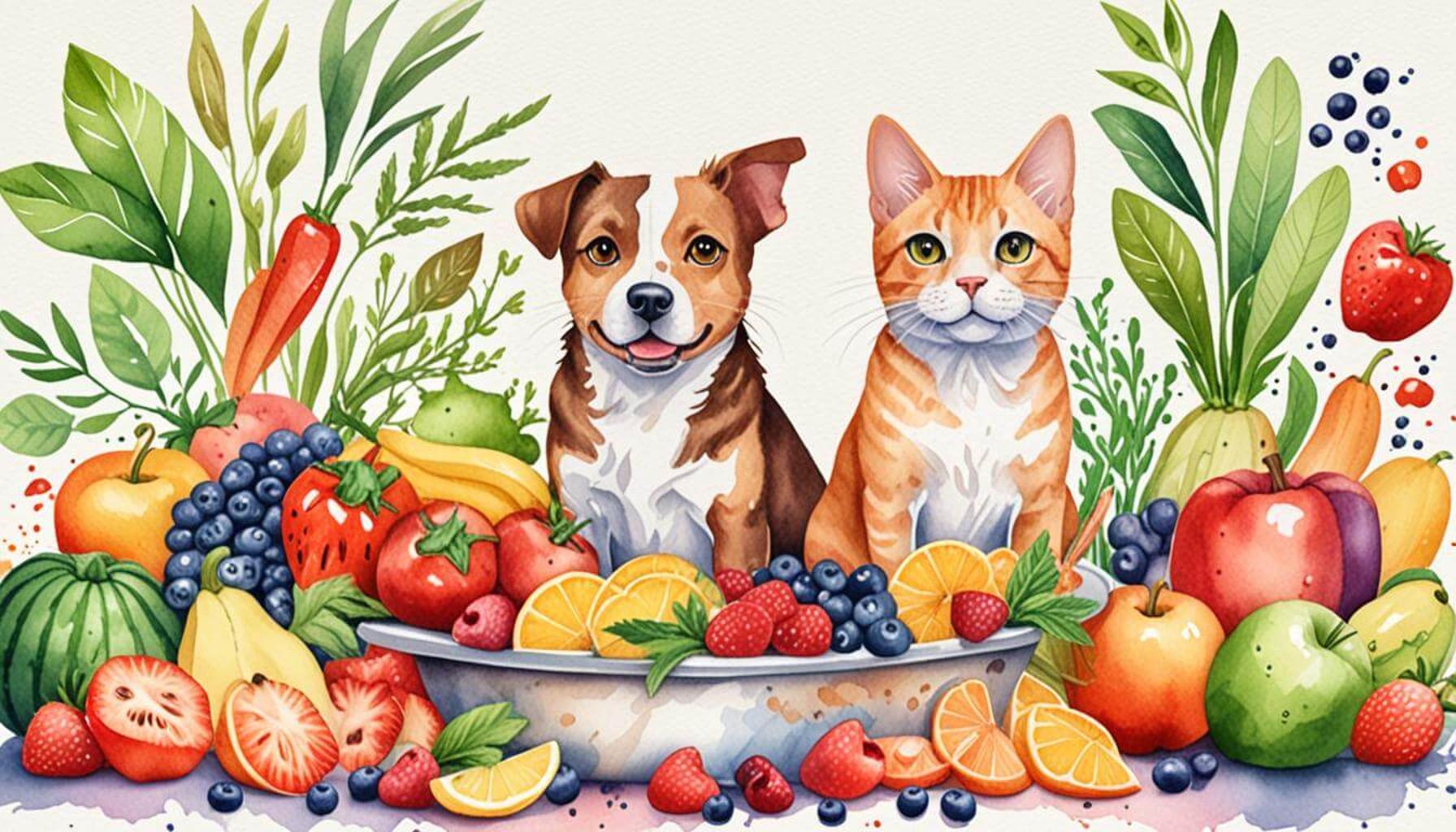
The Importance of Balanced Nutrition for Pet Health

Understanding Pet Nutrition
In today’s fast-paced world, it’s easy to overlook the fundamentals of pet nutrition. However, ensuring that our furry companions receive a balanced diet is essential for their overall health. A proper nutritional regimen not only contributes to the vitality of pets but also plays a critical role in preventing various diseases and promoting longevity. Knowledge about pet nutrition can empower owners to make more informed choices that can lead to happier and healthier pets.
Key Aspects of Balanced Nutrition
Balanced nutrition involves the appropriate combination of nutrients, which can be broken down into key components:
- Proteins: These are essential for muscle development and repair. They act as the building blocks for tissues and are crucial in maintaining healthy body function. High-quality sources of protein for pets include chicken, fish, and legumes.
- Fats: Healthy fats provide necessary energy and support skin and coat health. Omega-3 and Omega-6 fatty acids are particularly important; they help to maintain joint health and a shiny coat. Fish oil and flaxseed oil are excellent sources.
- Carbohydrates: While pets do not require carbohydrates in the same way humans do, they are necessary for energy metabolism. Complex carbohydrates from sources like brown rice and sweet potatoes can provide a sustained energy source, aiding in overall digestive health.
- Vitamins and Minerals: These are vital for numerous bodily functions and immune support. A range of vitamins, such as A, D, and E, along with minerals like calcium and phosphorus, can be introduced through various fruits and vegetables, providing antioxidant properties and overall immune support.
The consequences of poor nutrition can be severe and significantly impact a pet’s quality of life. Pets with unbalanced diets may experience:
- Obesity: This can lead to diabetes, heart disease, and joint issues. According to the Association for Pet Obesity Prevention, over 50% of dogs and cats in the U.S. are considered overweight or obese.
- Dental Issues: Inadequate nutrition can result in dental problems such as gum disease and tooth decay. Regular dental check-ups can help, but nutritious kibble can also support dental health by minimizing plaque build-up.
- Skin Problems: Poor nutrition can cause skin allergies and infections. A diet lacking in essential fatty acids can lead to dry, itchy skin and a dull coat.
Awareness of these factors can motivate pet owners to prioritize their animal’s dietary needs. Understanding the importance of a balanced diet can lead to enhanced pet health, reducing the risk of disease while improving their quality of life. As we delve deeper into the critical nature of balanced nutrition for pet health, it’s essential to explore effective strategies such as consulting with a veterinarian, reading ingredient labels, and choosing high-quality pet foods. These actions will not only benefit your pet’s immediate health but also foster a longer, happier life for your cherished companions.
DIVE DEEPER: Click here to uncover effective cat training techniques

Navigating the Nutritional Landscape
As pet owners, one of our primary responsibilities is to ensure that our companions receive a balanced diet that meets their specific needs. With the myriad of pet food options available on the market, understanding what constitutes a nutritious meal can be overwhelming. It is essential to recognize the intricate balance of ingredients that contribute to overall pet health. Each nutrient plays a unique role and should be carefully considered when planning your pet’s meals.
Protein: The Building Block of Life
At the core of a balanced diet lies protein, a crucial component for your pet’s growth and maintenance. Proteins are composed of amino acids, which are vital for the development of muscle, skin, and fur. Dogs and cats, being carnivorous and omnivorous respectively, thrive on high-quality protein sources. It is recommended to incorporate various sources such as:
- Animal proteins: Chicken, turkey, beef, and fish are excellent sources of essential amino acids.
- Plant-based proteins: While often secondary, legumes and peas can round out protein intake, particularly for grain-free diets.
When selecting pet food, look for products that list specific meat as the first ingredient, rather than vague terms like “meat by-products,” which can be less nutritious.
Fats: Not the Enemy
Fats are often misconceived as the villain in dietary health. However, they are an essential part of a pet’s diet, providing energy and supporting cell structure. Healthy fats, particularly Omega-3 and Omega-6 fatty acids, offer a host of benefits:
- Contributing to a lustrous coat and healthy skin
- Promoting joint health
- Supporting cognitive function
Sources of healthy fats include fish oil, flaxseed oil, and chicken fat. Including these in moderation ensures that your pets have the energy they need without the risk of obesity.
Carbohydrates: A Necessary Fuel Source
Though carbohydrates are not essential in the same way proteins and fats are, they serve as an important source of energy for pets. Complex carbohydrates, found in grains and vegetables, can aid digestion and provide sustained energy. Common sources include:
- Brown rice
- Sweet potatoes
- Barley
However, it is crucial to avoid excessive fillers such as corn and soy, which can lead to digestive issues. Proper balance is key in maintaining energy levels without compromising overall health.
In summary, each component of a pet’s diet plays a significant role in their overall health. A well-rounded approach to nutrition not only supports your pet’s physical needs but also enhances their quality of life. As we continue to explore the multifaceted impacts of nutrition, we will highlight additional considerations, including the significance of vitamins, minerals, and practical strategies for maintaining your pet’s health through diet.
| Advantage | Importance |
|---|---|
| Enhanced Immune Function | Balanced nutrition helps bolster a pet’s immune system, making them less prone to diseases and infections. |
| Weight Management | Proper nutrition prevents obesity, thereby reducing risks of diabetes, joint issues, and other related health problems. |
| Improved Digestive Health | A diet rich in fiber aids digestion, reducing gastrointestinal upset and ensuring better nutrient absorption. |
| Better Skin and Coat Quality | Nutrients like Omega fatty acids are vital for maintaining healthy skin and a shiny coat, improving overall appearance. |
The implications of balanced nutrition extend beyond basic health; they play a critical role in the overall quality of life for pets. Ensuring that pets receive the right balance of vitamins, minerals, proteins, and fats not only fosters a robust immune system but also shields them from chronic diseases that can compromise their vitality. A well-nourished pet enjoys higher energy levels which enable them to engage more actively with their environment, further enhancing their mental and emotional well-being.Studies indicate that pets who maintain a healthy weight through balanced nutrition also benefit from improved joint health, which is particularly vital as they age. Furthermore, regularly feeding pets diets rich in wholesome ingredients will significantly lessen the chances of digestive disorders that can disrupt their daily routine and cause distress. The combination of these advantages reinforces the idea that providing constant, balanced nutrition is fundamental to the long-term health and happiness of our furry friends.
LEARN MORE: Click here to discover the health benefits and potential risks
Essential Vitamins and Minerals: The Micronutrients’ Role
While macronutrients such as proteins, fats, and carbohydrates are fundamental for your pet’s health, vitamins and minerals are equally critical as micronutrients that support various bodily functions. These nutrients contribute to numerous physiological processes, including immune function, bone development, energy metabolism, and more.
The Power of Vitamins
Vitamins serve as essential catalysts in the biochemical reactions within your pet’s body. For instance:
- Vitamin A: Important for vision, skin health, and immune response, leading to a well-rounded, healthy life.
- Vitamin D: Vital for calcium absorption and bone health, ensuring strong skeletal structure.
- B-complex vitamins: These vitamins help convert food into usable energy and support brain health.
Many commercial pet foods are fortified with these vital vitamins to prevent deficiencies; however, it is essential to consult with a veterinarian to tailor supplementation based on your pet’s specific needs and lifestyle.
Minerals Matter
On the mineral front, elements such as calcium, phosphorus, potassium, and magnesium are necessary for various bodily functions:
- Calcium and Phosphorus: Digging deep, these minerals are crucial for strong bones and teeth, particularly in growing puppies and kittens.
- Potassium: This mineral plays a key role in muscle function and fluid balance, aiding the overall well-being of your pet.
- Iron: A critical component of hemoglobin, iron ensures that oxygen is delivered throughout the body, promoting optimal energy levels.
Inadequate mineral intake can lead to serious health problems, so it’s vital to choose high-quality foods that offer a balanced source of these essential nutrients.
Implementing a Comprehensive Nutrition Strategy
Creating a balanced diet for your pet doesn’t just stop at buying pre-packaged food. It’s important to take a proactive approach that considers your pet’s individual health conditions, age, and lifestyle. One effective strategy involves:
- Consulting a Veterinarian: Regular veterinary check-ups can offer invaluable insights about your pet’s nutritional needs. Specific dietary requirements can change with age, health, and activity level.
- Transitioning Gradually: Should you decide to switch food brands or types, always introduce new foods gradually to prevent gastrointestinal upset. A smooth transition can help your pet adapt to new nutrients effectively.
- Incorporating Whole Foods: When appropriate, supplementing store-bought diets with fresh fruits and vegetables can provide additional vitamins and minerals. Always check for pet-safe options, like carrots or blueberries, which can serve as healthy treats.
Furthermore, if you opt for a homemade diet, consider enlisting the help of a veterinary nutritionist. They can provide you with tailored guidelines to ensure you meet all of your pet’s dietary needs while avoiding nutritional deficiencies.
Finally, be mindful of calorie intake and keep an eye on your pet’s weight. Obesity is increasingly common in pets and can lead to health complications. Keeping track of calorie intake ensures your pet maintains a healthy weight, promoting a longer, happier life.
LEARN MORE: Click here for essential tips
Conclusion: The Path to Optimal Pet Health
In summary, balanced nutrition is the cornerstone of your pet’s health and well-being. While macronutrients like proteins, fats, and carbohydrates provide the fundamental energy and building blocks, micronutrients such as vitamins and minerals play indispensable roles in ensuring vital physiological processes occur smoothly. Adopting a holistic approach towards your pet’s diet enables you to tailor their nutritional intake to their specific needs, whether based on age, activity level, or health conditions.
Regular consultations with a veterinarian are paramount, as they can offer personalized dietary recommendations that adapt over time. Additionally, embracing the practice of gradually introducing new foods and incorporating wholesome, natural ingredients can significantly enhance the nutritional profile of your pet’s diet.
It is crucial to remain vigilant about your pet’s weight, as obesity can lead to numerous health complications. Monitoring calorie intake and encouraging physical activity not only ensures a healthy weight but also fosters a long, fulfilling life. A well-balanced diet, combined with consistent veterinary care, will set the stage for a vibrant, happy pet. Therefore, investing time and effort into understanding and implementing a comprehensive nutritional strategy is not just a choice; it’s a commitment to a healthier future for your furry companions.