
The Importance of Pet Training in Family Integration

The Importance of Pet Training in Family Life
Welcoming a pet into the family can be an exhilarating experience, often filled with moments of joy and companionship. However, it is crucial to recognize that along with the excitement comes a set of responsibilities, not the least of which is pet training. Training plays a vital role in facilitating a smooth integration of pets into family life, leading to a more harmonious environment.
One of the most significant advantages of training is improved behavior. A well-trained pet is less likely to engage in destructive or disruptive behavior, such as chewing furniture, barking excessively, or having accidents indoors. For instance, a dog that has mastered commands like “sit,” “stay,” and “leave it” is less likely to bolt out the door when it opens or snatch food from the table when you’re not looking. This control not only helps in maintaining the integrity of your home but also enhances the quality of life for the pet, creating a positive atmosphere for everyone.
Training also contributes to strengthened bonds between pets and family members. Regular training sessions create opportunities for engaging interactions that foster trust and communication. These moments can often translate into closer relationships among family members, as everyone can participate in activities like agility drills, obedience classes, or even fun game-like sessions using treats as motivation. Imagine a Saturday morning where the entire family collaborates to teach the dog new tricks; the shared laughter and teamwork can enhance family dynamics significantly.
Furthermore, enhanced safety is a critical benefit of well-trained pets. Animals that reliably follow commands are less likely to put themselves in harm’s way. For example, a dog that has learned to recall promptly when called can avoid dangerous situations, like running into traffic or approaching unfamiliar animals. This reliable recall could protect not just the pet but also provide peace of mind for the entire family, allowing everyone to relax and enjoy outings together.
Training pets helps cultivate a sense of responsibility, particularly among children, who learn to engage actively and empathetically with their pet. Activities like obedience training can be both fun and educational, teaching essential skills such as patience, consistency, and compassion. For families in the United States where pet ownership rates are soaring—over 67% of households own a pet according to recent surveys—proper training is essential in creating an environment that sees pets as beloved family members rather than just animals that live in your home.
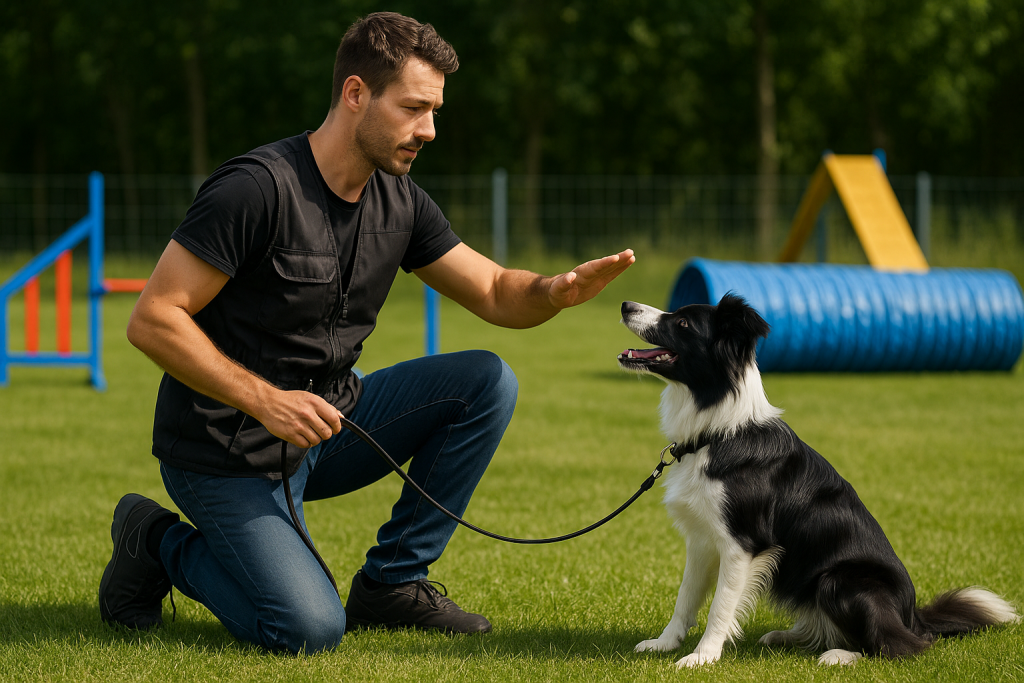
Ultimately, investing time in pet training leads to a richer, more fulfilling family life. It transforms the often chaotic experience of pet ownership into a cooperative journey, where pets and their families grow together. As the bond strengthens, families not only enjoy better companionship but also create lasting memories filled with tail wags and laughter.
DIVE DEEPER: Click here for effective cat training tips
Creating a Foundation for Family Integration
Training a pet is not just a routine task; it serves as the foundation for successful integration into family life. When a pet is sufficiently trained, it contributes significantly to establishing a stable environment, where interactions are characterized by respect and understanding among all members of the household. This is particularly important in families with children, as it fosters a sense of safety and reassurance. A well-trained pet reduces the anxiety that can arise from uncertain behaviors, allowing for more enjoyable family time and shared activities.
Moreover, well-structured training can open doors to various activities that the whole family can enjoy together. Whether it’s taking a dog to a park, visiting pet-friendly cafes, or actively participating in dog sports like agility or obedience trials, these experiences become valuable opportunities for bonding. Engaging in these activities not only cements the relationship between pet and owner but also enriches the family unit. The lessons learned during these shared experiences positively impact family dynamics, as they promote teamwork and shared goals.
Benefits of Training for Family Cohesion
Investing in pet training provides numerous benefits that contribute to family cohesion:
- Reduces Stress: A well-behaved pet lessens the chaos that can disrupt family life, creating an atmosphere of calm and enjoyment.
- Promotes Teamwork: Training sessions can involve all family members, fostering collaboration and communication skills.
- Instills Discipline: Setting boundaries during training teaches children the importance of responsibility and routine.
- Encourages Empathy: Children learn to interpret their pet’s needs and feelings, fostering a sense of compassion.
- Fosters Security: Knowing that a pet will respond positively in various situations helps parents feel more confident in their pet’s behavior, reinforcing family tranquility.
In the United States, families are increasingly incorporating pets into their lives, with more than 67% of households owning a pet. This statistic underscores the necessity of training; without it, the potential for discord can increase, leading to challenges in maintaining an enjoyable family life. Moreover, understanding and addressing behavioral issues through training can prevent the heartache of surrendering a pet due to unmanageable behavior.
The journey of training a pet is one of growth and adaptation—not just for the animal, but for the entire family. By committing to this process, families not only enhance their relationships with their pets but also create a nurturing environment where every member can thrive. As we delve further into the importance of pet training in family integration, we will explore how it uniquely shapes family traditions and rituals, paving the way for a harmonious coexistence.
The Role of Pet Training in Strengthening Family Bonds
Pet training is not just a method for ensuring your animal obeys commands; it serves as a catalyst for family cohesion. Understanding how pets can actively contribute to family dynamics is essential for realizing their value in a household. Families who engage in pet training together often find their connections deepening, as shared experiences reinforce relationships and promote communication.Families are provided the opportunity to cultivate responsibility within children through pet training. Children learn valuable lessons about commitment, patience, and empathy, shaping them into conscientious family members. Active participation—whether it’s teaching the family dog basic commands or preparing for agility competitions—can yield long-term benefits in both personal development and family relationships.Moreover, pets that undergo training exhibit improved behavior. This not only enhances their integration into family life but also results in a more harmonious home environment. When pets can effectively communicate and obey, families can focus on spending quality time together rather than managing behavioral issues. This shift creates a nurturing environment where family members feel comfortable and engaged.Lastly, training can serve as a platform for family gatherings. These events allow pet owners to showcase their well-trained animals, fostering a sense of pride and shared achievement. Bringing friends and extended family into the fold can create an inclusive atmosphere that emphasizes the importance of family integration through pets.To uncover more about the transformative power of pet training, consider how it can unify your family and enrich your collective experiences. The journey towards a well-trained pet is not just about the pet; it’s about the lasting connections formed along the way.
DISCOVER MORE: Click here to enhance your cat training skills
Strengthening Bonds Through Shared Responsibility
When families embark on the journey of pet training, they often find themselves discovering a shared responsibility that strengthens familial bonds. Engaging in training sessions offers a unique platform for collaboration, where each member can contribute their unique strengths. For instance, one child may excel in verbal commands while another might have a knack for physical cues, creating a symphony of efforts toward a common goal – a well-trained pet. This division of responsibility not only nurtures teamwork but instills a sense of ownership and pride in each family member as they witness their collective efforts pay off.
Moreover, studies reveal that involving children in pet training can significantly boost their confidence levels. According to a report by the American Kennel Club, children who actively participate in their pets’ training show enhanced self-esteem and communication skills. These attributes are crucial not only in daily life but also in social situations where the ability to express oneself effectively can lead to more profound interpersonal relationships. When children learn to direct commands or anticipate their pet’s needs, they cultivate vital life skills that transcend the training itself.
Promoting Healthy Family Dynamics
The process of training pets also aids in developing healthy family dynamics. It creates opportunities for open communication, necessary for expressing thoughts and feelings about the pet and its behavior. In this context, family discussions can revolve around training strategies, behavioral challenges, or even funny anecdotes from training sessions. Such dialogues encourage family members to share their perspectives, fostering a culture of respect and understanding.
In addition, pet training helps in reinforcing the concept of routine and structured schedules within the family. Regular training sessions encourage families to set aside dedicated time for their pets, which can enhance bonding periods and contribute positively to daily structure. This routine is especially beneficial for children, as it teaches them the importance of time management and consistency. With around 70% of American families stating that pets are part of their daily rituals, establishing a training routine can further solidify those family traditions.
- Encourages Communication: Training serves as a catalyst for discussions about the pet’s behavior, enhancing open dialogue within the family.
- Instills Confidence: Children gain self-esteem by participating in the training process, paving the way for improved communication skills.
- Reinforces Structure: Regular training promotes a sense of routine that is beneficial for overall family dynamics.
- Deepens Connections: Shared experiences during training sessions foster stronger emotional bonds among family members.
While pets can be a source of joy, they also require a considerable commitment. According to a survey by the American Pet Products Association, about 50% of pet owners reported facing behavioral issues with their pets at some point. Through training, families can tackle these challenges head-on, effectively integrating their pets into family life without the strain that unmanageable behavior may bring. This proactive approach can minimize the chances of disruptive incidents, ensuring that pets are sources of happiness rather than stressors.
The combination of shared responsibilities, communication opportunities, and the structuring of family time through pet training not only fosters a safe environment for all family members but also cultivates lifelong lessons about patience, empathy, and love. As families continue to navigate the joys and challenges of pet ownership, the significance of diligent training becomes even more apparent, weaving a rich tapestry of shared experiences that enrich their lives together.
DISCOVER MORE: Click here to learn about adoption support networks
Conclusion: Nurturing Family Unity Through Pet Training
In conclusion, the journey of pet training serves as a vital component in the integration of pets within family life, enhancing not only the relationship between humans and animals but also strengthening familial ties. By engaging in the training process, family members create treasured memories while developing essential skills such as teamwork, communication, and patience. This shared responsibility transforms training into an enjoyable and enriching experience, promoting a healthy family environment where children gain confidence and everyone plays an active role in nurturing their furry companions.
Furthermore, the establishment of routines through regular training sessions cultivates a sense of structure that is crucial for family dynamics. As families embrace a commitment to training their pets, they also foster open dialogue about the challenges and successes encountered along the way. This engagement, accompanied by humor and heartfelt conversations, allows families to build resilience and an understanding of one another’s perspectives.
Given that approximately 70% of American households include pets, the importance of incorporating effective training strategies becomes increasingly apparent. In doing so, families can mitigate behavioral issues while deepening connections, transforming potential stressors into joyous contributions to daily life. Ultimately, investing time and effort into pet training not only enhances the well-being of animals but also enriches the overall fabric of family unity, nurturing a loving atmosphere where each member thrives.