The Importance of Responsible Adoption: Tips for Integrating a New Pet into Your Family
Understanding Responsible Adoption
Bringing a new pet into your home is a thrilling experience, but it also comes with significant responsibilities. The decision to adopt should not be taken lightly, as pets are living beings with their own needs and emotions. Responsible adoption ensures that you are prepared for both the joys and challenges of pet ownership. Studies show that approximately 6.5 million animals enter shelters in the United States each year, highlighting the importance of making informed decisions about adoption that ultimately impact these pets’ lives.
As potential pet owners, it’s crucial to consider several key factors before making the leap:
- Choosing the right pet: Different animals have distinct temperaments and care requirements. For instance, a high-energy breed like a Border Collie may require more exercise and mental stimulation than a more laid-back breed like a Bulldog. Researching various breeds and their characteristics can help you find a match that fits your household’s dynamics.
- Assessing your lifestyle: Consider whether your family has the necessary time and space for a pet. For example, if you’re often away from home due to work or travel, a cat may be a more suitable option than a dog that thrives on companionship and interaction. Reflect on how a pet will align with your daily routines and life commitments.
- Financial commitment: Pets are not only a time commitment but also a financial one. Initial adoption fees may be just the tip of the iceberg. Ongoing expenses can include quality food, routine veterinary care, vaccinations, grooming supplies, and unexpected medical bills. A report by the American Society for the Prevention of Cruelty to Animals (ASPCA) estimates that the average annual cost of owning a pet can range anywhere from $500 to $3,000, depending on the type of animal and its specific needs.
Once you’ve made the decision to adopt, integrating your new furry friend into the family can be both rewarding and complex. An effective integration process may involve:
- Creating a safe environment: Remove hazards like toxic plants, wires, and small objects that could be ingested. Set up a dedicated space for your pet equipped with a cozy bed, food and water bowls, and toys. This area can serve as a safe haven where your new pet can feel secure during the adjustment period.
- Establishing routines: Consistency helps pets feel secure and settled. Creating a daily schedule for feeding, walks, and playtime will not only provide structure for your pet but also strengthen the bond between you. For instance, dogs thrive on routine, and knowing when to expect their evening walk can help them feel more relaxed and content.
- Encouraging interaction: Introduce pets gradually to family members and other animals. If you have existing pets, be sure to supervise their interactions to prevent territorial issues, especially with cats and dogs. Slow introductions can reduce stress for all animals involved, mitigating the chance of conflict and fostering a more harmonious household.
Understanding the importance of responsible adoption and employing thoughtful integration strategies can lead to a harmonious home. The emotional rewards of welcoming a pet can be immense, bringing joy, companionship, and an enhanced sense of responsibility. Are you ready to embrace the responsibility and love that comes with welcoming a new pet? By preparing yourself thoughtfully, you can ensure a fulfilling and lasting relationship with your furry friend.
DISCOVER MORE: Click here for essential tips on dog socialization
Preparing for Your New Family Member
Adopting a pet is a milestone that carries both excitement and a unique set of responsibilities that should never be underplayed. Before you bring a new animal into your home, it’s essential to take a holistic approach to ensure you are fully prepared for this commitment. This preparation encompasses gathering sufficient knowledge about responsible adoption and creating an environment conducive to a successful integration. By following a few strategic guidelines, you can not only safeguard the well-being of your new pet but also enrich your family’s collective experience.
One of the initial steps in this journey is engaging in thorough research. The adoption process should start well before you visit any shelters or rescue organizations. Understanding the different types of pets available for adoption can help you identify which would best complement your household. Consider the following factors:
- Size and Space: Larger dogs require more space to roam and play, while smaller pets can often thrive in compact living situations. Evaluate the layout of your home and yard to see what kind of pet fits comfortably into your environment.
- Activity Level: Active families may enjoy the companionship of a dog that needs plenty of exercise, while those with a quieter lifestyle might prefer a more sedentary pet like a cat or a small rodent that requires less interaction.
- Allergies and Sensitivities: If anyone in your family suffers from allergies, it’s critical to consider hypoallergenic breeds or pets. Research breeds that might be less likely to provoke allergic reactions and consult with your veterinarian for advice.
The Adoption Process
Once you have settled on the type of pet that aligns with your family’s lifestyle, the next phase is navigating the adoption process itself. Be prepared for some questions during this process. Most reputable shelters will inquire about your home environment, the presence of children, and your experiences with pets in the past, all while ensuring that you are genuinely ready for the responsibilities of pet ownership.
It’s also worth noting that many shelters will perform a background check, and some may even conduct home visits to ensure that their animals are placed in a safe and suitable environment. While this might seem invasive, it’s an important part of being a responsible pet adopter. The shelters are striving to maximize the chances of a successful match between animals and families, reducing the likelihood of pets returning to the shelter.
Before finalizing the adoption, ensure that you’re fully aware of the pet’s history, any known behaviors or challenges, and whether they have any special needs that require additional care. This transparency significantly contributes to a successful integration process and sets you up for success as a new pet owner.
With preparation and ongoing engagement, you can pave the way for a fulfilling bond with your new companion. The journey of responsible adoption is not only about providing a home; it’s about ensuring a lifetime of love and mutual respect. With a little effort up front, you can create a harmonious environment that benefits both your family and your new furry friend.
The Importance of Responsible Adoption: Tips for Integrating a New Pet into Your Family
Adopting a new pet is a significant decision that comes with a number of responsibilities. It’s not just about bringing home a cute face; it’s about ensuring that you can provide a loving, stable environment for your new companion. Responsible adoption is crucial to the well-being of the animal and the harmony of the home. Following through with the commitment to care for your pet involves extensive preparations and awareness of their needs.
One of the first steps in integrating a new pet is to make necessary preparations within your home. This includes creating a designated space where the pet can feel secure, such as a cozy bed or a soft blanket in a quiet area. This area should be free from any potential hazards, allowing the new pet to explore confidently without fear. Isn’t it amazing how these small changes can make a significant difference? After all, establishing a sense of ownership helps pets acclimatize and feel more comfortable in their new surroundings.
Additionally, consider setting a routine. Just like humans, pets thrive on consistency. Having regular feeding times, playtimes, and bathroom breaks not only provides much-needed structure for your new pet but also strengthens the bond between you and your furry friend. Structured routines reduce anxiety and help the pet adjust more quickly to their new family.
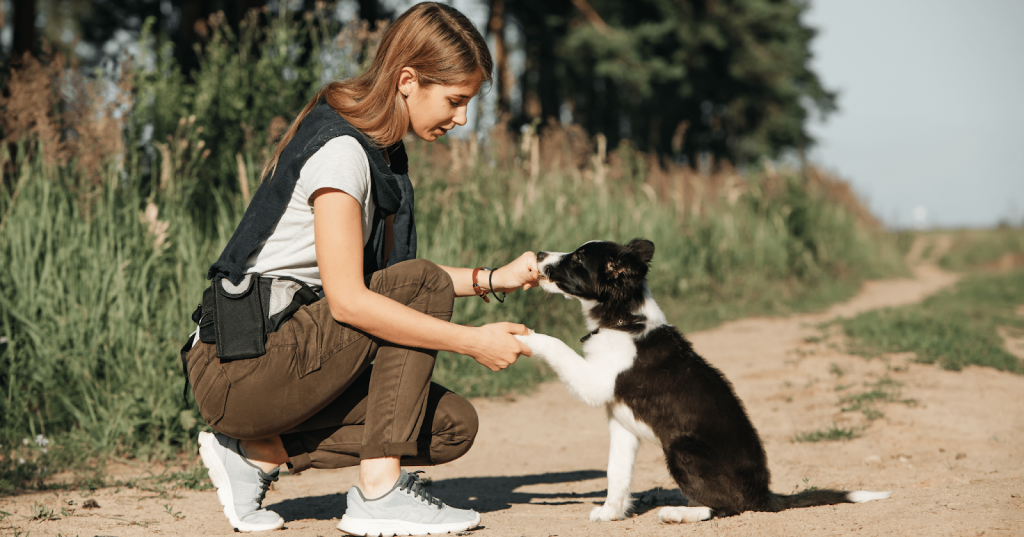
Training is another critical aspect of responsible adoption. Begin implementing basic obedience training right away, as it establishes clear communication between you and your pet. Positive reinforcement techniques, such as treats and praise, work wonders in promoting good behavior and building trust. After all, who wouldn’t want a well-mannered pet? Investing time in training enhances the relationship you share with your pet and ultimately leads to a more enjoyable companionship.
Socialization is just as important. Gradually introduce your new pet to various environments, sounds, and people. This experience is essential to develop their confidence and adaptability. You might be surprised at how quickly they learn to navigate different situations, but it’s important to do this slowly; rushing the process can cause stress or fear.
Lastly, maintain open lines of communication with your family and the adoption agency. Discuss any behavioral issues or concerns early on and seek support from professionals if needed. Remember, adopting a new pet is a journey filled with learning and growth—both for the new addition to your family and for you.
| Category 1 | Category 2 |
|---|---|
| Preparation | Creating a secure space to help pets acclimate effectively. |
| Routine | Establishing consistency aids in reducing anxiety and building trust. |
| Training | Implementing basic training fosters communication and good behavior. |
| Socialization | Gradual exposure helps develop confidence in different surroundings. |
| Communication | Discuss issues and seek professional support when needed. |
By taking these responsible steps, you not only enrich your life but also ensure that your new pet flourishes in their forever home. As you venture through the world of pet ownership, remember that each day is a learning opportunity, paving the way toward a deeper, more fulfilling bond with your pet.
DISCOVER MORE: Click here to learn how to find local pet adoption resources
Integrating Your New Pet into Family Life
After navigating the adoption process and bringing your new pet home, the next crucial step is ensuring a smooth integration into your family dynamics. This stage is where your commitment to responsible adoption truly comes into play, as nurturing the bond between your new furry family member and current household members is essential for building a harmonious environment.
Creating a Safe and Comfortable Space
Upon arrival, it is vital to give your new pet a dedicated safe space within your home. This area should be free of hazards and equipped with essential items such as a bed, food and water bowls, and toys. Ideally, find a quiet room or corner where your pet can feel secure and gradually acclimate to their new surroundings. Establishing a routine is also beneficial—set specific feeding times, walks, and play sessions to cue your pet into daily expectations, which can help reduce anxiety during this transitional period.
Encouraging Positive Interactions
Introducing your new pet to family members should be done gradually and with care. Start with one-on-one introductions, allowing your pet to approach each family member at their own pace. Use positive reinforcement techniques—such as treats and praise—when your pet exhibits behavior that is calm and friendly. This strategy helps build trust and fosters positive associations with family interactions.
It is essential to monitor interactions with young children or other pets to ensure everyone’s safety and comfort. Make it clear to children the importance of being gentle and respectful around the new pet. Educating kids about animal body language can also go a long way; they should learn to recognize signs of stress in their new companion, such as hiding or excessive barking. Regular reminders and supervision can enforce a peaceful coexistence.
Establishing Training Routines
Training is a crucial aspect of responsible pet ownership and goes hand-in-hand with integration. Investing time in training not only instills good behaviors in your new pet but also helps improve the bond shared with your family. Take the time to enroll your pet in basic obedience classes or, alternatively, use resources available through local shelters or online tutorials. Positive reinforcement methods are particularly effective: reward good behavior with treats and affection.
Additionally, socialization is a key element of training for pets, especially for dogs. Exposing your new dog to various environments, people, and other animals while maintaining a calm demeanor will help them adjust more seamlessly to their new life. Some experts suggest starting socialization early and frequently, providing the foundation for a well-behaved adult pet.
Healthcare and Ongoing Support
Caring for a new pet extends beyond daily routines and interaction. Establishing a relationship with a veterinarian is essential for maintaining your pet’s health. Schedule a health check soon after adoption, review vaccination schedules, and discuss any concerns regarding your pet’s behavior. Preventive healthcare can greatly affect your new family member’s life quality and longevity.
Moreover, it can be beneficial to connect with pet support groups or local adoption communities. These networks can provide a wealth of resources and advice on training, socialization, and health care, in addition to offering a platform for sharing experiences with other pet owners. The shared knowledge within these communities can prove invaluable in easing the transition for both your family and your new pet.
DISCOVER MORE: Click here to learn about positive training techniques
Conclusion
Responsible adoption is not merely an obligation; it is a commitment that leads to the well-being and happiness of both the new pet and your family. As we have explored, integrating a new pet into your home involves several essential steps that can foster a thriving relationship. By creating a safe and comfortable space, you provide your new companion with the security they need to adjust to their new environment. Gradual introductions promote trust and understanding among family members and pets alike, setting the stage for positive interactions.
Additionally, actively engaging in training routines and socialization can significantly impact your pet’s behavior and comfort level. It not only encourages good conduct but also strengthens the bond shared between your pet and your family. Don’t overlook the importance of preventive healthcare, as establishing a connection with a veterinarian early on is crucial for your pet’s long-term health and happiness. Regular check-ups and vaccinations will keep your new family member in optimal condition.
Lastly, connecting with local adoption communities can provide invaluable resources and support, sharing insights that make the transition smoother for everyone involved. Through responsible adoption practices, families can ensure that their new pet is not just an addition to the household but a cherished member of the family. As you embark on this rewarding journey, remember that the love and effort you invest will be reciprocated in the joy and companionship that your new pet brings. Embrace this opportunity with open arms, and you’ll discover that the bond formed will enrich your lives in immeasurable ways.