
The Influence of Natural Diet on Pet Health
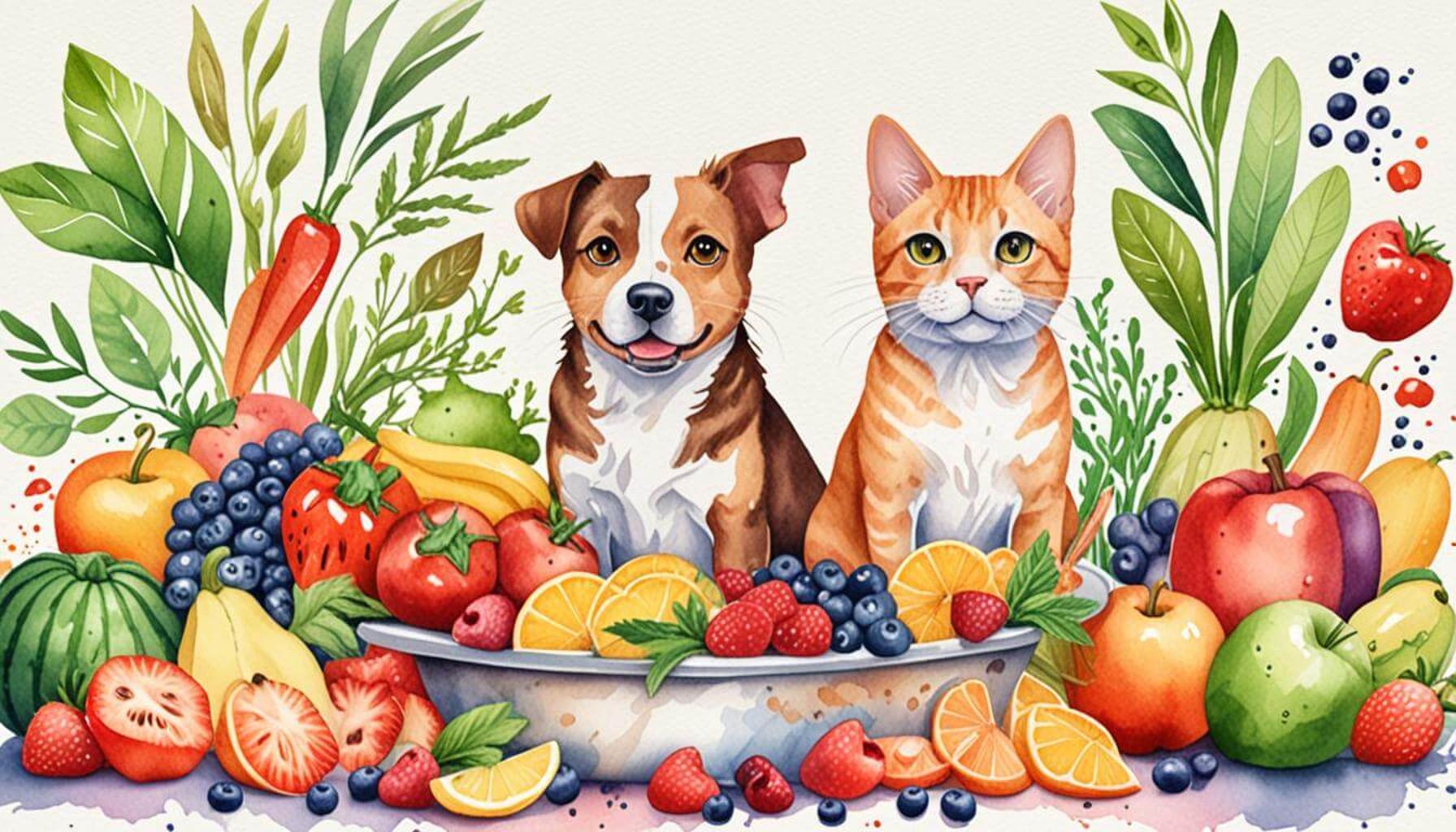
Understanding the Importance of Natural Diets for Pets
As pet ownership continues to rise in the United States, understanding the effect of diet on our furry companions has become crucial. A natural diet is often touted as the cornerstone of optimal health for pets. But what exactly does it entail, and how does it impact their overall health?
- Whole ingredients: A natural diet prioritizes whole, minimally processed foods. This means opting for fresh meats, fruits, and vegetables instead of manufactured kibble or canned foods filled with preservatives. For example, a diet that includes real chicken, sweet potatoes, and green beans can not only be tastier for pets but also more nutritious.
- Balanced nutrition: It focuses on providing the right balance of proteins, fats, and carbohydrates. A dog, for instance, benefits from proteins that support muscle development along with healthy fats that promote energy. Cats, being obligate carnivores, require a diet rich in protein, particularly from animal sources.
- Freshness matters: Fresh vegetables and fruits commonly enhance the nutritional value. Ingredients such as blueberries, carrots, and spinach are not just delicious but also pack a punch with vitamins and antioxidants that support the immune system.
Incorporating these elements can lead to remarkable health benefits such as:
- Improved digestion: A natural diet rich in fiber can aid digestive processes. Ingredients like pumpkin or oats help regulate bowel movements, reducing the prevalence of gastrointestinal issues.
- Healthier skin and coat: Essential fatty acids promote a shiny coat and reduce skin issues. Omega-3 and Omega-6 fatty acids found in fish oil contribute to improved skin health, alleviating conditions such as dryness or irritation.
- Enhanced energy levels: A balanced diet can contribute to increased vitality and playfulness. Pets receiving adequate nutrition are often more active and engaged, leading to healthier lifestyles and decreased risks of obesity-related diseases.
As pet owners seek ways to enrich their pets’ lives, learning about the influence of natural diets on pet health has become more relevant than ever. Surveys indicate that many pet owners are moving away from processed foods to more natural options, interested in ingredients they can pronounce and trust. This exploration encourages better choices in nutrition that may extend not just the lifespan of pets but also enhance their quality of life. For instance, large-scale studies confirm that pets on natural diets enjoy lower incidences of chronic diseases compared with those on traditional diets.
Are you ready to uncover the secrets of a natural diet for your pet? Delving deeper into this topic can help you make informed choices that benefit your furry friend’s overall health, paving the way for a happier, longer life.
DISCOVER MORE: Click here to learn about preventive medicine

The Nutritional Foundations of a Natural Diet
Understanding the influence of natural diets on pet health begins with acknowledging the critical components of nutrition that contribute to a pet’s overall well-being. Just as in humans, the quality of ingredients in our pets’ diets can greatly affect their physical health, behavioral tendencies, and longevity. Each nutrient plays a role, and a deficit or excess can lead to a variety of health issues. Here, we explore these essential nutritional foundations.
Key Nutritional Elements
A natural diet for pets should encompass the following elements:
- High-Quality Proteins: Proteins are crucial for growth, maintenance, and repair of tissues. For dogs, meats like chicken, beef, and lamb are excellent sources. Cats, being strict carnivores, benefit from protein-rich diets primarily derived from animal sources, such as fish or poultry.
- Healthy Fats: Fats are an essential energy source and support healthy skin and coat. Omega-3 and Omega-6 fatty acids, commonly found in fish oil and flaxseed, are vital for maintaining a pet’s health and preventing issues like inflammation or dry skin.
- Carbohydrates with Fiber: While pets do not need carbohydrates in vast quantities, ingredients like sweet potatoes and brown rice provide energy and support healthy digestion. The fiber found in these carbs can facilitate gut health and prevent constipation.
- Vitamins and Minerals: A comprehensive natural diet includes a variety of fruits and vegetables that serve not just as homeopathic remedies but as sources of essential vitamins like A, C, and minerals like calcium and phosphorus. These nutrients are crucial for immune function and bone health.
In a world dominated by processed pet foods, transitioning to a natural diet can seem daunting. However, awareness and education about your pet’s nutritional needs can empower you to make informed decisions. For instance, opting for natural, unprocessed, and recognizable ingredients can lead to significant health improvements in your pet.
The Connection Between Diet and Disease Prevention
Science reinforces the importance of wholesome nutrition in disease prevention. Studies indicate that pets consuming natural diets are often less susceptible to obesity, diabetes, and heart disease. In fact, one study published in the Journal of Animal Science found that pets fed natural, whole food diets exhibited lower levels of inflammation and improved markers for chronic disease.
The shift from an overly processed diet to a natural one is more than just a trend; it reflects a growing understanding of pet welfare. Pet owners are increasingly attuned to the effects of quality nutrition. When considering food options, many choose brands that prioritize transparency in their ingredient sourcing. This means reading labels carefully and choosing food products without fillers, artificial additives, or low-quality ingredients.
In summary, the nutritional foundations of a natural diet play a vital role in influencing pet health. From improved digestion to support for systemic health, the right balance of nutrients can lead to happier, healthier pets. As we delve deeper into the intricacies of natural diets, we uncover not only the benefits but also practical strategies for implementation.
| Advantage | Description |
|---|---|
| Improved Digestive Health | Natural diets rich in whole foods help promote better digestion, reducing issues like bloating and discomfort. |
| Enhanced Immune Function | Incorporating nutrient-dense ingredients can significantly boost your pet’s immune system, helping to ward off illnesses. |
| Better Coat Condition | A natural diet enhances skin hydration and hair luster, leading to a noticeably healthier coat. |
| Weight Management | Natural diets often consist of whole ingredients that help maintain a healthy weight and prevent obesity. |
The shift towards a natural diet can significantly alter your pet’s health trajectory. By prioritizing whole foods, you can turn back the clock on issues like digestive discomfort, providing your furry companion with a chance for a revitalized lifestyle. Enhanced immune function is just another benefit of this dietary choice. A healthy immune system translates to fewer veterinary visits, less illness, and a longer lifespan. Importantly, don’t overlook the aesthetic benefits; a well-nourished pet typically showcases a shiny, vibrant coat, a visual testament to their health. Moreover, a well-balanced natural diet contributes to effective weight management—a concern for many pet owners today.
DISCOVER MORE: Click here for essential tips on a healthy cat diet
Enhancing Pet Longevity through Natural Diet
While the foundational elements of nutrition are crucial, their practical applications in a natural diet can dramatically influence pet health well beyond mere physical conditions. Specifically, adopting a natural diet has been linked to enhanced longevity and vitality in pets. The organic interaction of essential nutrients enables disease resilience and boosts overall energy levels, which can significantly prolong the life span of our furry companions.
The Role of Antioxidants
Another critical component of a natural diet is the inclusion of antioxidants. Found abundantly in fruits and vegetables, antioxidants help combat oxidative stress caused by free radicals, which can result in cellular damage and lead to chronic diseases. Ingredients like blueberries, spinach, and carrots are not just tasty additions to a pet’s bowl; they contribute essential phytochemicals that promote brain health and prevent cognitive decline. One study in the Journal of Veterinary Internal Medicine highlighted that older dogs consuming diets rich in antioxidants experienced a lesser degree of age-related cognitive dysfunction.
Digestive Health and Natural Diet
Moreover, a focus on digestive health through a natural diet is paramount for pets. The presence of natural probiotics, often found in fermented foods such as yogurt or even specific natural dog foods enriched with probiotics, can enhance gut flora. This improvement aids in nutrient absorption and promotes a strong immune system, combating infections and illness. It is noteworthy that a robust gut microbiome is increasingly being linked to better overall health and emotional stability in pets, as evidenced by ongoing research in veterinary science. Probiotics in a pet’s diet can help mitigate issues like diarrhea and allergies, ensuring your companion remains vibrant and active.
Weight Management and Energy Levels
Another undeniable benefit of a natural diet is its role in effective weight management. Pets fed high-quality, unprocessed food tend to maintain healthier body weights compared to those consuming processed diets high in fillers and low-quality ingredients. According to a study published in the American Journal of Veterinary Research, dogs on natural diets were less likely to be overweight or obese, which is crucial given that obesity can lead to a myriad of health risks, including joint issues and diabetes. A balanced natural diet promotes healthy metabolism and sustained energy levels, reflecting in increased playfulness and agility in pets.
Behavioral Insights
The influence of a natural diet also extends into behavioral health. Research indicates that pets may exhibit improved moods and behavioral patterns when consuming diets high in quality ingredients. Nutrients such as Omega-3 fatty acids are recognized for their impact on brain function and emotional health. Some pet owners report a marked reduction in anxious behaviors and aggression after transitioning to a natural diet, highlighting the correlation between well-being and nutritional integrity.
In light of all these advantages, one cannot overlook the importance of consulting with a veterinarian when considering a transition to a natural diet. Understanding your pet’s individual health requirements and restrictions can make a world of difference in creating a customized meal plan. This level of care showcases how a natural diet is not just about food — it’s about making empowered choices that deeply impact the quality of life for our cherished companions.
DISCOVER MORE: Click here for expert tips on a healthy cat diet
Conclusion: The Comprehensive Benefits of a Natural Diet on Pet Health
In a world where pet owners are increasingly attentive to their companions’ health, the significance of a natural diet emerges as a crucial factor that shapes overall well-being. This article has underscored how a natural diet not only enhances physical health but also promotes longevity, energy, and emotional stability in our pets. By incorporating nutrient-rich foods, particularly those abundant in antioxidants, probiotics, and healthy fats, we can provide our pets with the tools they need to thrive.
From improving cognitive function to managing weight and supporting digestive health, the benefits of a natural diet present a holistic approach to pet care. The positive implications of such dietary choices resonate deeply, as research suggests that a well-balanced diet can even mitigate behavioral issues. This connection emphasizes that feeding our pets is not merely a matter of fulfilling nutritional needs; it’s an opportunity to enrich their lives significantly.
As pet owners, it is imperative to navigate this journey thoughtfully, ideally in consultation with a veterinarian who can tailor recommendations based on individual health needs. Transitioning to a natural diet offers a proactive means to ensure our furry friends enjoy vibrant, active lives filled with joy. Ultimately, embracing the philosophy of natural nutrition can create a profound impact that extends far beyond the food bowl, fostering a deeper bond between us and our pets as we contribute to their health and happiness.